
Getting started with home organization can feel overwhelming, but breaking it down into simple steps makes it manageable. The key to effective home organization is creating a system that suits your lifestyle and maintaining it consistently.
Understanding which areas to prioritize and choosing practical storage solutions can save time and reduce clutter. This guide will offer clear, actionable tips to help anyone build an organized living space with minimal stress.
Understanding Home Organization
Organizing a home involves more than just tidying up. It requires practical solutions that improve daily routines, reduce stress, and create functional spaces tailored to specific needs.
Benefits of an Organized Home
An organized home saves time by making it easier to find items quickly. This reduces frustration during busy mornings or before important events.
It also creates a safer environment by minimizing clutter, which helps prevent trips and falls. Clean, orderly spaces support better mental health by lowering anxiety and promoting focus.
Financial benefits arise when organized storage prevents duplicate purchases. Additionally, maintaining order reduces cleaning time and increases overall home efficiency.
Common Home Organization Challenges
Many people struggle with deciding what to keep or discard, often holding onto items out of guilt or uncertainty. Limited storage space can also hinder effective organization.
Daily habits such as clutter accumulation and inconsistent tidying contribute to the ongoing mess. Lack of a tailored system that fits individual lifestyles often results in disorganization.
Emotional attachment to belongings and time constraints also limit progress. Identifying these hurdles is the first step toward creating lasting order.
Fundamental Organization Principles
Start by categorizing items into specific groups such as clothing, documents, and kitchenware. Use the “four-box method”—Keep, Donate, Trash, Relocate—to sort possessions efficiently.
Clear labeling and uniform containers simplify identification and access. Organize items based on frequency of use; keep frequently used objects within easy reach.
Adopting consistent routines, like nightly tidying, helps maintain order. Lastly, design spaces that align with daily activities to optimize functionality.
Essential Tools and Supplies
Effective home organization relies on practical storage options, clear labeling methods, and a set of decluttering tools. Selecting the right supplies helps maintain order and simplifies daily routines.
Must-Have Storage Solutions
Storage bins in various sizes are essential for grouping similar items. Clear plastic containers allow quick visibility of contents without opening them, saving time. Stackable bins optimize vertical space in closets and shelves.
Drawer dividers help keep small items like office supplies or utensils separated. Hanging organizers maximize unused door or wall space and are ideal for shoes, accessories, or cleaning supplies.
Shelving units can turn underutilized corners into functional storage areas. Choose adjustable shelves for flexibility as storage needs change.
Labeling Systems for Beginners
Labels increase efficiency by making items easy to find. Start with a label maker or printable sticker sheets for a neat, uniform appearance. Handwritten labels on masking tape work for temporary or quick fixes.
Use clear, concise wording on labels to avoid confusion, such as “Winter Scarves” or “Craft Supplies.” Applying labels to both containers and shelves creates a double layer of guidance.
Color-coded stickers can help differentiate categories or priority levels, simplifying identification at a glance.
Decluttering Supplies Checklist
A well-stocked decluttering kit includes sturdy trash bags for items to discard. Keep large boxes ready for donations or items to relocate.
A marker and notebook help track progress and note items for disposal or sale. Cleaning wipes or sprays are useful for sanitizing surfaces after clearing the space.
Gloves protect hands during heavy or dusty cleaning tasks. Having a tape measure ensures new storage fits correctly into available spaces.
Step-by-Step Decluttering Process
Effective decluttering requires a clear approach, from planning your actions to deciding the fate of items. Setting priorities and sorting belongings are essential parts of making the process manageable and productive.
Planning Your Organization Strategy
Start by selecting one area to focus on, such as a closet or a kitchen drawer. Establish a timeline to avoid feeling overwhelmed, allocating specific days or times for each task.
Create a checklist of zones or categories to cover, such as clothes, books, or kitchenware. This helps track progress and keeps work structured. Identify what storage solutions you might need, like bins or shelves, to support future organization.
Consider your daily habits and how the space is used. Prioritize frequently accessed items to improve accessibility. This planning phase prevents random sorting and increases long-term efficiency.
Sorting and Categorizing Belongings
Gather all items from the chosen area and group them by type or function. Use boxes or bags labeled “Keep,” “Donate,” “Sell,” and “Trash.”
Handle each item only once when possible. Ask questions like: Have I used this in the last year? Does it have sentimental or practical value? Be honest to avoid unnecessary clutter retention.
Smaller subcategories improve clarity, for example, separating winter clothes from summer clothes or separating paperwork by bills and receipts. This method speeds up the process and simplifies decision-making.
Donating, Selling, and Discarding Items
Items in good condition but no longer needed can be donated to local charities or shelters. Check donation guidelines to ensure acceptance.
Selling valuable things online or through garage sales can offset the costs of new organizational tools. Use clear pictures and detailed descriptions for faster sales.
Discard broken or unusable items responsibly. Recycle plastics, metals, and electronics where possible. Arrange pickup or drop-off for bulk trash as needed to keep your space clean.
Organizing Different Rooms
Every room has unique storage needs that affect daily function. An effective organization focuses on accessible storage, reducing clutter, and creating designated spaces for essential items.
Kitchen Organization Basics
Maximize counter space by storing seldom-used appliances in cabinets. Categorize pantry items by type and expiration date, grouping snacks, baking supplies, and canned goods separately. Use clear containers for dry goods to maintain visibility and freshness.
Arrange utensils and cookware near their point of use. For example, keep pots and pans close to the stove, and utensils in a drawer next to the prep area. Use drawer dividers and shelf risers to optimize vertical space.
Keep frequently used items at eye level and heavier items low to avoid strain. Label shelves or bins to maintain order and streamline meal prep.
Bedroom and Closet Setup
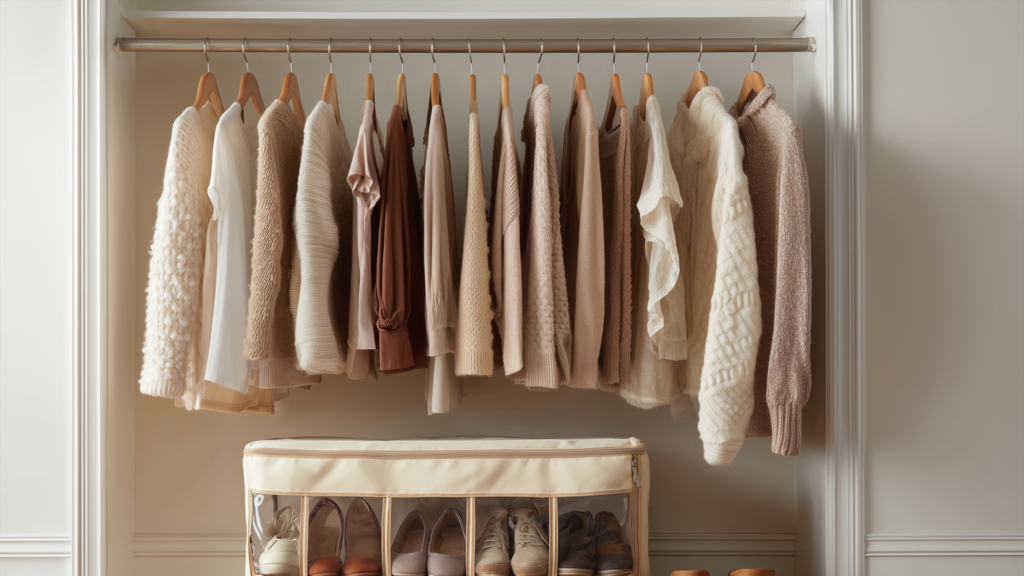
Prioritize easy access to daily wear by organizing clothes by type and season. Use uniform hangers to save space and improve visual appeal. Store off-season clothes in labeled bins or vacuum-sealed bags under the bed or on higher shelves.
In the closet, use shelves for folded items like sweaters and jeans, and add hooks for accessories such as belts or scarves. Consider drawer organizers for smaller items like socks and underwear.
Maintain a clutter-free surface on dressers. Limit decor and keep only essential items like jewelry or watches in small trays or boxes.
Bathroom Storage Strategies
Group toiletries by function, such as skincare, hair care, and dental items, and store them in clear bins or trays inside cabinets. Use vertical space with wall-mounted shelves for towels and frequently used products.
Install hooks or racks for towels to keep them dry and off counters. Use drawer organizers to separate makeup and grooming tools.
Place a small basket on the countertop for daily essentials. Remove expired products regularly to maintain cleanliness and avoid overcrowding.
Living Spaces and Entryways
Maximizing usable space and reducing clutter are essential in these areas. Prioritizing functional storage helps maintain a clean and welcoming environment.
Living Room Storage Tips
Use multifunctional furniture like ottomans with hidden compartments to store items such as blankets or magazines. Floating shelves can add vertical storage without taking up floor space.
Group similar items in labeled baskets or boxes to keep surfaces clear. Avoid overcrowding by regularly removing unneeded items. Position storage near seating areas to keep essentials within reach but out of sight.
Consider furniture with built-in storage, like coffee tables with drawers. Clear pathways improve flow and make the room feel larger. Limit decorative objects to a few key pieces to reduce visual clutter.
Efficient Entryway Solutions
Entryways benefit from compact and organized storage to handle daily essentials. Install wall hooks or a pegboard for coats, bags, and keys, keeping these items off the floor.
Use a bench with shoe storage underneath to provide a seating area and reduce shoe clutter. A small tray or bowl on a console table can catch loose change and mail.
Label storage bins for hats, gloves, and scarves, making them easy to find. Mirrors open up the space visually and help with quick appearance checks before leaving the house.
Paperwork and Digital Organization
An effective organization requires a system for managing both physical documents and digital files. Prioritizing easy retrieval and minimizing clutter are essential steps in maintaining order over time.
Paper Document Management
Start by sorting paperwork into clear categories like bills, receipts, and legal documents. Use labeled folders or filing cabinets to separate these groups. Keep important documents such as tax records and insurance papers in a fireproof, waterproof safe.
Create a routine to regularly review and discard outdated papers. Scan crucial documents and store digital copies as a backup. Use tools like binder clips or expandable folders to avoid loose papers piling up. Limit paper accumulation by opting for electronic statements and bills when possible.
Digital File Organization
Establish a consistent folder structure that mirrors your paper categories. Use descriptive folder and file names, avoiding vague titles like “Document1.” Organize files by year or project to simplify search and retrieval.
Regularly back up files using cloud storage or external drives. Delete duplicates and unnecessary files monthly to save space. Employ software with tagging or search functions to speed up locating specific documents. Consider tools like password managers and encrypted storage for sensitive information.
Creating Sustainable Habits
Sustainability in home organization depends on regular upkeep and consistent routines. Establishing simple systems and dedicating brief, scheduled periods to organization keeps clutter in check over time.
Maintaining Organizational Systems
Organizational systems only work if they are maintained regularly. Set aside 10-15 minutes daily to return items to their designated spots. This prevents buildup and makes clutter easier to manage.
Labeling storage containers and shelves helps reinforce where things belong, reducing decision fatigue. Adjust systems periodically to accommodate changes in lifestyle or possessions.
Use checklists or reminders to monitor areas prone to clutter, such as mail stations or entryways. This small effort maintains order without major time investments.
Daily and Weekly Routines
Incorporate simple daily habits like tidying counters, sorting mail immediately, and emptying pockets every evening. These small acts prevent mess from accumulating.
Weekly, dedicate 30 minutes to deeper tasks such as purging unused items or reorganizing frequently used spaces. Consistent timing helps these chores become automatic.
Create a routine calendar with specific tasks for each day or week, balancing workload. This ensures continuous order without overwhelming any single day.
Troubleshooting and Adjustments
Effective home organization requires ongoing evaluation and flexibility. Identifying what is not working and making necessary changes can improve efficiency and maintain order.
Reassessing Your Organization Methods
Set aside time regularly to review your organization’s systems. Ask yourself which areas feel cluttered or inefficient. For example, if your kitchen drawers are still messy, the current method may not suit your daily routines.
Consider these signs to reassess:
- Difficulty locating items quickly
- Frequently adding piles of clutter in certain spots
- Storage solutions that are too small or too large for your belongings
Use a simple checklist to track these issues. Adjust storage types or locations based on your findings. Sometimes swapping out containers or rearranging shelves can make a big difference. Reassessing means actively seeking what hinders smooth use and addressing those problems directly.
Adapting to Changing Needs
Your home and lifestyle evolve, so should your organization. Seasonal changes, new family members, or shifts in hobbies affect what you need to store.
Be prepared to modify:
- The quantity and type of storage containers
- Room layouts to accommodate new items or free up space
- Labeling systems for quick identification
For instance, after a child starts school, new spaces might be required for supplies or backpacks. Periodic adjustment prevents clutter from building up unnoticed.
Create a habit of reviewing your setup every few months. This helps catch small problems before they become overwhelming. Flexibility is crucial for maintaining a functional, organized home over time.
Resources for Continued Learning
For those looking to deepen their home organization skills, several resources are available. Books by experts like Marie Kondo offer clear methods that focus on decluttering and efficient storage.
Online platforms such as YouTube and Pinterest provide visual guides and ideas for various spaces. These can inspire different approaches adapted to your style and needs.
Recommended books:
| Title | Author | Focus |
| The Life-Changing Magic of Tidying Up | Marie Kondo | Minimalism, decluttering |
| Organizing from the Inside Out | Julie Morgenstern | Systems and habits |
Podcasts and blogs are ideal for ongoing tips and motivation. Regular updates help you maintain good habits and discover practical solutions.
Popular blogs and podcasts:
- Apartment Therapy (blog)
- The ClutterBug Podcast
- Organize 365 Podcast
Engaging with communities on social media or forums can also provide support. Sharing challenges and successes encourages consistent progress.