
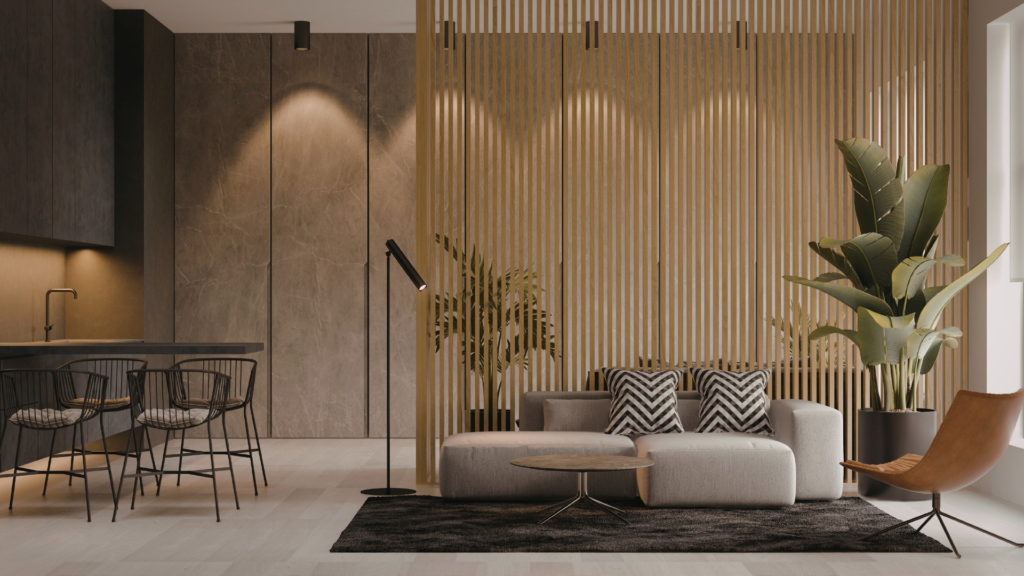
Creating functional living spaces means designing areas that maximize usability without sacrificing comfort. It involves thoughtful layout planning, selecting multipurpose furniture, and optimizing storage to meet daily needs efficiently.
Balancing aesthetics with practicality ensures your home feels inviting while staying organized. Small adjustments like defining zones for different activities can improve flow and make spaces easier to live in.
By focusing on how you use each room, you can transform cluttered or awkward areas into purposeful, enjoyable environments. This approach helps you get the most out of your living space, no matter its size.
Understanding Functional Living Spaces
Creating a functional living space involves clear planning and purposeful design. It requires understanding what makes a space practical and comfortable, while aligning with the daily habits and needs of those who use it.
Defining Functionality in Interior Design
Functionality in interior design centers on how well a space serves its intended purpose. A functional room is easy to navigate, supports daily activities, and reduces unnecessary clutter.
For example, a kitchen designed for cooking will have appliances and counter space positioned to streamline food preparation. Seating arrangements in a living room should encourage conversation or relaxation without overcrowding. Functionality also involves durable materials and appropriate lighting tailored to each area’s use.
Key Principles of Efficient Space Use
Efficient space use includes maximizing storage, maintaining clear pathways, and choosing adaptable furniture. Prioritize vertical storage and multi-functional pieces like fold-out tables or sofa beds to conserve floor space.
Use zoning techniques, such as rugs or lighting, to visually separate areas without walls. Avoid overcrowding by balancing furniture size with room dimensions. This prevents obstruction and promotes ease of movement.
| Principle | Description | Example |
| Maximize Storage | Use vertical and hidden spaces | Shelving above doors |
| Maintain Clear Paths | Keep walkways free of obstacles | Minimal furniture in corridors |
| Adaptable Furniture | Furniture with multiple uses | Ottoman with internal storage |
Assessing Your Household’s Needs
Functionality must match your household’s routine and lifestyle. Consider the number of occupants, daily activities, and special requirements like working from home or accommodating children.
Start by listing key activities and identifying how much space and storage each needs. For families, areas for play and study are essential, while singles may prioritize workspace or entertaining zones. Assess current frustrations in your living areas to target improvements effectively.
Planning for Space Efficiency
Efficient use of space requires deliberate organization and smart design choices. It involves defining clear functional areas, ensuring ease of movement, and selecting furnishings that support both aesthetics and usability.
Space Zoning and Layout Optimization
Divide the area into distinct zones based on activities, such as work, rest, and socializing. Use furniture placement or area rugs to visually separate these zones without overcrowding. Compact, multi-purpose pieces like storage ottomans or foldable tables can maximize usable space.
In smaller rooms, consider open layouts that avoid barriers. Arrange frequently used items near their points of use to reduce unnecessary movement. Maintain clear sightlines to improve the perception of openness and make the space feel larger.
Prioritizing Accessibility and Flow
Ensure pathways are at least 30-36 inches wide to allow easy movement and avoid bottlenecks. Doors and corridors should open smoothly without blocking key areas. Think about natural traffic patterns when positioning furniture to minimize interruptions.
Accessibility also means that storage and frequently accessed items are within comfortable reach. Incorporate vertical storage solutions to keep floors clear. This creates a safer environment while maintaining a seamless flow between zones.
Balancing Style With Purpose
Choose materials and designs that serve both functional needs and desired aesthetics. For example, a sleek bookshelf can organize items without overwhelming the room’s visual balance. Avoid bulky furniture that sacrifices circulation for looks alone.
Incorporate color schemes and finishes that complement practical elements like lighting and surface durability. Prioritize easy-to-clean surfaces in high-traffic areas to maintain a polished appearance. This approach keeps the space attractive without compromising usability.
Choosing Multi-Functional Furniture
Selecting furniture that serves more than one purpose enhances the usability of a living space without overcrowding it. Key considerations include how pieces can transform, expand, or fit logically to maximize function while maintaining comfort and style.
Space-Saving Sofa and Bed Solutions
Sofa beds and futons combine seating and sleeping areas, saving room in small apartments or guest rooms. Look for models with easy mechanisms that convert quickly and offer a supportive mattress.
Sectional sofas with pull-out beds add seating flexibility while accommodating overnight guests. Sleeper sofas with storage compartments help keep bedding concealed, reducing clutter.
Consider styles that suit your daily use; a bed-focused sofa might prioritize comfort over aesthetics, whereas a sofa-focused design excels at lounging. Choose durable materials to withstand frequent adjustments and regular use.
Expandable and Modular Furniture Options
Expandable tables and modular seating adjust to your needs, ideal for dynamic living areas. Dining tables with foldable leaves increase surface area during meals but shrink to save space afterward.
Modular sofas allow rearranging sections to fit different activities—lounging, socializing, or working. Some modules include built-in storage or charging ports, adding utility.
Evaluate the ease of reconfiguration; lightweight pieces or those on wheels simplify moving parts. Focus on quality connectors to ensure stability when assembled or expanded.
Furniture Placement Strategies
Placement impacts how well multi-functional furniture performs. Position a sofa bed near outlets and away from high-traffic zones to balance convenience with space efficiency.
Using corners or walls to anchor modular units helps define zones without blocking movement. Avoid placing expandable tables where expansion could obstruct paths or doorways.
Think vertically; elevated beds or loft units free floor space below for desks or storage. Consistent circulation paths maintain room flow and prevent furniture from becoming obstacles.
Smart Storage Solutions
Maximizing storage in living spaces involves combining design with practical function. Effective storage addresses everyday needs while maintaining a clean, organized environment.
Built-In Storage Innovations
Built-in storage units optimize space by integrating shelves, cabinets, and drawers directly into walls or furniture. Custom units can be designed for specific rooms, such as under-bed drawers in bedrooms or bench seating with hidden compartments in entryways.
Materials like plywood or MDF allow smooth finishes that blend with existing decor. Built-ins reduce clutter by providing designated spots for items without relying on standalone furniture, which can crowd smaller rooms.
Consider modular designs with adjustable shelves to accommodate changing storage needs. Lighting inside cabinets or shelves improves visibility and accessibility, especially in tight spaces.
Vertical and Hidden Storage Ideas
Vertical storage capitalizes on unused wall space by installing tall shelves, pegboards, or hooks. This frees floor area and keeps frequently used items within easy reach.
Hidden storage options include furniture with secret compartments, such as ottomans with lift-up tops or coffee tables with concealed drawers. These solutions keep items out of sight, maintaining a tidy appearance.
Closet rods installed at multiple heights and pull-out pantry shelves maximize vertical space efficiently. Use magnetic strips or command hooks on walls to hang tools or kitchen utensils vertically.
Decluttering for Functionality
Decluttering ensures storage remains effective by removing unnecessary items. Regularly sorting possessions highlights what needs to stay nearby and what can be stored elsewhere or discarded.
Implement the “one-in, one-out” rule to prevent accumulation. Use labeled bins or baskets to categorize belongings, which streamlines retrieval and return.
Maintain clear surfaces and pathways by storing non-essential items properly. This habit supports a functional space that feels open and organized.
Optimizing Lighting and Ambiance
Effective lighting enhances functionality and mood in any living space. Balancing natural and artificial sources improves comfort while highlighting architectural features and décor.
Maximizing Natural Light
Natural light brightens interiors and reduces reliance on artificial lighting during the day. Place mirrors opposite windows to reflect light deeper into rooms. Use sheer curtains or blinds that allow light passage while maintaining privacy.
Keep window areas clear of bulky furniture. In smaller spaces, opt for light-colored paint or finishes on walls and ceilings to bounce sunlight. Skylights and solar tubes are options to introduce daylight into darker areas lacking direct window access.
Layered Lighting Techniques
Creating layers of light ensures versatility and well-distributed illumination. Combine ambient, task, and accent lighting for balanced brightness tailored to activities.
- Ambient lighting: Overhead fixtures and recessed lights provide general illumination.
- Task lighting: Desk lamps, under-cabinet lights, and reading lights support specific functions.
- Accent lighting: Spotlights, wall sconces, and LED strips highlight focal points or artwork.
Dimmer switches add control to adjust light intensity according to time of day or mood, improving energy efficiency and comfort.
Selecting Fixtures for Flexibility
Fixtures should suit room size, function, and style while allowing adaptability. Adjustable or movable fixtures offer control over light direction and distribution.
Choose fixtures with multiple settings or bulbs for diverse needs. For example, track lighting works well in kitchens or galleries where focus shifts often. Pendant lights can be raised or lowered depending on task requirements.
Materials and finishes influence light quality. Matte surfaces diffuse light gently, while polished metals reflect it sharply. Selecting energy-efficient bulbs, such as LEDs, balances performance with cost and sustainability.
Incorporating Technology for Functionality
Technology can streamline daily tasks and enhance how people interact with their living spaces. Thoughtful integration focuses on convenience, energy efficiency, and ease of use.
Smart Home Integration
Smart home technology enables control over lighting, climate, security, and entertainment systems from a single interface, often via smartphones or voice commands. Prioritize devices that support common platforms like Alexa, Google Assistant, or Apple HomeKit for better compatibility.
Automation routines add functionality by adjusting environments based on time, occupancy, or weather. For example, smart thermostats learn schedules and optimize heating or cooling to reduce energy consumption.
Security features include smart locks, cameras, and sensors that offer remote monitoring and alerts. These devices improve safety while allowing flexible access for family or service providers.
Efficient Appliance Selection
Choosing appliances with Energy Star certification helps reduce electricity and water usage without sacrificing performance. Look for models with smart features that track usage, send maintenance alerts, or allow remote control.
Consider compact, multi-functional appliances to save space and increase utility. For instance, combination washer-dryer units or ovens with integrated microwaves can declutter kitchen and laundry areas.
Prioritize appliances with intuitive interfaces and easy maintenance to ensure they remain practical over time. Energy-efficient refrigeration, induction cooktops, and quiet dishwashers are good investments for functional homes.
Personalizing Functional Spaces
Creating living spaces that truly work requires thoughtful adjustments for changing needs and a clear expression of individual style. This involves making practical updates that fit daily routines and integrating design elements reflecting personal preferences.
Adapting Spaces to Lifestyle Changes
Functional living spaces must evolve with shifts in work, family, and leisure activities. For example, converting a guest room into a home office can improve productivity without sacrificing comfort. Consider modular furniture that can be rearranged as needs change.
Storage solutions should be flexible to accommodate new hobbies or additional family members. Investing in multi-purpose furniture like sofa beds or expandable tables helps maximize space without clutter.
Tracking patterns like work-from-home days or children’s playtime helps identify which areas require adjustment. Maintaining accessibility and clear pathways ensures the space remains practical and safe.
Incorporating Personal Style Elements
Integrating personal style enhances comfort and connection to the space while maintaining functionality. Use color palettes that reflect mood preferences and add textiles such as rugs or cushions that combine comfort with visual appeal.
Display functional items as decor: choose stylish storage baskets or shelves that double as design features. Artworks or plants personalize the space and support a relaxing atmosphere without hindering usability.
Balance is key. Select statement pieces that fit the room’s purpose to avoid overcrowding. Prioritize durability and ease of maintenance alongside aesthetics to keep the space inviting and practical.
Sustaining Functional Living Areas
Maintaining functionality requires routine care and periodic reassessment. Attention to daily upkeep, paired with flexibility in design adjustments, can keep spaces practical and comfortable.
Regular Maintenance Tips
Consistent cleaning prevents clutter and wear, supporting both aesthetics and usability. Schedule weekly tidying to clear surfaces and organize items, reducing distractions and enhancing flow.
Inspect furniture and fixtures monthly. Tighten loose screws, lubricate hinges, and repair minor damages to extend their lifespan. Prioritize areas with high use, such as kitchen counters and seating.
Use storage solutions like labeled bins or drawer organizers to maintain order. Rotate seasonal items to avoid overcrowding. Regularly update lighting by checking bulbs and cleaning fixtures for optimal brightness.
Evaluating and Adjusting Over Time
Evaluate spaces every few months to determine if current layouts meet evolving needs. Observe traffic patterns and usage frequency to identify underused or congested areas.
Solicit feedback from household members to uncover pain points. Consider adjustments like rearranging furniture or adding multifunctional pieces to improve flow.
Implement small changes incrementally. Replace bulky furniture with compact alternatives or introduce modular units. Track improvements and be prepared to refine the setup periodically for sustained practicality.