
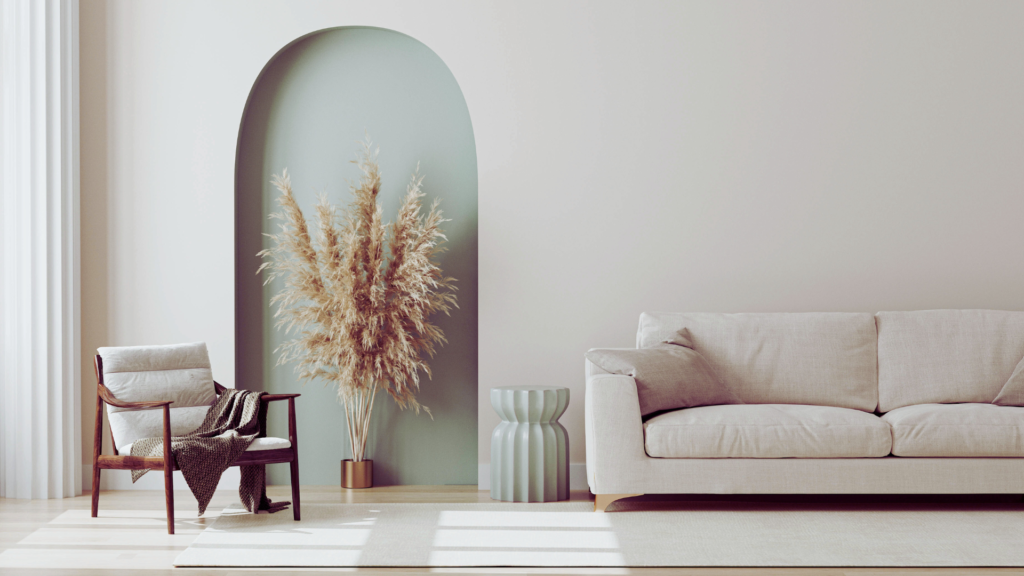
Texture plays a critical role in home interiors, as it transforms a space beyond mere aesthetics. Incorporating a variety of textures adds depth and dimension, creating a more inviting and dynamic environment. From smooth surfaces to rough materials, the right textures can evoke specific emotions and enhance the overall ambiance of a room.
Interior design focuses not only on color and layout but also on the tactile experience a space offers. Different textures can break the monotony of uniform surfaces and draw attention to key design elements. By thoughtfully integrating textiles, finishes, and materials, designers can achieve a harmonious balance that elevates the home’s appeal.
Understanding the significance of texture allows homeowners to create spaces that reflect their personal style and comfort. It invites creativity and ensures that interior design is not just visually pleasing but also engaging at a sensory level. The impact of texture can be the difference between a flat design and a vibrant, livable space.
Fundamentals of Texture in Interior Design
Texture plays a crucial role in interior design, contributing to visual interest and enhancing the overall atmosphere of a space. It shapes how a room feels, both physically and emotionally. Understanding texture involves exploring its definitions as well as its integration with design elements and principles.
Defining Texture and Its Role
Texture refers to the surface quality of materials, which can be perceived visually or through touch. It is divided into two main categories: tactile texture and visual texture. Tactile texture offers actual physical sensations, while visual texture creates illusion through design and color.
In interior design, texture adds depth and dimension, transforming flat surfaces into engaging experiences. For example, incorporating a mixture of smooth and rough textures, like a soft velvet sofa paired with a reclaimed wood table, creates dynamic contrast and balance. This interplay encourages exploration of the space and enhances the overall aesthetic.
Elements and Principles of Design
Texture interacts with key design elements such as color, form, and space. It significantly affects the perception of harmony and unity in a room. By thoughtfully selecting textures, designers can achieve a balance between various components.
For instance, when designing a modern living room, the use of a soft area rug can soften hard-surfaced floors, introducing warmth. Techniques like layering different textures can enhance visual interest. Designers often use contrast strategically, ensuring smoother surfaces appear alongside rough ones to create a cohesive and inviting environment. This attention to texture not only elevates the interior design but also influences the mood and functionality of a space.
Incorporating Textures: A How-To Guide
Texture plays a crucial role in creating a balanced and inviting home interior. By thoughtfully combining various materials, layering, and selecting the right textiles and decor with the help of a full service interior design studio, a homeowner can enhance the aesthetic appeal and comfort of any space.
Balancing Different Textures
Achieving a harmonious balance between different textures is essential. She can combine smooth surfaces, such as sleek leather or satin, with softer materials like velvet or woven textiles. This contrast creates visual interest and depth.
It is important to consider the scale and proportion of the textures as well. For example, a large, plush rug can anchor a room, while slender, sleek furniture can complement it effectively. Aim for variety while maintaining cohesiveness.
A good guideline is to use one dominant texture, like a rich velvet sofa, and complement it with contrasting finishes, such as wooden coffee tables or metallic accents. This approach fosters a layered aesthetic without overwhelming the space.
Layering Textures for Depth
Layering textures adds complexity and warmth to an interior. She might start by layering textiles-such as a cotton throw over a velvet couch-creating a tactile experience for the viewer.
Incorporating different materials helps in achieving a well-rounded look. For instance, pairing a rattan chair with a soft, patterned rug can create a comforting environment. Adding natural elements like plants or woven baskets can also enhance this effect.
Attention to scale is necessary when layering. Using larger items, like oversized pillows or a chunky knit blanket, alongside finer textures can achieve balance. This technique sets a cozy, inviting tone in any space.
Selecting Materials and Fabrics
Choosing the right materials and fabrics can significantly impact the overall effect of the interior. Natural materials, such as wood and cotton, often create a warm and inviting atmosphere.
Leather and velvet bring luxury and sophistication. For example, a leather armchair combined with cotton cushions offers a blend of comfort and elegance. It is also important to consider durability and maintenance when selecting materials, especially for high-traffic areas.
For decor items, mixed materials can enhance visual richness. A wooden vase with a satin ribbon or metal and glass accents can create an interesting focal point without overwhelming the design.
Texture in Furniture and Decor
Furniture selection should emphasize texture to enrich the interior space. Textured furniture, like a tufted velvet sofa or bespoke rustic solid-wood dining tables can capture the attention of people while adding character, much like handwoven rugs introduce depth and ceramic vases bring artisanal charm.
This can be further enhanced with decor items. For example, using woven baskets for storage adds warmth and a crafty appeal. Layering decorative pillows of various textures can soften a couch and provide comfort.
Consider also integrating textured wall art, such as canvas with raised patterns. This addition can draw the eyes and create an engaging backdrop in any room. Prioritizing texture in furniture and decor fosters a more welcoming and personalized environment.
Visual and Tactile Textures
Texture plays a crucial role in defining the ambiance of home interiors. Both visual and tactile textures contribute significantly to a space’s sensory experience and aesthetic appeal, influencing how the elements interact with light and with one another.
The Interplay of Light and Texture
Light interacts with various textures in intricate ways, affecting how surfaces are perceived. For instance, smooth textures reflect light, creating a polished and airy environment, while rough textures absorb it, adding depth and warmth. This contrast in visual weight can enhance a space’s character; a room with exposed brick or reclaimed wood engages the eye and offers a cozy, rustic feel. Incorporating bespoke lighting into such settings can further accentuate these textures, allowing for a tailored illumination that highlights architectural details and enhances ambiance.
By strategically placing different textures, one can manipulate light to create distinct moods. For example, using soft textures like textiles can soften harsh lighting, while hard textures such as stone or brick can enhance natural light’s essence. Similarly, a well-placed pendant light over a textured wall can create striking shadows, while recessed lighting can subtly highlight intricate wood grain. This interplay invites a dynamic and lively atmosphere, making lighting design an integral part of spatial storytelling.
Natural vs. Manufactured Textures
Natural textures, like stone and reclaimed wood, bring organic beauty and a sense of sustainability to interiors. These elements carry unique characteristics that often tell a story and connect occupants to nature. Their irregularities promote a cozy and inviting environment.
On the other hand, manufactured textures offer consistency and can be tailored to specific design needs. Items such as polished concrete or engineered wood provide modern aesthetics with precise control over form. The combination of both types can create a balanced approach, with natural elements serving as focal points alongside sleek, manufactured surfaces.
Adding Character Through Textures
Textures are indispensable for adding character and dimension to home interiors. Integrating soft and hard textures creates a compelling contrast that enhances visual interest. For instance, pairing a plush sofa with a rugged stone fireplace introduces a dialogue between comfort and solidity.
Incorporating diverse textures can transform a dull space by introducing warmth and complexity. For example, layering textiles like throws and cushions over hard surfaces can soften a room and make it more inviting. By mixing various elements like exposed brick with smooth countertops, homeowners can achieve a rich sensory experience that encourages interaction and enhances overall enjoyment of the space.
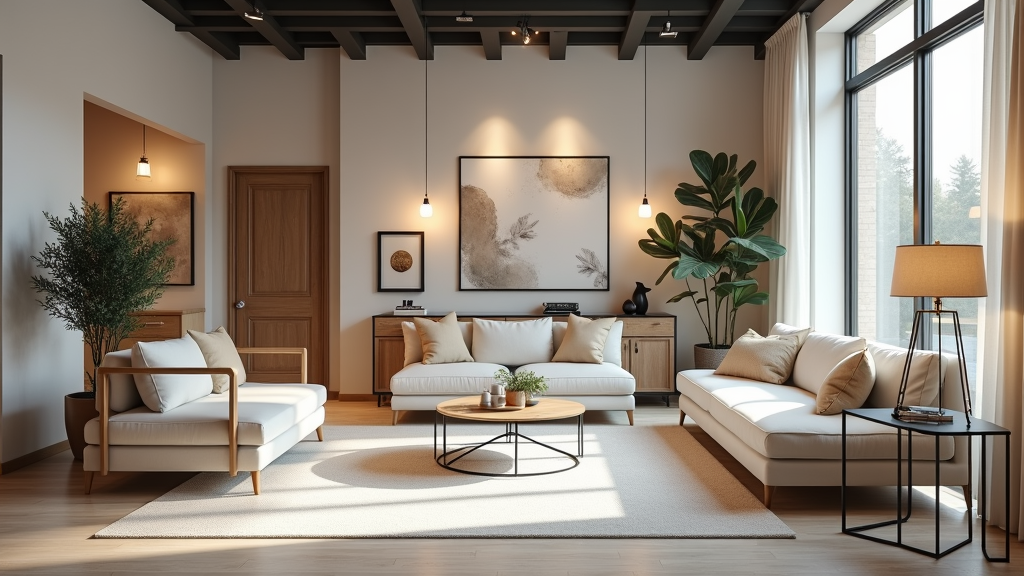
Advanced Texture Techniques for Aesthetic and Function
Incorporating advanced texture techniques can significantly enhance both the visual appeal and functionality of home interiors. By carefully selecting textures that complement color schemes and architectural features, the overall atmosphere can be transformed into a refined space.
Texture and Color: Enhancing Aesthetics
Texture plays a pivotal role in achieving visual depth and interest. It can influence how colors are perceived and can be used to create focal points. For example, a glossy surface can reflect light and enhance a color’s vibrancy, while a matte finish offers a more subdued look.
Color palettes can be enriched by mixing textures. A soft area rug in a warm hue paired with a structured sofa in a sophisticated fabric creates a contrast that invites touch. Incorporating analogous color schemes with varying textures deepens the aesthetic experience, making spaces feel more inviting and cozy.
Functional Textures in Design
Functional textures contribute to both the usability and aesthetic appeal of a room. Textured wall designs can reduce the need for excessive decor while adding interest. Materials like brick or textured paint can enhance acoustics, making spaces feel more intimate.
Textures can also impact formality in design. Solid finishes portray stability, while metallic accents introduce a sophisticated touch. Moreover, incorporating crown molding with a unique finish can elevate ceilings, enhancing perceived height and elegance in a room.
Texture in Architectural Elements
Architectural elements serve as crucial components for introducing texture into home design. Incorporating varied surfaces in structural features adds richness. For instance, combining smooth walls with rough, exposed beams creates striking visual contrast.
Textures in doors and windows can also define a room’s character. Glossy finishes on modern designs contrast beautifully with traditional wood-grain textures. The thoughtful integration of texture elevates spaces by creating distinctive visual elements that serve both aesthetic and functional purposes.