
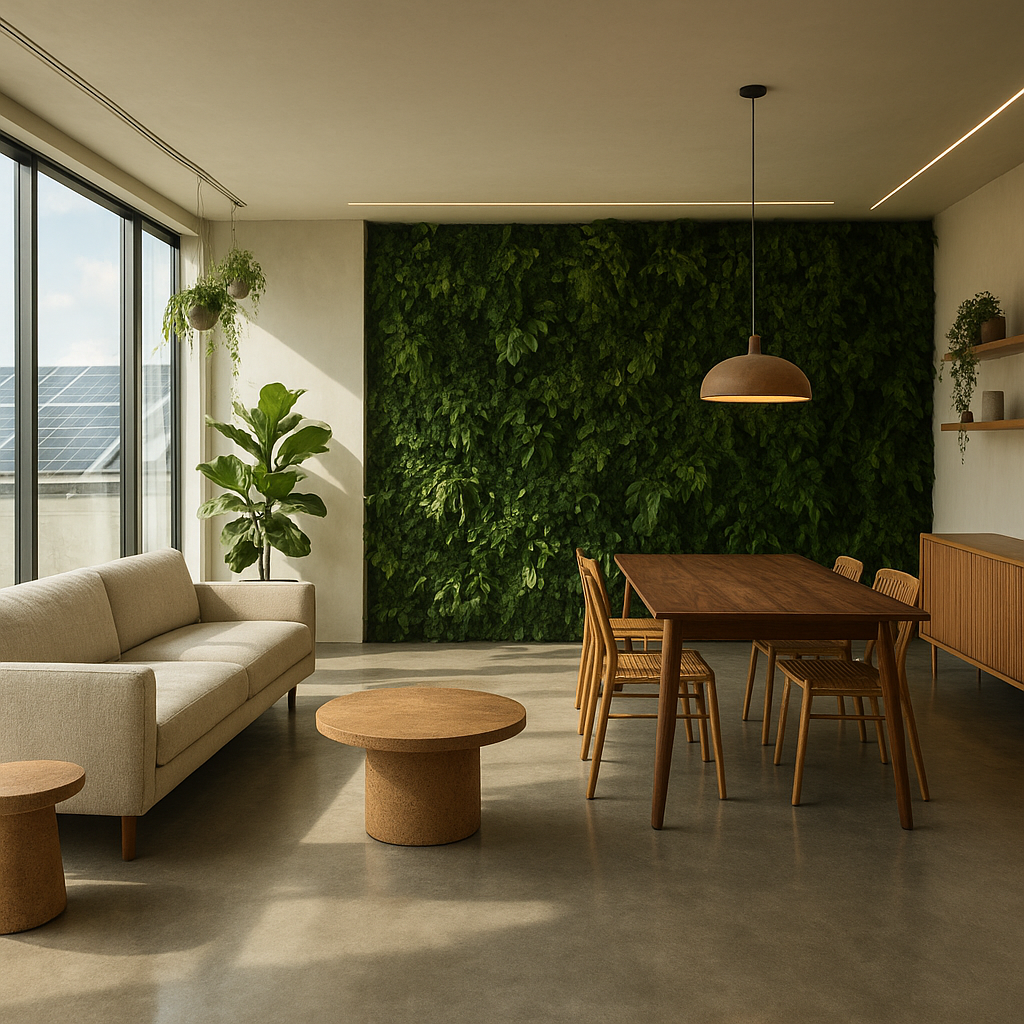
The way we design our homes says a lot about how we live — and increasingly, it says something about how we think about the future. Sustainable home design has shifted from a niche concept into one of the defining characteristics of thoughtful modern living. Whether you’re building from scratch, renovating an older property, or simply looking to make smarter choices room by room, understanding the core principles of sustainable design can help you create a home that’s not only beautiful and functional, but genuinely better for the world around it.
This isn’t about sacrifice or settling for less. In fact, the most compelling thing about sustainable home design is that it tends to produce spaces that are more comfortable, more durable, and more cost-effective over time. Let’s explore the principles that are shaping how thoughtful homeowners approach design today.
What Is Sustainable Home Design, and Why Does It Matter?
Sustainable home design refers to a set of practices and principles aimed at reducing a home’s environmental impact while improving the well-being of the people who live in it. This covers everything from the materials used in construction to how a home is oriented on its plot, how energy flows through its systems, and how waste is managed over time.
According to the U.S. Energy Information Administration, residential buildings account for approximately 20% of all energy consumption in the United States. That’s a significant share, and it highlights why the design decisions made in homes — big and small — genuinely add up. Beyond energy, the construction industry as a whole is responsible for roughly 11% of global carbon emissions, making material choices a major factor in any sustainability conversation.
But sustainability isn’t purely an environmental argument. Homes designed with these principles in mind often have better air quality, lower utility bills, reduced maintenance costs, and a longer useful lifespan. These are benefits any homeowner can appreciate, regardless of how eco-conscious they consider themselves.
Core Principles of Sustainable Home Design
1. Energy Efficiency as a Foundation
One of the most impactful places to start is energy. A home that uses energy wisely reduces both its carbon footprint and its operating costs year after year. This starts with insulation and air sealing — two unglamorous but incredibly effective tools. A well-insulated home requires far less energy to heat and cool, and gaps in the building envelope (around windows, doors, and penetrations) are among the biggest contributors to energy loss.
Beyond the envelope, energy-efficient windows — particularly double or triple-glazed units with low-emissivity coatings — play a significant role. So does the orientation of the home itself. Passive solar design, which positions a home to capture winter sun and shade summer heat, can dramatically reduce heating and cooling loads without any mechanical systems at all.
Heating, ventilation, and air conditioning (HVAC) systems are another major consideration. Heat pumps, for example, are now widely recognized as one of the most energy-efficient ways to heat and cool a home, often delivering three to four times more energy than they consume. Pair that with a smart thermostat and proper zoning, and the savings can be substantial.
2. Thoughtful Material Selection
The materials used to build and furnish a home carry what designers and architects call an embodied carbon cost — the emissions associated with extracting, processing, transporting, and installing them. Choosing materials with a lower embodied carbon footprint is increasingly recognized as a critical piece of the sustainability puzzle.
Some practical considerations include:
- Reclaimed and recycled materials: Salvaged wood, reclaimed brick, and recycled steel all bring character and history to a space while reducing demand for virgin resources.
- Locally sourced materials: Choosing materials produced closer to home reduces transportation emissions and often supports regional economies.
- Rapidly renewable resources: Bamboo, cork, and certain certified timbers regenerate quickly compared to old-growth hardwoods, making them more sustainable choices for flooring and cabinetry.
- Low-VOC finishes: Volatile organic compounds (VOCs) found in many paints, adhesives, and sealants can off-gas into indoor air for months or years. Low-VOC alternatives are now widely available and perform equally well.
- Durability: Perhaps most importantly, the most sustainable material is often the one that lasts the longest. Choosing high-quality materials that stand the test of time reduces the cycle of replacement and the waste it generates.
3. Water Conservation and Management
Fresh water is a finite resource, and residential use represents a significant portion of overall consumption. Sustainable home design addresses water at multiple levels — from how it enters the home to how it leaves it.
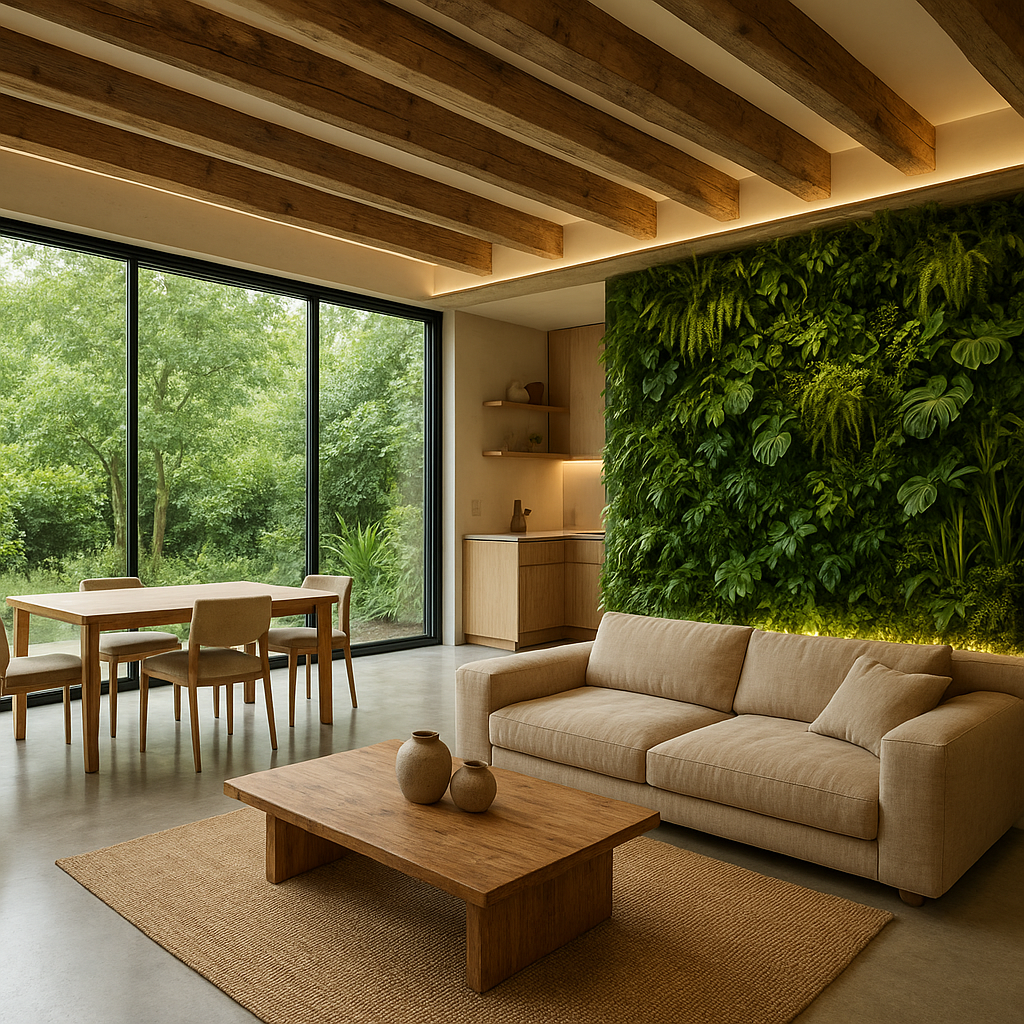
Low-flow fixtures (faucets, showerheads, toilets) can reduce household water consumption by 20 to 30 percent without any noticeable impact on daily comfort. Greywater systems, which capture and reuse water from sinks and showers for irrigation or toilet flushing, go a step further. Rainwater harvesting — collecting roof runoff in cisterns — is another increasingly common approach, particularly in water-stressed regions.
Landscaping choices also matter here. Native and drought-tolerant plantings require far less irrigation than conventional lawns and gardens, and they typically need fewer chemical inputs as well. Permeable paving and rain gardens can help manage stormwater runoff, reducing pressure on municipal systems and protecting local waterways.
4. Indoor Environmental Quality
Sustainability isn’t only about the planet — it’s also about the people living inside the home. Indoor air quality is a frequently overlooked dimension of sustainable design, yet the Environmental Protection Agency (EPA) estimates that indoor air can be two to five times more polluted than outdoor air in some cases.
Good sustainable design addresses this through:
- Natural ventilation strategies that allow fresh air to circulate without relying solely on mechanical systems
- Non-toxic materials that don’t off-gas harmful chemicals over time
- Adequate daylighting, which reduces the need for artificial lighting while supporting the circadian rhythms of the home’s occupants
- Acoustic comfort, which is increasingly recognized as a component of healthy living environments
- Thermal comfort through balanced temperature and humidity levels
The concept of biophilic design — integrating natural elements like plants, water features, natural light, and organic materials into the home — is closely aligned with sustainable principles and has been shown to reduce stress, improve mood, and increase overall well-being. These same qualities are central to creating warm and inviting spaces that feel genuinely restorative to live in.
5. Waste Reduction and Circular Thinking
Construction and renovation projects are notorious for generating large volumes of waste. A sustainable approach looks to minimize this from the outset by designing precisely, ordering carefully, and finding uses for offcuts and leftovers rather than sending them to landfill.
In the day-to-day life of the home, designing for waste reduction means creating dedicated spaces for composting, recycling, and repair. It also means choosing products and systems that are repairable and upgradeable rather than disposable. This circular economy thinking — keeping materials in use for as long as possible — is one of the most powerful levers available to homeowners and designers alike.
6. Renewable Energy Integration
Solar panels have become a familiar sight on residential rooftops, and for good reason. The cost of solar photovoltaic (PV) systems has dropped by approximately 90% over the past decade, making them accessible to a far wider range of homeowners. When paired with battery storage, solar systems can provide meaningful resilience against grid outages while reducing or even eliminating electricity bills.
Beyond solar, small-scale wind turbines, solar water heating, and geothermal heat pumps are all options worth exploring depending on location and site conditions. The key is to reduce the home’s energy demand first (through efficiency measures) before sizing renewable systems, which often results in smaller, less expensive installations.
What Are the Most Important Elements of an Eco-Friendly Home?
When people ask what makes a home truly eco-friendly, the answer usually comes back to a few interconnected elements: how it manages energy, how it’s built, and how it supports the health of its occupants. No single feature makes a home sustainable — it’s the interaction of many thoughtful decisions that adds up to something meaningful.
High-performance insulation, energy-efficient systems, responsible material choices, water conservation strategies, and good indoor air quality are the pillars. But the underlying philosophy matters just as much: building for longevity rather than trends, choosing quality over quantity, and designing spaces that genuinely serve the lives being lived in them.
Sustainable Design in Interior Spaces
Sustainable principles don’t stop at the structural level — they extend into how spaces are furnished and decorated. Choosing secondhand and vintage furniture keeps existing resources in circulation and reduces demand for new production. Opting for natural fiber textiles — organic cotton, linen, wool, hemp — avoids the microplastic pollution associated with synthetic fabrics.
Lighting design is another area with significant impact. LED technology has transformed energy consumption in homes, using up to 75% less energy than traditional incandescent bulbs and lasting far longer. Layering natural and artificial light thoughtfully can also reduce overall consumption while creating more comfortable and efficient living spaces.
Even small decisions — choosing concentrated, refillable cleaning products, installing motion sensors in less-used rooms, or simply committing to buying less and choosing better — contribute to a home environment that’s lighter on the planet.
How Sustainable Design Aligns With Modern Aesthetics
One of the persistent misconceptions about sustainable home design is that it requires compromising on style. In reality, many of the most compelling interior and architectural trends of recent years are deeply aligned with sustainable principles. Raw, natural materials. Warm wood tones. Textural depth from stone and linen. Spaces that feel grounded and calm rather than glossy and disposable.
The less but better ethos — favoring fewer, higher-quality pieces over an abundance of cheaper options — is both aesthetically sound and environmentally responsible. Minimalism, maximalism done with intention, and the warm eclecticism of collected, curated spaces can all be expressed through a sustainable lens.
Conclusion
Sustainable home design is not a single style or a checklist to complete — it’s a way of thinking about how homes are built, maintained, and lived in over time. The principles covered here — energy efficiency, responsible material choices, water conservation, indoor environmental quality, waste reduction, and renewable energy — work together to create homes that are better for the people inside them and for the broader world they exist in.
The encouraging truth is that sustainability and liveability are not competing goals. Homes designed with these principles tend to be more comfortable, more resilient, and more connected to the natural world in ways that genuinely enrich daily life. Whether you’re making sweeping changes or starting with small, considered decisions, every step in this direction is a meaningful one.