
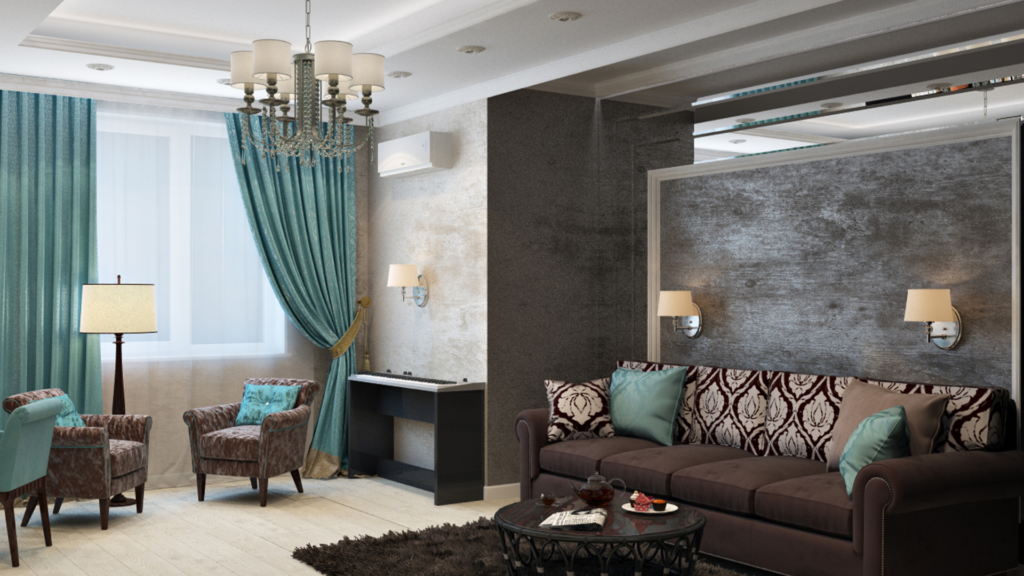
Mixing and matching furniture styles can transform a room from ordinary to extraordinary, reflecting personal taste and creativity. To successfully blend different styles, one must focus on a common color palette or complementary textures, ensuring cohesion throughout the space. This approach not only enhances visual interest but also creates a unique interior design that feels curated rather than haphazard.
Successful combinations often include elements from various eras, such as pairing vintage pieces with modern designs. This interplay of old and new can result in a dynamic environment that showcases individuality. Understanding the characteristics of different furniture styles, from rustic to contemporary, helps in making informed choices that elevate the overall aesthetic.
Visual balance plays a crucial role in mixing styles effectively. By considering scale, proportion, and arrangement, one can create harmony, preventing a clash of styles while allowing each piece to shine. Engaging with the concept of juxtaposition allows for an eclectic yet cohesive look that tells a story through furniture.
Fundamentals of Mixing Furniture Styles
Mixing furniture styles involves understanding various design elements, including style types, scale, and color palettes. Successfully combining these factors results in a cohesive and visually appealing interior.
Understanding Furniture Styles
Furniture styles can be diverse, ranging from modern and minimalist to traditional and rustic. Each style has distinct characteristics that contribute to its overall aesthetic. For example, mid-century modern furniture typically features clean lines and organic shapes, while industrial pieces often showcase raw materials like metal and wood. Additionally, in order to create a cohesive and personalized space, one can even consider Bespoke Furniture that can help bridge different styles while ensuring each piece is tailored to the overall design vision.
To mix styles effectively, one must recognize the key features of each type. Incorporating a neutral base is crucial. Neutral tones can blend different styles and provide a seamless backdrop. By layering in bold pieces that contrast with the base, a dynamic look emerges without overwhelming the space.
Principles of Scale and Proportion
Scale and proportion are vital in mixing furniture styles. The size of each piece should complement the space while maintaining harmony among various styles. For example, a large sectional couch may dominate a small room and clash with slender accent chairs.
Accuracy in scale involves assessing both the dimensions of furniture and the surrounding space. Balancing proportions creates a visually pleasant environment. A good rule is to maintain a 60-30-10 ratio: 60% dominant pieces, 30% supporting pieces, and 10% accent items. This approach aids in achieving a well-rounded design.
Selecting a Color Palette
A well-chosen color palette enhances the ability to mix furniture styles. Start with a neutral base to ground the space, which allows for flexibility in adding bolder colors. Consider using a mix of complementary and contrasting hues to enrich the design without creating chaos.
Incorporating three to five colors is advisable. This range enables variety while maintaining cohesiveness. Use one or two dominant colors and additional accent colors to highlight specific pieces. Textures also play a role; combining fine fabrics with rough textures can create depth and interest in a mixed-style arrangement.
Creating Visual Harmony
Creating visual harmony involves balancing different furniture styles to achieve a cohesive look. This can be accomplished through thoughtful placement, the use of complementary textures, and a strong focal point that draws the eye.
Achieving Balance and Contrast
Balance is essential when mixing different furniture styles. It refers to the visual weight distribution within a space. A well-balanced room feels stable and harmonious.
To create balance, consider the size and shape of furniture pieces. For instance, pairing a large, modern sofa with a smaller, vintage chair can create an appealing contrast.
Incorporating various shapes—such as round tables with angular sofas—enhances the visual interest. Darker colors can ground a space while lighter hues add airiness.
Tip: Use similar materials across styles to maintain a cohesive look without losing diversity.
Layering Textures and Patterns
Layering textures and patterns add depth and character to an interior. A smooth, sleek surface can complement a shaggy rug, creating tactile contrast. You can work around existing piece in your room. For example, if you have an old beloved rug, Rug Bindery & repair services can bind, wrap and resize it to save buying a new one.
When combining patterns, use varying scales. A large floral print on a sofa can be balanced with smaller geometric cushions. This technique helps avoid visual clutter.
It’s important to limit the color palette—aim for three to five colors to keep things unified. Textures can range from polished finishes to rough fabrics, enhancing the dimensionality in the room.
Example: A leather chair can coexist with linen pillows, contributing to a rich sensory experience.
Choosing a Focal Point
A focal point anchors a room and guides the arrangement of furniture. It can be a striking piece of art, an elegant fireplace, or a unique furniture item. For instance, a carefully selected piece of wicker furniture can add texture and a natural charm, making it an inviting centrepiece.
When all elements in a room lead to the focal point, visual harmony is achieved.
To enhance the focal point, ensure surrounding items are complementary in style and color. Avoid overcrowding; give the focal area space to breathe.
Suggestion: If the focal point is more subdued, amplify it with bold accessories or artwork that draws attention without overwhelming the space.
Incorporating Statement and Vintage Pieces
Incorporating statement and vintage pieces can elevate a room’s aesthetic and create a cohesive look. These elements allow for personal expression while contributing personality to the mix of furniture styles.
Integrating a Statement Piece
A statement piece serves as the focal point of a space. It should stand out but also complement the surrounding furniture. Examples include a bold sofa, an oversized art piece, or a uniquely designed coffee table.
Tips for integration:
- Choose Wisely: The piece should express individual style and taste.
- Balance Surroundings: Ensure other furniture does not compete with the statement piece. Use neutral colors or simpler designs to allow the main piece to shine.
- Echo Design Elements: Incorporate some attributes from the statement piece throughout the room to establish a connection, such as similar colors or materials.
Selecting and Placing Vintage Items
Vintage pieces can add character and history to a space. They often carry stories and charm that new items lack.
Key considerations:
- Quality Over Quantity: Select fewer high-quality vintage items rather than several mediocre ones.
- Mixing Eras: Combine vintage treasures with contemporary items for contrast. It creates an eclectic, curated look.
- Placement: Position vintage items thoughtfully. They can serve as accents on shelves, coffee tables, or as standalone features.
Combining these elements thoughtfully contributes to a well-rounded furniture arrangement that feels intentional and stylish.
Accessorizing and Detailing
When mixing and matching furniture styles, thoughtful accessorizing and detailing can enhance the overall aesthetic. Selecting the right accessories ensures a cohesive look while maximizing both style and function.
Choosing Complementary Accessories
Accessories are crucial in bridging different furniture styles. Items such as art, cushions, and throws can tie a room together.
- Artworks: Choose pieces that resonate with both contemporary and traditional aesthetics. A modern abstract piece can complement classic furniture beautifully.
- Cushions: Mixing patterns and textures in cushions can add comfort. For instance, pairing a traditional plaid with a vibrant geometric print can create visual richness.
- Rugs: A well-chosen rug can ground a space. An area rug in a Scandinavian design fits nicely under an eclectic coffee table.
The key is to select accessories that share similar shapes or colors to maintain harmony while allowing for diversity in textures.
Mixing with Function and Comfort in Mind
Practicality should guide the selection of accessories. While aesthetics matter, it’s essential to prioritize function and comfort to avoid creating a space that feels chaotic.
- Sideboards: A well-chosen sideboard can add both style and practical storage to a space. It helps keep essentials organized while also acting as a subtle design element that ties the room together.
- Bedside Tables: Bedside tables not only offer practical storage but also help frame the bed and complete the overall look of the room. And when paired with statement furniture such as Luxury upholstered beds, they enhance the soft, inviting aesthetic while maintaining balance and functionality.
- Coffee Tables: Their role as focal points requires careful consideration. A rustic coffee table can juxtapose sleek furniture, drawing attention while still promoting comfort.
Incorporating functional accessories not only enhances visual appeal but also ensures that the space serves its intended purpose effectively.