
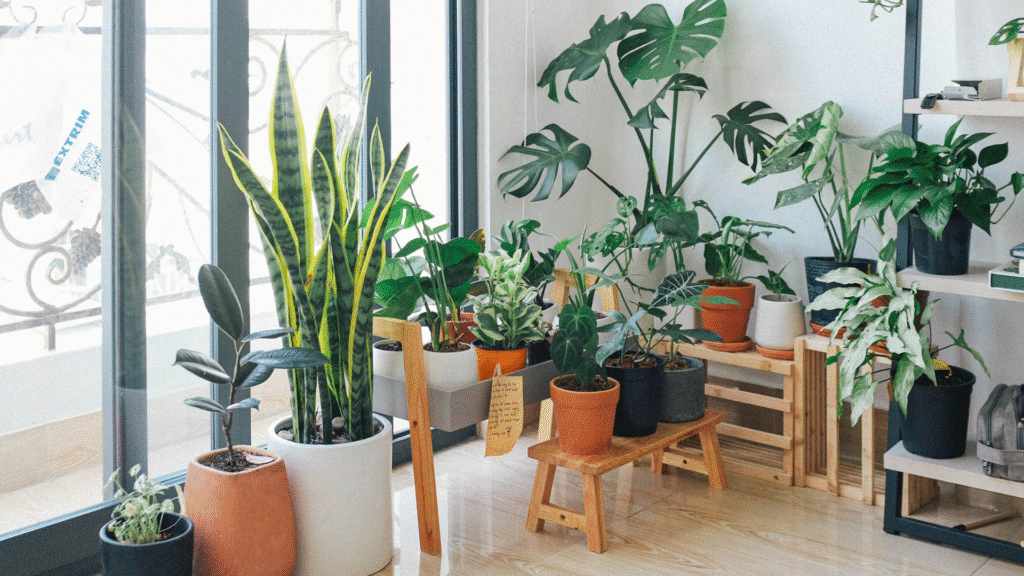
Indoor plants have a remarkable ability to transform spaces, bringing life and warmth into homes. The best indoor plants to brighten your home not only enhance aesthetics but also improve air quality and boost mood. Selecting the right houseplants can create a refreshing atmosphere that complements any decor.
Some of the most popular indoor plants include the snake plant, pothos, and peace lily. Each of these plants offers unique characteristics, making them ideal for various lighting conditions and care preferences. By incorporating a mix of greenery, one can easily create a vibrant indoor oasis.
Choosing the right indoor plants is essential for maintaining a lively and inviting environment. Understanding the specific needs of each plant ensures they thrive, providing beauty and benefits for years to come.
Top Indoor Plants to Brighten Your Home
Indoor plants enhance decor and improve air quality. Below are some top choices that bring both beauty and functionality to any living space.
Snake Plant
The snake plant, also known as Sansevieria, is a resilient indoor plant that thrives in low light. Its upright, sword-like leaves come in various shades of green with distinctive yellow edges, making it a stylish addition to any room.
This plant is particularly notable for its air-purifying qualities. It can filter toxins like formaldehyde and benzene, contributing to a healthier living environment.
Snake plants require minimal care, needing only occasional watering. They can survive in a range of light conditions, though indirect sunlight is best. This low-maintenance trait makes it ideal for busy plant enthusiasts.
Pothos
Pothos, or Epipremnum aureum, is celebrated for its vibrant heart-shaped leaves and trailing vines. This versatility allows it to be used in hanging baskets, on shelves, or on climbing trellises.
Pothos plants thrive in various lighting conditions, from low light to bright, indirect sunlight. They can tolerate neglect, making them perfect for newcomers to indoor gardening.
This plant is also effective at improving air quality by removing common indoor pollutants. Regular pruning will promote bushier growth, ensuring the plant remains lush and appealing in any setting.
Spider Plant
The spider plant, scientifically known as Chlorophytum comosum, features long, arching leaves that can create a dynamic focal point. Its green-and-white striped foliage adds visual interest, brightening up corners or shelves.
Spider plants are known for their air-purifying abilities, effectively reducing indoor toxins. They are also non-toxic to pets, making them a safe choice for households with furry companions.
These plants are easy to propagate, as they produce “babies” that can be easily potted. They prefer bright, indirect sunlight and require regular watering, ensuring they remain healthy and vibrant.
Additional Beautiful Options
For those seeking to enhance their indoor spaces with vibrant greenery, two exceptional choices are Tradescantia and the Fiddle Leaf Fig. Both are known for their striking appearance and ability to thrive indoors.
Tradescantia
Tradescantia, commonly known as Wandering Jew, offers stunning foliage in various colors, including green, purple, and variegated patterns. Its trailing vines are perfect for hanging baskets or as a tabletop plant.
This indoor plant thrives in bright, indirect light but can adapt to lower light conditions. It prefers a humidity level of around 50% for optimal growth. Regular watering is essential; the soil should remain slightly moist but not soggy. An occasional misting can help maintain humidity.
Fiddle Leaf Fig
The Fiddle Leaf Fig is prized for its large, glossy leaves that add a dramatic touch to any room. This popular indoor plant can grow quite tall, making it an excellent focal point.
It prefers bright, indirect sunlight and needs regular watering, allowing the top inch of soil to dry out between sessions. The Fiddle Leaf Fig thrives in high humidity levels; using a humidifier or placing a tray of water nearby can enhance its environment. Proper care leads to a lush, healthy plant that can elevate any indoor setting.
Choosing and Caring for Indoor Plants
Selecting and caring for indoor plants requires attention to their specific needs. Understanding light conditions, watering practices, and air quality can significantly enhance their growth and longevity.
Light and Temperature Needs
Indoor plants have varying light and temperature requirements. For example, snake plants thrive in low to bright indirect light, making them versatile for different locations. In contrast, spider plants prefer medium to bright indirect sunlight.
Temperature is also crucial. Most houseplants favor temperatures between 60°F and 75°F (15°C to 24°C). Keeping plants away from drafts, heaters, and air conditioning units helps maintain a stable environment.
A simple way to assess lighting is to observe plant growth and leaf coloration. Yellowing leaves may indicate too much light, while stretching stems suggest insufficient light.
Watering and Humidity
Watering practices are essential for the health of indoor plants. It’s often better to underwater than overwater. Plants like snake plants need infrequent watering, typically every 2-4 weeks, while spider plants may require more frequent watering during peak growth.
Monitoring humidity is important, especially for tropical plants. Many indoor plants do well in humidity levels around 40-60%. If humidity is low, using a small humidifier or grouping plants together can help increase moisture. Regularly misting the leaves can also boost humidity and promote healthy growth.
While high humidity helps tropical plants grow, too much moisture in the air can lead to mold issues in your home. Excess moisture often settles on walls and carpets, which creates a perfect environment for spores to spread. When this happens, simple cleaning is often not enough to solve the problem. Professional services from Houston remediation specialists can help find the source of the dampness and clear the mold safely. Keeping your indoor humidity balanced is key to protect both your plants and your living space.
Maintaining Healthy Air Quality
Houseplants contribute to improved air quality by filtering pollutants. For instance, a snake plant can absorb formaldehyde and benzene, enhancing indoor air quality.
To maintain air quality, it’s vital to choose the right plants. Ideally, incorporating several plant species will maximize this benefit. Additionally, ensuring proper spacing between plants promotes airflow, reducing the risk of mold and pests.
Regularly dusting plant leaves helps maximize their air-purifying capabilities. Healthy plants can provide both aesthetic appeal and practical benefits in any indoor space.