
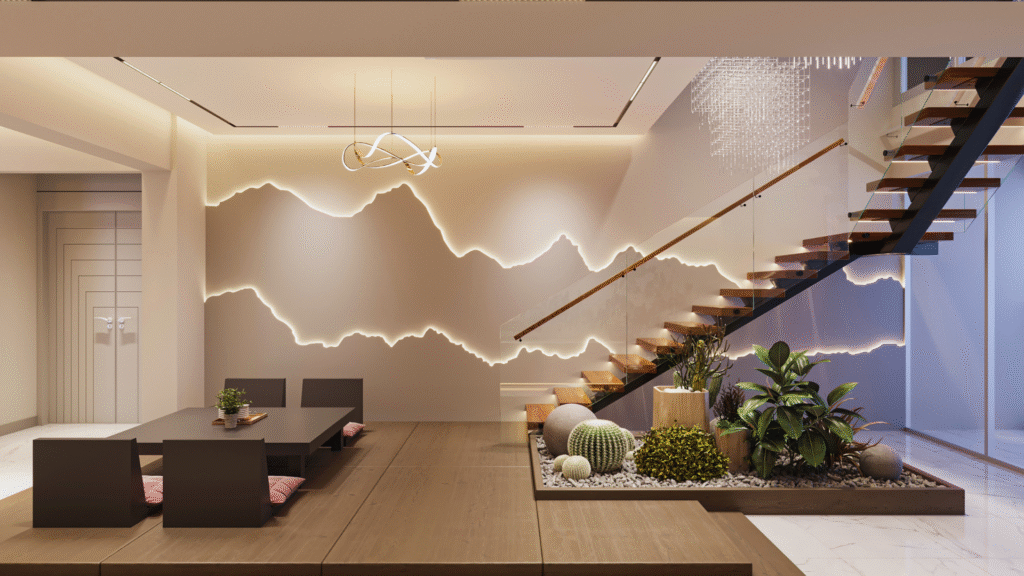
Layering lighting in a home involves combining different types of light sources to create a balanced and inviting atmosphere. Achieving this involves using ambient, task, and accent lighting effectively to enhance the functionality and aesthetic of each space. This approach allows for versatility in mood and utility, addressing various needs throughout the day.
Understanding the roles of each lighting type is essential. Ambient lighting provides the overall illumination, while task lighting focuses on specific areas for activities like reading or cooking. Accent lighting highlights features and adds visual interest, making spaces feel more dynamic and personalized.
When properly layered, lighting can transform rooms, showcasing the beauty of the decor while ensuring comfort and practicality. This art requires careful consideration of placement and intensity, making it a vital skill for anyone looking to elevate their home design.
Fundamentals of Layering Lighting in Your Home
Layering lighting enhances the functionality and aesthetics of a home. A well-designed approach encompasses ambient, task, and accent lighting, creating a balanced environment conducive to various activities.
What Is Layered Lighting?
Layered lighting involves combining different types of light sources to achieve a balanced and flexible illumination scheme. This technique enables homeowners to adapt lighting based on specific needs and moods.
The three primary categories include ambient lighting, which provides general illumination; task lighting, designed for focused activities; and accent lighting, used to highlight features or create visual interest.
Utilizing multiple layers allows for versatile home lighting that improves comfort and enhances each space.
Benefits of Layering Light
Implementing layered lighting offers numerous advantages. It creates depth and dimension within a room, making spaces feel more inviting.
Furthermore, it accommodates varying activities throughout the day, from reading to entertaining. By adjusting specific light sources, individuals can personalize their environment based on mood and function.
Additionally, layered lighting can improve energy efficiency. By using brighter task lights only when needed, energy consumption can be minimized.
The Three Main Lighting Layers: Ambient, Task, and Accent
- Ambient Lighting:
- This is the foundational layer, providing overall illumination.
- Common sources include ceiling fixtures, wall sconces, and floor lamps.
- Its purpose is to ensure visibility and comfort in a space.
- Task Lighting:
- This layer focuses on specific areas for activities such as cooking, reading, or working.
- Examples are under-cabinet lights in kitchens and desk lamps.
- Task lighting should be bright enough to prevent eye strain while remaining well-placed to avoid shadows.
- Accent Lighting:
- This layer is used to highlight architectural features or decorative elements.
- It includes spotlights, picture lights, and decorative lamps.
- Accent lighting creates interest and can dramatically enhance the ambiance of a room.
Incorporating these layers together ensures a comprehensive lighting design that meets both functional and aesthetic needs within the home.
Choosing Lighting Fixtures for Each Layer
Selecting the right lighting fixtures is essential for creating a balanced and functional lighting plan in any home. Each layer of lighting serves a unique purpose, enhancing both aesthetics and usability. Below are specific options for each layer.
Ambient Lighting: Ceiling Lights, Chandeliers, and Flush Mounts
For ambient lighting, ceiling-mounted fixtures are commonly chosen. Chandeliers add elegance to dining rooms or entryways. In contrast, flush mounts offer a sleek, space-saving option, ideal for smaller areas.
When selecting ambient lighting, consider the size of the room and ceiling height. Larger chandeliers work well in spacious rooms, while compact flush-mount fixtures are suitable for low ceilings. Bright, warm 12V or 24V LED fittings can create a welcoming and comfortable atmosphere. Additionally, dimmable options allow you to adjust the brightness based on the time of day, mood, or occasion.
Adding dimmers and new fixtures often means you need to update your electrical panel. Older panels may not support the extra load from multiple new light sources. A qualified contractor like Sure Shot Electrical can check your current system to see if it is safe. They can install the correct switches and wiring for your new setup. This keeps your home safe and makes sure your lights operate correctly.
Task Lighting: Table Lamps, Pendant Lights, and Vanity Lights
Task lighting focuses on specific areas where activities occur, such as reading or cooking. Table lamps are versatile, fitting well on desks or bedside tables. Pendant lights can be installed over kitchen islands or dining areas to provide direct light.
For vanity lighting, consider fixtures that minimize shadows. LED strip lights above or around mirrors offer bright, even illumination for grooming tasks. It’s essential to select fixtures that complement the room’s overall style while providing sufficient brightness. Task lighting should be both functional and aesthetically pleasing, enhancing productivity and comfort.
Bathroom lighting works best when it is planned alongside the wider room layout, particularly the vanity, mirror, and cabinetry positions. Homeowners considering a complete redesign rather than a lighting-only change may find it useful to work with a bathroom renovation company melbourne so lighting can be considered alongside the room’s layout and finishes. Planning these elements together can help keep the space practical while supporting a cohesive overall design.
Accent Lighting: Wall Sconces, Picture Lights, and Spotlights
Accent lighting highlights specific features within a room, such as artwork or architectural details. Wall sconces are popular, providing both illumination and decorative appeal. They can frame artwork or serve as complementary lighting next to mirrors.
Picture lights are specifically designed to showcase artwork, illuminating pieces effectively without overwhelming them. For more focused illumination, spotlights can be used to draw attention to key areas or items. When selecting accent lighting, choosing fixtures that harmonize with the room’s design is crucial. This can create a cohesive and visually appealing environment.
Design Principles for Effective Light Layering
Layering lighting in a home involves the strategic use of different types of light to enhance spaces. Key design principles include balancing brightness with softness, utilizing color temperature effectively, incorporating dimmers, and highlighting textures and decorative elements to create interest and depth.
Balancing Brightness and Softness
Achieving an effective balance between bright and soft light is crucial. Bright lighting serves functional purposes, making tasks like reading or cooking easier. Soft light, on the other hand, creates an inviting atmosphere for relaxation.
Strategies:
- Use task lighting in key areas such as workspaces.
- Incorporate ambient lighting for overall illumination.
- Accent lighting can highlight features while adding warmth.
The blend creates dynamic spaces that cater to different activities and moods.
Utilizing Color Temperature and Natural Light
Color temperature plays a significant role in setting the tone of a room. Warm light (2700 K- 3000 K) promotes coziness, while cooler temperatures (4000 K- 5000 K) support productivity.
Incorporating Natural Light:
- Align artificial lighting with natural light.
- Choose curtains that filter sunlight while providing privacy.
- Use mirrors to reflect natural light, enhancing brightness.
Adjusting these elements creates harmony between indoor and outdoor light, enriching the space.
Incorporating Dimmers for Flexibility
Dimmers add versatility to lighting designs by allowing for adjustments based on needs and moods. This control helps transition between various activities.
Benefits of Dimmers:
- Adjust brightness to suit the time of day or occasion.
- Promote energy efficiency by reducing the overall light output.
Incorporating dimmers can significantly enhance the functionality of each lighting layer, accommodating both bright task lighting and soft mood settings.
Highlighting Texture, Artwork, and Decorative Elements
Effective light layering accentuates textures and artwork, adding depth and interest to a room. Lighting can transform the perception of shapes and materials.
Key Techniques:
- Use spotlights or track lighting to emphasize artwork and unique features.
- Deploy wall washes to showcase textures and architectural details.
- Consider decorative fixtures that serve as art pieces themselves.
By focusing on these elements, spaces become richer and more visually compelling, drawing attention to the homeowner’s personal style.
Adapting Layered Lighting to Your Home Design
Effective layered lighting must complement each home’s unique design and function. Key considerations include the specific needs of different rooms and how to seamlessly integrate fixtures into existing decor.
Adjusting Lighting for Different Rooms
Each room in a home serves a different purpose, influencing lighting needs. A living room benefits from warm, ambient lighting to create a welcoming atmosphere. Dimmers can adjust brightness based on activity or time of day.
In the kitchen, brighter task lighting is essential for food preparation. Pendant lights over countertops or adjustable LED lights under cabinets enhance functionality.
For bedrooms, softer lighting promotes relaxation. Techniques such as using bedside lamps with warm bulbs or adding sconces can enhance comfort.
Bathrooms require a blend of task and ambient lighting; vanity lighting should be bright yet flattering. Using mirrors with backlighting aids functionality while maintaining an inviting vibe.
Integrating Fixtures into Interior and Home Design
Selecting fixtures that align with a home’s design enhances the overall aesthetic. Pendant lights should reflect the style of the room; for example, a modern pendant may suit a contemporary kitchen, while a vintage chandelier enhances classic decor.
Colors of the fixtures are equally important. A neutral palette allows lighting to blend harmoniously, while bold colors can become focal points.
Consider the scale of fixtures too. Larger rooms can accommodate bigger fixtures, while smaller ones require more compact designs for balance.
Lastly, installation can enhance design. For instance, recessed lighting provides a streamlined look in minimal spaces, while surface-mounted options add character in eclectic settings. Adjusting light placements and fixtures can significantly elevate a home’s aesthetic appeal.