
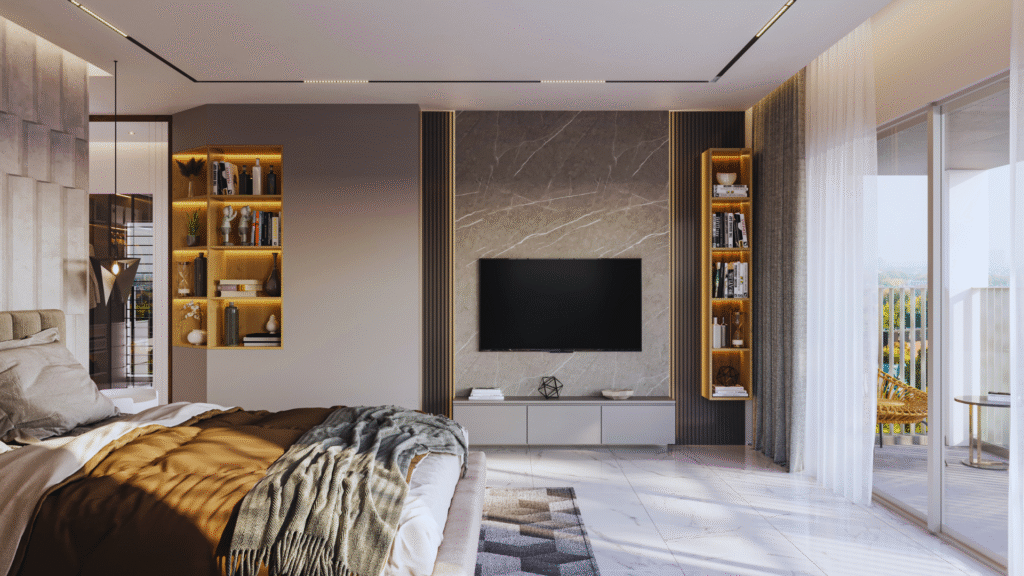
Creating a relaxing bedroom retreat is essential for anyone seeking an escape from the stresses of daily life. To transform a standard bedroom into a serene sanctuary, one should focus on elements like color schemes, lighting, and personal touches that promote tranquility. Simple changes, such as choosing calming colors and incorporating soothing textures, can significantly enhance the atmosphere.
The layout of a bedroom also plays a crucial role in fostering relaxation. Ensuring that the space is clutter-free and organized allows for better mental clarity and peace. Adding comfortable bedding and strategically placed furniture can guide the flow of energy in the room, making it a perfect place to unwind.
Incorporating natural elements, like plants or calming scents, will further enhance the retreat feel. These features not only beautify the space but also create a connection with nature, essential for relaxation. Ultimately, the key is to design a space that feels inviting and restful, encouraging an escape from the hustle and bustle of life.
Designing the Ideal Bedroom Retreat
Creating a relaxing bedroom retreat requires attention to style, color, and atmosphere. Thoughtful choices in design elements can transform a standard bedroom into a serene sanctuary.
Defining Your Bedroom Style
The first step in establishing the ideal retreat is defining personal style. Popular styles include:
- Minimalist: Focuses on simplicity and functionality.
- Bohemian: Emphasizes rich textures and vibrant patterns.
- Scandinavian: Combines simplicity with warmth through natural materials.
Selecting a specific style helps coordinate furniture, bedding, and decor. He or she should consider how each piece contributes to the retreat ambiance. Mixing styles can work, but cohesion is essential to avoid a cluttered feel.
Choosing a Relaxing Color Palette
Color influences mood significantly, making the right palette crucial. Soft, muted tones create calm and serenity. Recommended colors include:
- Soft Blues: Promote tranquility and effective relaxation.
- Gentle Greens: Connect with nature, enhancing a peaceful feeling.
- Warm Neutrals: Offer a cozy atmosphere without being overwhelming.
When selecting colors, consider how light affects them at different times of the day. Testing shades on walls can provide clarity before making final decisions.
Integrating a Neutral Color Palette
For a refined retreat, integrating a neutral color palette can be effective. Neutrals provide a versatile backdrop for various decor styles. Key colors to consider are:
- Beige: Creates warmth, particularly in textiles.
- Gray: Offers sophistication and pairs well with many accents.
- White: Enhances space, making it feel airy and open.
Incorporating textural elements helps break any monotony. Soft textiles, natural wood finishes, and metallic accents can enrich the space. These small details elevate the overall design while maintaining a peaceful aesthetic.
Creating a Calm and Clutter-Free Environment
A serene bedroom is essential for relaxation and self-care. Creating a calm environment begins with the effective management of clutter and an organized space.
Decluttering for Relaxation
Decluttering is a systematic process that reduces distractions and enhances tranquility. Begin by removing items that do not belong in the bedroom. This includes clothes, papers, or any personal items that crowd the space.
Use the 4-Box Method:
- Keep: Items that are essential or bring joy.
- Donate: Gently used items you no longer need.
- Trash: Broken or unnecessary items.
- Relocate: Items that belong in another room.
Once these items are sorted, focus on surfaces. Limit decor and personal belongings on bedside tables and dressers to a few meaningful pieces to maintain a clean look.
Organizing Bedroom Clutter
An effective organization complements decluttering by providing designated spaces for all items. Start with closet organization; use dividers and baskets to categorize clothing and accessories.
Consider using under-bed storage for seasonal items or extra linens. This keeps them accessible yet out of sight. Drawer organizers can help separate smaller items like socks, jewelry, and charging cables, making it easier to find what is needed.
Maintain a nightly routine to keep clutter at bay. Spend just five minutes each evening tidying up surfaces and returning items to their designated spots. This simple practice reinforces a calm atmosphere and supports ongoing relaxation.
However, a tidy bedroom is often hard to maintain for busy people. While daily habits help, deep dirt and dust build up over time. Professional help makes it easier to keep the space fresh and healthy.
Many homeowners choose ongoing house cleaning services to manage these tasks on a regular schedule. This approach keeps the room ready for rest without the stress of a big weekend chore. It allows the focus to stay on comfort rather than chores.
Finding a reliable team to handle these chores makes a big difference in how your home feels. A professional service like Maidbright Cleaning can take care of the deep dusting, vacuuming, and sanitizing that often get neglected during a busy week. They bring their own supplies and work around your schedule to keep your living space fresh. This regular upkeep prevents dust from building up on your furniture and floors. With the heavy lifting out of the way, you can enjoy a clean bedroom without spending your free time scrubbing.
Enhancing Comfort and Ambiance
Creating a serene environment in the bedroom is about more than just aesthetics. It involves careful choices in furnishings, lighting, and decor to foster relaxation and a sense of peace.
Selecting a Cozy Bed and Bedding
A cozy bed serves as the centerpiece for a relaxing bedroom. Invest in a high-quality mattress that supports the body while providing comfort. Opt for bedding made from soft, breathable fabrics like cotton or linen to enhance the overall feel.
Layer bedding with blankets and comforters for added warmth. Choosing a color palette that promotes calmness, such as soft blues or earthy tones, can transform the space. Large, plush throw pillows can also add an inviting touch.
Adding Soft Lighting Options
Soft lighting is crucial for creating ambiance in the bedroom. Instead of harsh overhead fixtures, consider using floor lamps or table lamps with dimmable options. This allows for a customizable lighting experience.
Incorporate string lights or fairy lights for a whimsical touch. They can be hung along walls or draped over headboards to provide gentle light. Additionally, utilizing a fan with built-in lighting can enhance air circulation while offering a subtle glow.
Layering with Throw Pillows and Area Rugs
Throw pillows are essential for both comfort and style. They can be used to soften the appearance of a bed or chair, making it more inviting. Choose a variety of sizes and textures to create visual interest.
An area rug can ground the space, adding warmth and a cozy feel underfoot. Select a rug that complements the bedding and decor, such as a plush or woven option. Together, these elements combine to enhance the overall atmosphere of relaxation.
Incorporating a Peaceful Seating Area
A designated seating area contributes to the room’s comfort. Choose an armchair or a small loveseat that invites reading or quiet reflection. Ensure the seating is comfortable and styled to match the rest of the decor.
Adding a small side table provides a convenient spot for books or a calming cup of tea. This area can be illuminated with soft lighting, allowing for a retreat within the retreat. Thoughtful placement can encourage a serene atmosphere conducive to unwinding.
Incorporating Relaxation Elements
Creating a calming atmosphere involves integrating specific components that promote serenity. By choosing the right scents and plants, one can significantly enhance the tranquility of a bedroom retreat.
Using Aromatherapy and Candles
Aromatherapy plays a crucial role in setting the mood. Essential oils like lavender or chamomile are well-known for their calming properties. These scents can help reduce stress and promote sleep.
Candles enhance this experience by providing soft, warm lighting. They not only contribute to the ambiance but can also be infused with essential oils for added aromatherapy benefits.
Suggested Scents for Relaxation:
- Lavender
- Bergamot
- Sandalwood
Purchasing quality, natural candles without synthetic fragrances ensures a healthier environment. Positioning candles in safe areas can elevate relaxation practices, making the space inviting and peaceful.
Bringing in Houseplants for Tranquility
Houseplants contribute to relaxation through their calming visual aesthetics and air-purifying benefits. Plants such as snake plants or peace lilies are particularly effective for enhancing indoor air quality.
Adding greenery can create a natural connection within the bedroom, fostering a sense of tranquility. Keeping plants near windows for optimal sunlight exposure helps them thrive and enhances the overall decor.
Top Houseplants for Relaxation:
- Snake Plant: Low maintenance and improves air quality.
- Peace Lily: Adds beauty and filters toxins.
Incorporating these houseplants into the design can create a serene environment, promoting emotional well-being and relaxation.