
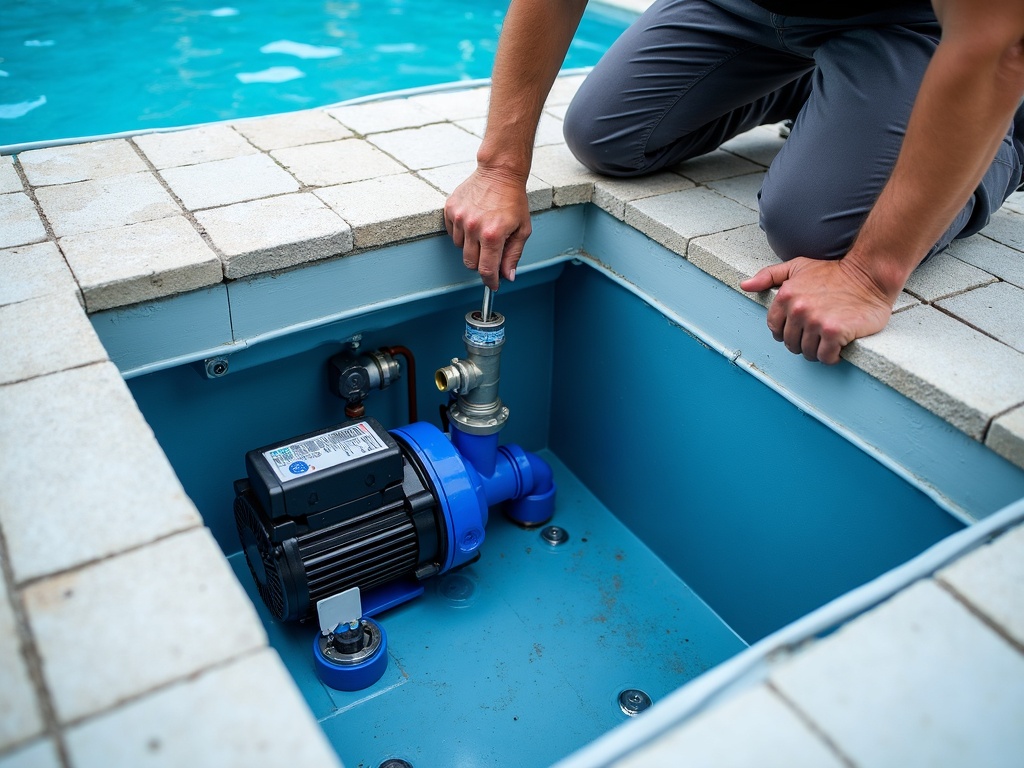
Smart DIY Pump Repair Choices
As a homeowner, it’s almost inevitable that at some point a pump-related issue will appear around your property. It could be a sudden drop in water pressure, a noisy pool pump, or a bore pump that simply stops drawing water. The first question that usually comes to mind is, “Can I fix this myself?” It’s a fair thought. Pumps aren’t cheap, and calling in a technician for every small problem can quickly become expensive.
However, not all pump problems are created equal. Some can be resolved with basic tools and a little patience, while others involve risks that make professional repair the wiser choice. Understanding which is which can save both money and frustration.
A pool pump, for example, may look simple from the outside — a few pipes, valves, and a motor that keeps water circulating. Yet inside are moving parts, electrical components, and delicate seals that all work together under pressure. When something goes wrong, two very different issues can present the same symptoms. A slow leak might be caused by a loose fitting or by a failed internal seal. Low pressure could be the result of a clogged filter or a damaged impeller. Knowing the difference often determines whether a problem can be handled at home or needs expert attention.
Pump Issues That Are Safe to Fix Yourself
There are a few common pump issues that homeowners can safely address without professional help. These are typically maintenance-related and carry little risk when handled carefully.
1. Clean the filter or intake
The most frequent and straightforward repair involves cleaning the filter or strainer basket. Over time, debris like leaves, dirt, or sand builds up and restricts water flow, forcing the pump to work harder. Turn off the power, open the filter housing, remove debris, and rinse the filter. If performance improves, the problem was likely just a blockage.
2. Check for air leaks
Air leaks are another common cause of poor performance in pool and garden pump systems. When air enters the suction line, pressure fluctuates, and water flow can become inconsistent. Inspect all visible fittings, joints, and hoses for looseness or cracks. If you notice bubbling in your pool return jets, this is often a giveaway.
In coastal regions or areas with sandy soil, such as Western Australia, pumps are especially prone to small leaks caused by wear or vibration. In these cases, reaching out to a technician familiar with pump repairs Perth can help ensure the issue is correctly diagnosed and sealed before it worsens.
3. Replace seals and gaskets
Pump seals and gaskets naturally wear down over time. Most hardware stores sell replacement kits for common models, and changing them is usually safe if done patiently. Follow the manufacturer’s instructions closely and double-check the order of parts during reassembly. Even one misplaced seal can lead to new leaks or pressure loss.
4. Verify the power supply and electrical connections
Occasionally, a pump that won’t start isn’t broken at all — it’s an electrical problem. Before assuming a major fault, check that the circuit breaker hasn’t tripped, cords are intact, and connections are secure. Outdoor power cords can corrode or degrade over time, leading to intermittent operation or overheating.
When to Stop and Call a Professional
While basic maintenance is manageable, there’s a point where DIY stops being practical or safe. Missteps in more complex repairs can lead to costly damage or serious safety hazards.
Electrical work
Any repair that involves exposed wiring or motor components should be left to a qualified technician. A wrong connection can destroy the motor or even cause an electrical fire. Replacing capacitors or rewiring circuits may look simple in tutorials, but real-world systems can differ, making small mistakes dangerous.
Pump disassembly
Taking a pump apart without knowing the correct reassembly order often leads to more problems. Misaligned impellers, damaged bearings, or cracked housings can result from improper handling. Even minor alignment errors can cause vibration, noise, and premature failure. Once the pump is opened, you risk voiding warranties or creating leaks that weren’t there before.
When Local Knowledge Matters
For homeowners in Western Australia, environmental conditions can add another layer of complexity. Hard water, sand infiltration, and mineral buildup all accelerate wear and reduce pump lifespan. Local technicians are familiar with these challenges and can often spot underlying causes that a general repair approach might miss.
Whether it’s a bore pump, irrigation pump, or swimming pool system, professional diagnosis ensures that the root issue is addressed, not just the visible symptom.
Warning Signs That It’s Time to Call the Pros
Certain signs should immediately prompt a call to a qualified technician:
-
Smoke or burning smell: Indicates electrical failure or overheating. Running the pump further can be dangerous.
-
Grinding or screeching noises: Usually means bearing or motor failure. Continuing to operate the pump can cause it to seize.
-
Frequent circuit breaker trips: Suggests a short circuit or overcurrent condition, both requiring professional repair.
-
Visible cracks or leaks in the housing: These typically cannot be permanently repaired with sealant.
-
Loss of prime even after bleeding air: Points to internal wear or major suction issues that need professional assessment.
Why Ignoring These Signs Costs More Later
Ignoring early warning signs often turns a simple repair into a full motor replacement. It’s the classic “fix it now or pay for it later” situation. Attempting to patch electrical or mechanical issues without the right tools can result in wasted time, wrong parts, and ultimately, a larger repair bill once a technician gets involved.
Finding the Right Balance
The best approach is a balanced one. Homeowners should absolutely take care of simple maintenance — cleaning filters, checking fittings, and monitoring for leaks — but anything involving electrical systems or internal components should be left to trained professionals.
Many reputable services offer inspection before repair, allowing homeowners to understand what’s wrong before committing to a rebuild or replacement. This approach prevents guesswork, protects safety, and keeps pumps running efficiently.
Preventing Future Problems
A little maintenance goes a long way. Regularly clearing debris, checking for moisture or leaks, and avoiding dry operation all help extend pump life. For pool systems, ensuring proper water chemistry also prevents mineral scaling that can damage seals and impellers.
When in doubt, don’t hesitate to get professional input early. A short service visit can often prevent the kind of damage that leads to full replacement. Knowing where to draw the line between DIY and professional repair is what keeps your pump — and your wallet — in good working order.