
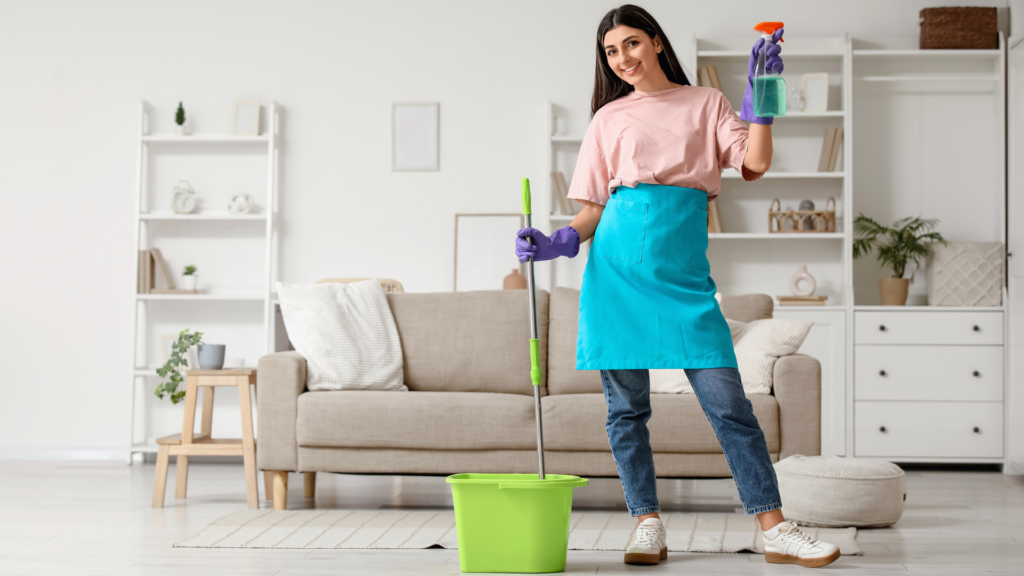
Cleaning your home efficiently saves time and reduces stress. Focus on organizing tasks by priority and using multi-purpose cleaning tools to streamline the process. This approach ensures you cover all areas without unnecessary effort.
A clear plan helps prevent repeated work and makes the task feel manageable. Breaking cleaning into short, focused sessions can improve consistency and keep your space tidy with less strain.
Efficient cleaning is about working smarter, not harder, and maintaining habits that support regular upkeep. This method frees up time for other important activities while keeping your home comfortable and clean.
Why Cleaning Your Home Efficiently Matters
Efficient home cleaning affects more than just the appearance of a space. It influences health, time management, and overall comfort. Understanding these impacts helps prioritize methods that maximize results in less time and with less effort.
Benefits of Streamlined Cleaning
Streamlined cleaning means focusing on tasks that deliver the greatest visible and hygienic impact quickly. Prioritizing high-traffic areas like kitchens and bathrooms reduces grime buildup before it becomes a bigger problem.
Using multitasking tools and products minimizes steps. For example, microfiber cloths can dust and polish surfaces simultaneously, while all-purpose cleaners cut the need for multiple products.
Efficiency also prevents burnout by limiting the time spent cleaning. This helps maintain motivation for regular upkeep, keeping your home consistently clean rather than requiring deep scrubs.
Impact on Health and Well-being
Removing dust, allergens, and bacteria reduces triggers for respiratory issues and allergies. Efficient cleaning targets these contaminants swiftly to maintain a healthier indoor environment.
Cleaning floors and surfaces regularly controls mold and reduces pest attraction. This can lower risks of infections and skin irritations from germs and bugs.
Additionally, an orderly, clean home decreases stress and promotes mental clarity. Knowing your space is hygienic and well cared for can improve peace of mind and overall well-being.
Time and Energy Savings
Efficient cleaning saves valuable time by avoiding unnecessary steps and repetitions. Developing a routine that includes focused spot cleaning cuts down the need for exhaustive deep cleans.
Spreading tasks over shorter sessions conserves physical energy and prevents fatigue. This allows cleaning to fit into busy schedules without becoming overwhelming.
Using the right equipment, like vacuum cleaners with HEPA filters or steam mops, can boost cleaning speed while maintaining quality. Investing effort into planning reduces the total hours spent on chores.
Essential Tools and Supplies for Effective Cleaning
Having the right products and equipment can significantly improve the speed and quality of your cleaning tasks. Choosing efficient tools and supplies tailored to specific jobs ensures better results with less effort.
Must-Have Cleaning Products
Essential cleaning products include all-purpose cleaners, disinfectants, glass cleaners, and degreasers. All-purpose cleaners handle a variety of surfaces like countertops, tiles, and sinks, saving time and storage space.
Disinfectants are crucial for eliminating germs, especially in high-touch areas such as doorknobs and bathroom fixtures. Glass cleaners prevent streaks on mirrors and windows, maintaining clear views and brightness.
Degreasers remove tough oily residues found in kitchens. Keeping these core products organized and readily available helps maintain a swift cleaning routine.
Recommended Equipment
Basic yet effective equipment includes microfiber cloths, scrub brushes, mops, and vacuum cleaners. Microfiber cloths trap dust and dirt without scratching surfaces and can be washed and reused multiple times.
Scrub brushes help remove stubborn grime from tiles and grout, while mops efficiently clean floors, especially those with dirt and spills. Vacuum cleaners with HEPA filters reduce dust and allergens, improving indoor air quality.
A sturdy bucket with a wringer speeds up wet cleaning tasks. Prioritize quality equipment that matches the size of your home and cleaning needs.
Eco-Friendly Alternatives
Using eco-friendly products reduces exposure to harsh chemicals and supports environmental health. Vinegar and baking soda serve as natural cleaning agents for cutting grease and deodorizing.
Plant-based detergents and biodegradable sponges minimize toxic waste. Reusable tools such as washable cloths and brushes with replaceable heads also reduce landfill contributions.
Look for certifications like the EPA’s Safer Choice or Green Seal when purchasing green products to ensure effectiveness and safety. This helps maintain a cleaner home and planet.
Creating a Cleaning Plan
Efficient cleaning starts with organizing tasks, setting a routine, and tailoring methods to each room’s needs. This structured approach saves time and keeps the home consistently tidy.
How to Prioritize Tasks
Begin by listing all cleaning tasks, then rank them based on frequency and importance. Focus first on high-traffic areas and surfaces prone to dirt, such as kitchens and bathrooms.
Separate daily tasks from weekly or monthly chores. For example, wiping counters and washing dishes happen daily, while deep-cleaning appliances or windows can wait longer.
Use a simple categorization like:
- Daily: Sweep floors, tidy clutter
- Weekly: Vacuum carpets, clean bathrooms
- Monthly: Wash curtains, dust vents
Identify any urgent tasks like spills or pet hair to address immediately. Prioritizing keeps you from feeling overwhelmed and ensures essential areas remain clean.
Developing a Cleaning Schedule
Create a realistic schedule that fits your routine. Assign specific tasks to certain days of the week and spread major chores evenly to avoid burnout.
Use digital calendars or printable planners. Block 15-30 minutes for small tasks and longer sessions for deep cleaning.
Example weekly schedule:
| Day | Tasks | Time Required |
| Monday | Kitchen counters, sweep | 20 minutes |
| Wednesday | Vacuum the living room | 30 minutes |
| Friday | Bathroom cleaning | 30 minutes |
| Sunday | Laundry, dust surfaces | 45 minutes |
Adjust as needed for unexpected events or varying energy levels. Consistency is key rather than perfection.
Room-by-Room Strategies
Tailor cleaning methods to each room’s function and materials. Kitchens need degreasing and sanitizing surfaces. Bathrooms require mold prevention and thorough scrubbing.
Living areas benefit from regular dusting and vacuuming to control allergens. Bedrooms often need bed-making and organizing clothes.
For floors, match cleaning tools with the flooring type—vacuum carpets, mop tiles, or hardwood with appropriate cleaners. Use microfiber cloths to trap dust efficiently.
Create a checklist for each room to ensure thoroughness without overdoing any part. This balances deep cleaning with basic upkeep, making the process manageable.
Decluttering Before Cleaning
Clearing out unnecessary items is essential before starting to clean. It creates space and makes the cleaning process more manageable.
Sorting and Organizing Items
Begin by separating items into categories: keep, donate, recycle, or trash. Use clearly labeled boxes or bags to avoid confusion.
Focus on one area at a time, such as a drawer or shelf. This prevents feeling overwhelmed and helps track progress.
Organize the items you plan to keep by functionality or frequency of use. For example, put daily-use items within easy reach and seasonal or rarely used items stored away.
Clear surfaces fully before cleaning to avoid missing spots. Having everything in its place reduces clutter and speeds up future cleaning.
Reducing Clutter for Efficiency
Limit the number of items in each room to reduce cleaning time. Excess possessions create dust collectors and obstacles.
Apply the “one in, one out” rule to prevent accumulation. For every new item brought in, remove one to keep clutter stable.
Use storage solutions like bins, shelves, or drawer dividers to keep items contained. Well-organized spaces make it easier to wipe surfaces and vacuum quickly.
Prioritize areas that collect the most clutter, such as entryways and countertops. Reducing clutter there significantly improves overall cleanliness and visual order.
Efficient Cleaning Techniques
Focusing on order and multitasking can greatly improve cleaning speed and effectiveness. Using structured approaches cuts down wasted effort and missed spots.
Top-to-Bottom Approach
Cleaning from the highest points to the lowest prevents dirt and dust from falling onto cleaned surfaces. Start with ceiling fans, light fixtures, and shelves.
Work your way down to countertops, tables, and finally the floors. This method avoids re-cleaning areas that get dirty again during the process.
Dust and debris naturally fall downward. Tackling upper surfaces first ensures a one-pass clean and better dirt removal overall.
Multi-Tasking Methods
Combine tasks to save time. For example, spray cleaning products on multiple surfaces and let them sit while you do dusting or vacuuming.
Use microfiber cloths that pick up dust and bacteria quickly, reducing the need for repetitive wiping. Switch to a clean side or a fresh cloth to avoid spreading dirt.
Plan cleaning rounds room-by-room, focusing on similar tasks, such as wiping all windows, then moving on to dusting furniture, rather than switching tasks back and forth.
Speed Cleaning Tips
Set a timer to create urgency; 15 to 20 minutes per room prevents lingering. Prioritize visible areas like living spaces and kitchens.
Keep cleaning tools and supplies organized and within reach to avoid stopping mid-task. Use baskets or caddies for easy transport.
Focus on high-traffic zones and surfaces prone to germs. Skip detailed deep cleaning steps during quick cleans to maintain overall tidiness without overextending.
Deep Cleaning Key Areas
Focusing on specific spaces and their unique challenges increases cleaning efficiency. Addressing buildup, stains, and hidden dirt ensures a thorough result in areas prone to grime and bacteria.
Kitchen Deep Clean Steps
Start by clearing countertops and emptying the sink. Use a degreaser or vinegar solution to scrub stovetops, oven interiors, and exhaust hoods, focusing on grease accumulation. Wipe cabinet doors and handles to remove fingerprints and food residues.
Pay special attention to the refrigerator: discard expired items, wipe down shelves with warm soapy water, and clean the drip pan. Floors often hide crumbs and spills; sweep and mop thoroughly. Don’t forget to clean small appliances like microwaves and toasters by removing crumbs and wiping interiors.
Bathroom Deep Cleaning Essentials
Disinfect high-touch areas such as faucets, light switches, and toilet handles. Use a bathroom-specific cleaner to remove soap scum and hard water stains from showers, tubs, and sinks.
Scrub grout lines with a brush and a mixture of baking soda and water to restore their brightness. Clean mirrors and glass with streak-free solutions. Replace or wash shower curtains and mats to reduce mold buildup. Ensure proper ventilation during and after cleaning to prevent moisture damage.
Living Room and Bedroom Focus
Dust all surfaces, including shelves, baseboards, and electronics, using microfiber cloths. Vacuum upholstery and curtains to remove dust mites and allergens.
Pay attention to floors by vacuuming carpets and rugs rigorously, andmoppingp hard floors. Rotate mattresses and vacuum them to reduce dust and improve sleep quality. Organize clutter by sorting items and using storage solutions for easier maintenance later.
Maintaining Cleanliness and Preventing Mess
Keeping a home clean requires consistent, small actions combined with smart storage choices. Building efficient routines and using proper organizational tools can reduce clutter and simplify cleaning.
Daily Habits for a Clean Home
Daily habits focus on minimizing mess before it accumulates. Simple tasks like wiping kitchen counters after use, putting laundry directly in hampers, and making the bed each morning keep surfaces clear.
Spend 5-10 minutes each day tidying high-traffic areas. Emptying trash bins regularly prevents odors and overflow. Always wash dishes or load them into the dishwasher promptly to avoid buildup.
Develop routines such as sorting mail immediately and designating a spot for keys and phones. This reduces clutter and saves time finding items later.
Organizational Solutions
An effective organization is essential for maintaining order. Use labeled bins and drawer dividers to keep items in designated places.
Closets benefit from hangers grouped by category and shelf boxes for accessories. Use vertical space with hooks and over-the-door organizers to maximize storage.
Create a command center with calendars and mail trays to manage paperwork. Clear containers help identify contents quickly, reducing the tendency to accumulate unnecessary items.
| Storage Tool | Purpose | Benefit |
| Labeled bins | Group similar items | Easier access and visibility |
| Drawer dividers | Separate small objects | Prevents clutter |
| Hooks & organizers | Utilize vertical space | Increases storage without bulk |
Time-Saving Cleaning Hacks
Efficient cleaning relies on using short, focused bursts of effort and grouping related chores. Prioritizing fast, effective methods helps reduce overall cleaning time while maintaining good results.
Cleaning With Limited Time
When short on time, focus on high-impact areas first, such as kitchen counters, bathroom sinks, and visible clutter. Use multi-purpose cleaners to avoid switching products.
Set a timer for 10 to 15 minutes and work intensively within that period. This creates a sense of urgency and limits distractions. For floors or surfaces, use microfiber cloths as they pick up dust and dirt quickly without needing harsh scrubbing.
Keep cleaning supplies readily accessible in key areas, so you don’t waste time searching for tools. Small daily routines, like wiping down the stove after cooking, prevent larger messes later.
Batching Similar Tasks
Group tasks that use the same equipment or require similar movements to improve efficiency. For example, dust all surfaces in one room before vacuuming or mopping to avoid double effort.
Batch laundry by sorting all laundry items before starting the wash cycle. While machines run, tackle smaller chores like wiping mirrors or organizing shelves.
Prepare cleaning tools and products in one place to grab everything quickly. This method saves time usually lost in transitioning between different spaces or tasks.
| Task Group | Equipment Needed | Benefit |
| Dusting & wiping | Microfiber cloth, duster | Reduces repeated trips |
| Vacuuming & mopping | Vacuum, mop | Saves time covering floors |
| Laundry | Detergent, sorter | Streamlines the washing process |
Addressing Common Cleaning Challenges
Certain cleaning tasks require specific approaches and products to be effective. Tackling tough spots and busy areas can improve overall cleanliness and reduce maintenance time.
Dealing With Stubborn Stains
Begin by identifying the surface and type of stain before choosing a cleaning agent. Oil-based stains respond well to degreasers, while protein stains like blood benefit from cold water and enzymatic cleaners.
Apply the cleaner directly on the stain and allow it to sit for 5-10 minutes to loosen dirt. Gently scrub with a soft brush or cloth, avoiding damage to delicate fabrics or surfaces.
For carpets and upholstery, avoid over-wetting to prevent mold growth. Blot stains rather than rub to lift them without spreading. Repeat the process if necessary, but test any new product on a hidden area first.
Handling High-Traffic Areas
Focus on frequent, quick cleanings to manage dirt buildup in entryways, hallways, and kitchens. Use a vacuum with strong suction and a brush roll to capture fine and coarse particles from carpets and floors.
Hard floors like tile or wood benefit from daily sweeping with a microfiber mop, which traps dust instead of pushing it around. For heavily used spots, deep clean weekly with a suitable floor cleaner.
Place mats or rugs at entrances to reduce dirt tracked into the home. Regularly wash or shake out these mats to maintain their effectiveness.
Sustainable and Safe Cleaning Practices
Using cleaning methods that protect your health and the environment is critical. Choosing safe products and correctly handling waste ensures an effective and responsible cleaning routine.
Non-Toxic Cleaning Options
Select products labeled as non-toxic, biodegradable, or free from harsh chemicals like ammonia, chlorine bleach, and phthalates. Ingredients such as vinegar, baking soda, and lemon juice are effective natural cleaners and safer for indoor air quality.
Avoid aerosol sprays and strong chemical fragrances, as they can cause respiratory irritation. Store homemade cleaners in clearly marked containers and use gloves when handling any substance to reduce skin contact. Always test new products on a small area before full use.
Proper Disposal of Cleaning Waste
Never pour chemical cleaners down drains or toilets, as they can harm water systems. Collect leftover liquids and solids separately, and use local hazardous waste disposal programs for them.
Recycle empty containers if they are clean and accepted by your local recycling center. For used rags and sponges, wash and reuse them instead of discarding them frequently to reduce landfill waste. Adopting these practices minimizes environmental damage while maintaining safety in your home.