
Designing an energy-efficient home is essential for homeowners seeking to reduce their environmental impact while lowering utility bills. Incorporating energy-efficient features early in the design process can lead to significant long-term savings and a more sustainable living environment. This approach not only benefits the homeowner financially but also contributes positively to the planet.
To create a home that conserves energy, homeowners should consider various aspects such as insulation, windows, and appliances. Choosing high-quality materials and technologies can enhance comfort and efficiency, creating a welcoming atmosphere that aligns with modern sustainable living. By being mindful of design choices, they can make informed decisions that reflect their commitment to energy conservation.
Exploring the latest trends in energy efficiency reveals a wealth of options available today. From passive solar design to advanced heating and cooling systems, the possibilities are vast. Understanding these options empowers homeowners to build or renovate homes that meet their needs while promoting energy efficiency.
Essentials of Home Energy Efficiency
Creating an energy-efficient home requires a focus on several key elements. The building envelope, effective insulation, air sealing, and energy audits play crucial roles in optimizing energy use while maintaining comfort. Each component contributes to reducing energy consumption and improving efficiency.
Understanding the Building Envelope
The building envelope defines the physical barrier between the interior and exterior environments of a home. It includes walls, roofs, windows, and doors, and is essential for regulating temperature and moisture levels.
A well-designed building envelope minimizes heat loss in winter and heat gain in summer. Proper materials and design can also mitigate thermal bridging, which occurs when heat escapes through conductive materials such as metal connections. Using high-quality windows and doors further enhances efficiency by reducing drafts.
The Role of Insulation and Air Sealing
Insulation works by slowing the transfer of heat between the inside and outside of a home. Proper insulation in walls, attics, and floors can prevent significant energy loss. Materials like cellulose, fiberglass, and spray foam insulation each offer different benefits depending on the application. For instance, spray foam insulation stands out for its ability to conform to irregular surfaces, creating a seamless layer of insulation that enhances energy efficiency and reduces thermal bridging.
In addition to insulation, air sealing is essential for optimal energy efficiency. Gaps and cracks allow conditioned air to escape, forcing heating and cooling systems to work harder. Effective sealing with caulking and weatherstripping can greatly reduce energy waste, leading to lower utility bills and improved comfort.
Importance of Energy Audit
An energy audit is a systematic evaluation of energy use within a home. It identifies areas of inefficiency and provides actionable recommendations for improvements. Homeowners benefit from audits by understanding where energy is lost and prioritizing upgrades.
During an audit, a professional may use tools like blower doors and thermographic cameras to detect leaks and assess insulation effectiveness. This analysis leads to targeted improvements, such as better insulation, air sealing, or the upgrade of HVAC systems. Regular energy audits ensure ongoing efficiency as energy needs and technologies evolve.
Design Elements for an Energy-Efficient Home
Integrating specific design elements can significantly enhance the energy efficiency of a home. Key approaches involve passive solar techniques, optimizing lighting, and utilizing smart design principles.
Incorporating Passive Solar Home Design
Passive solar design utilizes the sun’s energy to maintain comfortable indoor temperatures without mechanical systems. This involves strategically placing windows and shades to capture sunlight in winter and block it in summer. Key features include:
- Orientation: Positioning the home to maximize southern exposure for warmth and light.
- Thermal Mass: Using materials like concrete or stone that absorb heat during the day and release it at night.
- Overhangs: Installing eaves or awnings to shade windows during hot months while allowing sunlight in during winter.
These elements collectively reduce heating and cooling costs while enhancing comfort.
Optimizing Natural Light and LED Lighting
Maximizing natural light not only reduces reliance on artificial lighting but also improves the home’s ambiance. Large windows, skylights, and open floor plans can flood spaces with daylight.
To complement natural light, energy-efficient lighting is essential. LED lights are highly effective due to their long lifespan and low energy consumption, typically using 75% less energy than incandescent bulbs. Key points include:
- Placement: Ensure lighting is distributed evenly across spaces to avoid dark spots.
- Dimmers and Timers: Installing these can tailor lighting to specific needs and times, conserving energy when not in use.
Selecting the right balance of natural and artificial light enhances comfort and reduces electricity costs.
Smart Design and Advanced House Framing
Smart design focuses on creating a layout that emphasizes efficiency and sustainability. Advanced house framing techniques reduce the amount of lumber needed while enhancing structural integrity. When planning such a layout, working with reputable builders such as Hallmark Homes Group, can ensure that these techniques are skillfully implemented. Their experience in improving design and construction processes can help in achieving energy efficiency and comfort.
Key elements of such design can include:
- Continuous Insulation: Applying insulation across all structural elements reduces thermal bridging and energy loss.
- Openings and Layout: Designing with fewer but larger openings retains energy and optimizes space usage.
These methods lead to significant reductions in energy consumption, supporting both comfort and ecological responsibility.
Renewable Energy Integration
Integrating renewable energy into home design is essential for reducing energy costs and minimizing environmental impact. Solar panels and other renewable energy sources play a crucial role in this integration, providing sustainable alternatives to traditional energy systems.
Solar Panels and Photovoltaic Systems
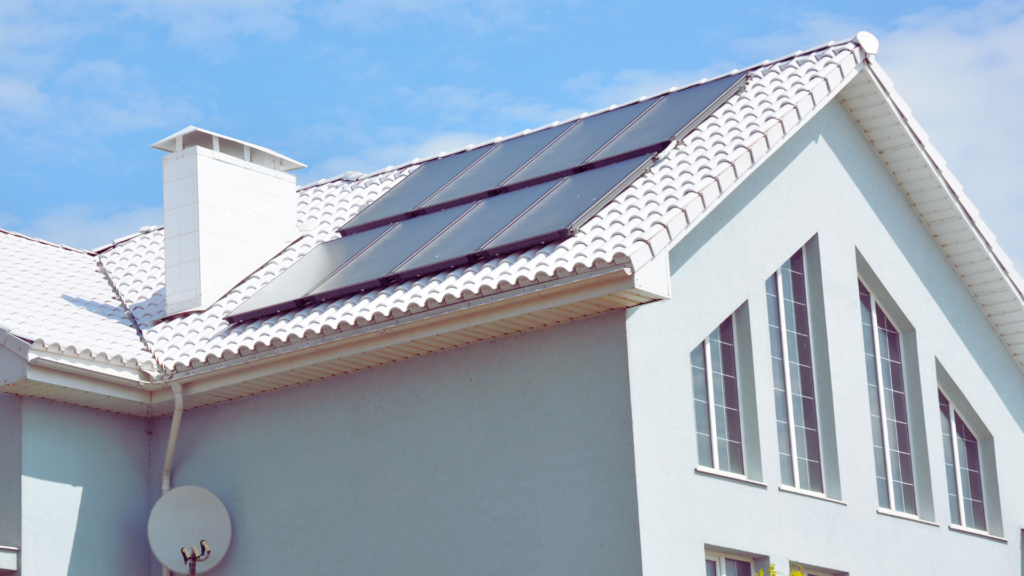
Solar panels are a popular choice for homeowners looking to harness solar energy. Photovoltaic (PV) systems convert sunlight directly into electricity, making them an effective renewable energy source.
Homeowners can select between monocrystalline, polycrystalline, and thin-film solar panels, each with different efficiencies and costs. Proper placement, ideally on a south-facing roof, maximizes sunlight exposure.
Additionally, selecting the right solar inverter is crucial for converting the generated DC electricity into AC for household use. As highlighted by the solar product and installation company BFO Solar, options for inverters generally vary in features and efficiency, with some inverters being better suited for high-performance needs and others optimized for affordability. Pairing the system with reliable battery storage can further enhance energy independence by storing excess power for use during low sunlight periods.
Other Renewable Energy Sources
Aside from solar energy, homeowners can consider additional renewable energy sources. Wind turbines can be effective in areas with consistent winds, generating electricity without emissions.
Geothermal systems utilize the earth’s stable temperature for heating and cooling, offering energy efficiency throughout the year. Biomass energy, derived from organic materials, provides another alternative.
Each renewable energy system can be tailored to specific locations and energy demands, creating a balanced approach to sustainable living. Prioritizing these systems helps in achieving a more energy-efficient home.
Energy-Efficient Systems and Appliances
Energy-efficient systems and appliances play a crucial role in reducing overall energy consumption in homes. Selecting the right HVAC systems and mechanical components, along with advanced appliances, can significantly lower utility bills and enhance comfort. If you live in a high-rise residential building for instance, then you will be aware that they normally have vertical fan coil units, so it would be worth it to get in touch with fan coil manufacturers to see about any repairs that will need doing or if you require a replacement.
Choosing HVAC and Mechanical Systems
Selecting the appropriate HVAC system is vital for maintaining a comfortable indoor environment. A high-efficiency furnace or air conditioning unit can substantially reduce energy use. Look for systems with a high Seasonal Energy Efficiency Ratio (SEER) rating for coolers and the Annual Fuel Utilization Efficiency (AFUE) for heaters.
Key aspects to consider include:
- Size and capacity: An appropriately sized unit ensures optimal performance.
- Maintenance: Regular maintenance enhances efficiency and longevity.
- Ductwork: Ensure ducts are sealed and insulated to prevent leaks.
Investing in modern technologies like variable-speed systems can further enhance energy savings. These systems adjust their output to match demand, reducing energy consumption during low-load periods.
Smart Thermostats and Energy Star Appliances
Smart thermostats are essential for optimizing energy use in homes. They allow users to schedule heating and cooling, reducing energy waste when a home is unoccupied. Features such as learning capabilities adjust settings automatically based on user behavior.
Benefits of smart thermostats include:
- Remote access: Control home temperatures via smartphone apps.
- Data analytics: Monitor energy consumption patterns.
Energy Star-certified appliances are also crucial in promoting energy efficiency. These devices meet rigorous standards for energy use, often consuming less energy than their non-certified counterparts.
When choosing appliances, consider:
- Energy consumption ratings: A clear indicator of efficiency.
- Longevity: Higher quality often means better energy performance over time.
Using these energy-efficient systems and appliances leads to considerable savings and a reduced environmental footprint.