
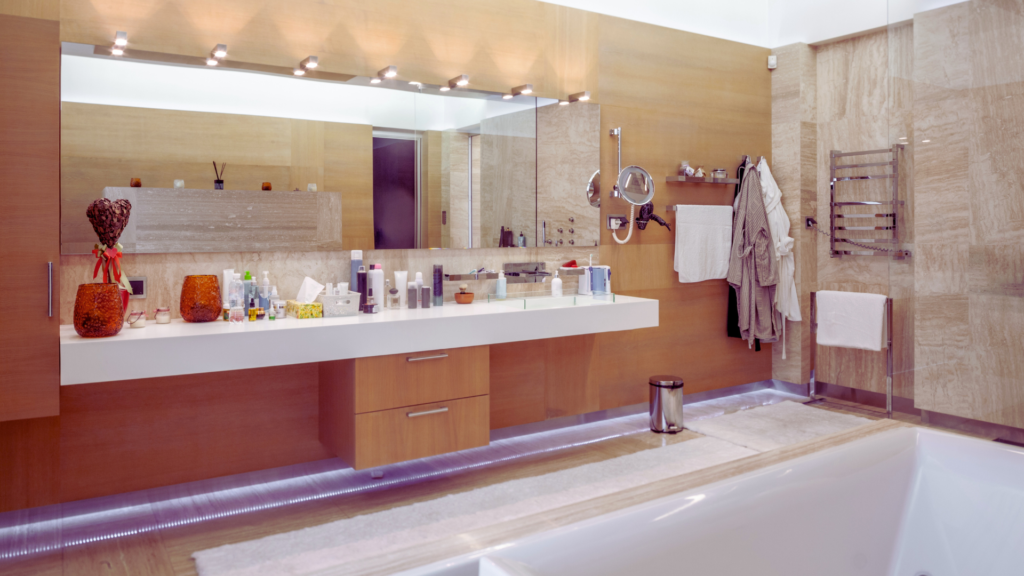
A bathroom is more than just a functional space; it’s a personal sanctuary where one can relax and refresh. For beginners looking to transform their bathrooms, understanding the basics of bathroom design and remodeling can make a significant difference. This guide will provide straightforward insights that help navigate the essentials of a bathroom setup.
Home improvement enthusiasts often highlight the bathroom as one of the most impactful areas to remodel in a home. From selecting the right fixtures to understanding layout options, anyone can enhance both the aesthetic and functionality of this vital space. This guide will cover key elements to consider when embarking on a bathroom project.
Whether it’s a simple update or a full remodel, knowing what options are available empowers individuals to create a bathroom that meets their needs. With the right information, even those new to home improvement can take confident steps toward designing their ideal bathroom retreat.
Planning Your Bathroom Remodel
A successful bathroom remodel begins with careful consideration of expectations and budgeting, followed by creating a design blueprint that reflects personal style and functional needs. These steps lay the foundation for a smooth remodeling process.
Setting Expectations and Budgeting
Establishing a realistic budget is crucial. Homeowners should account for all expenses, including materials, labor, and unexpected costs. A typical breakdown might look like this:
- Materials: 40-60% of the budget
- Labor Costs: 20-35%
- Unexpected Expenses: 10-20%
This approach allows for flexibility while ensuring the project remains financially manageable. It’s important to prepare for potential additions, such as updating plumbing or electrical work. Setting a budget helps prioritize necessary improvements over cosmetic changes, fostering a balanced decision.
Creating Your Design Blueprint
A well-thought-out design plan is essential for a successful remodel. Homeowners should begin by sketching the desired bathroom layout. This includes key elements such as:
- Fixtures: Sink, toilet, shower/tub
- Storage: Cabinets, shelves
- Movement: Space to navigate comfortably
Incorporating a mood board can aid in visualizing the overall aesthetic. Consider color schemes and design elements that create harmony with the home’s existing style. This blueprint acts as a guide throughout the remodel, ensuring all details align with functional needs and personal taste.
Executing the Remodeling Work
When approaching a bathroom remodel, homeowners must decide whether to tackle tasks through DIY efforts or hire professionals, while also planning for the critical construction stages involved. These decisions directly affect the project’s timeline, budget, and the quality of the finished bathroom.
For instance, while simpler tasks like painting can often be handled by homeowners, plumbing work, especially tasks involving water lines, might require professional expertise to ensure proper installation, prevent leaks, and comply with building codes. In such cases, visiting websites like https://callmilestone.com/ could provide you with the necessary expertise to handle these complex tasks effectively.
Taking the DIY Route vs. Hiring Professionals
Choosing to remodel a bathroom involves evaluating whether to tackle the project personally or to enlist professional help. A DIY bathroom remodel allows for greater control over the design and potentially lowers costs. Key tasks may include demolition, painting, cabinetry installation, and selecting new fixtures. However, this route requires a significant time investment and mastery of various skills, particularly for basic plumbing and electrical work.
If opting for professionals, it is essential to research contractors with the right licensing and insurance, and learn about the services they provide to ensure that they align with what you need doing. Professionals can navigate challenges in plumbing and electrical tasks more effectively, ensuring safety and compliance. Engaging experts for complex jobs, such as installing quartz countertops or major plumbing fixtures, can prevent costly mistakes.
Critical Stages in Construction and Renovation
Executing a bathroom remodel involves several critical stages, each requiring careful attention. The first phase is demolition, which includes removing old fixtures and preparing the area for renovation. This stage establishes a clean slate and allows for an assessment of underlying issues.
Following demolition, ensuring that plumbing and electrical layouts meet local codes is crucial. Working with a plumber near you to ensure the proper installation of plumbing fixtures and electrical work should occur before major installations. After this, cabinetry and countertops can be installed, with quartz countertops being a popular choice for durability and aesthetics.
The final stages involve painting and adding finishing touches. Choosing high-quality paint and correct fixtures enhances the bathroom’s functionality and style. Implementing these stages methodically ensures a successful remodel that meets expectations.
Designing for Aesthetics and Functionality
A well-designed bathroom balances aesthetic appeal with practical elements. This section focuses on selecting the right fixtures and materials, along with ensuring effective light and airflow.
Choosing the Right Fixtures and Materials
The choice of fixtures and materials significantly influences the bathroom’s look and functionality. Important aspects include durability, style, and ease of maintenance.
- Shower/Tub: Consider a walk-in shower for modern aesthetics and safety. Bathtubs can add comfort, so select one that fits the space and design.
- Fixtures and Fittings: Choose visually appealing faucets and lighting. Materials like chrome, brass, and matte black can enhance the overall look. Opt for water-efficient fixtures to promote sustainability.
- Flooring and Walls: Tiles are a common choice due to their durability and variety. Use water-resistant materials to ensure longevity.
Incorporating Light and Air Flow
Natural light and ventilation are essential for a functional bathroom. They contribute to a fresh feel and improve the overall ambiance. Without installation of proper ventilation, you may find yourself needing Mold Removal in Washington, NJ or somewhere local to you in the future.
- Natural Light: Incorporate windows or skylights to maximize daylight. Using frosted glass can maintain privacy while allowing light in.
- Ventilation: Install an exhaust fan to reduce humidity and prevent mold growth. Position vents strategically to ensure adequate air circulation.
- Lighting Design: Use layered lighting, such as overhead fixtures combined with sconces, to create a warm environment. Adjust brightness levels to enhance the mood during different times of the day.
Final Touches and Consideration
Attention to detail makes a significant impact in a bathroom renovation. This section explores the finishing elements that enhance design and mindfulness regarding potential challenges.
Adding the Finishing Touches
Incorporating design elements is crucial for a polished look. Accessories like towel racks, mirrors, and lighting fixtures should complement the overall theme. Choosing finishes that match the existing color palette enhances cohesion.
Consider these ideas:
- Mirrors: A well-placed mirror can create an illusion of space.
- Lighting: Layered lighting, including ambient, task, and accent options, improves functionality and aesthetics.
- Towels and Rugs: Soft linens in cohesive colors add warmth and texture.
The selection of high-quality fixtures might incur unexpected expenses. Budgeting for these items prevents financial strain. Make sure to factor in costs like installation or necessary adjustments to plumbing.
Preparing for Challenges and Delays
Bathroom renovations can encounter various challenges. A realistic timeline is essential to manage expectations. It’s wise to anticipate potential delays due to material availability or contractor schedules.
Key considerations include:
- Unexpected Expenses: Always allocate a percentage of the budget for unforeseen costs, such as water damage repairs or additional labor.
- Material Choices: Selecting readily available materials can mitigate delays.
- Contractor Communication: Establish clear timelines and maintain regular contact to address issues proactively.
By planning for these factors, one can ensure a smoother renovation experience.