
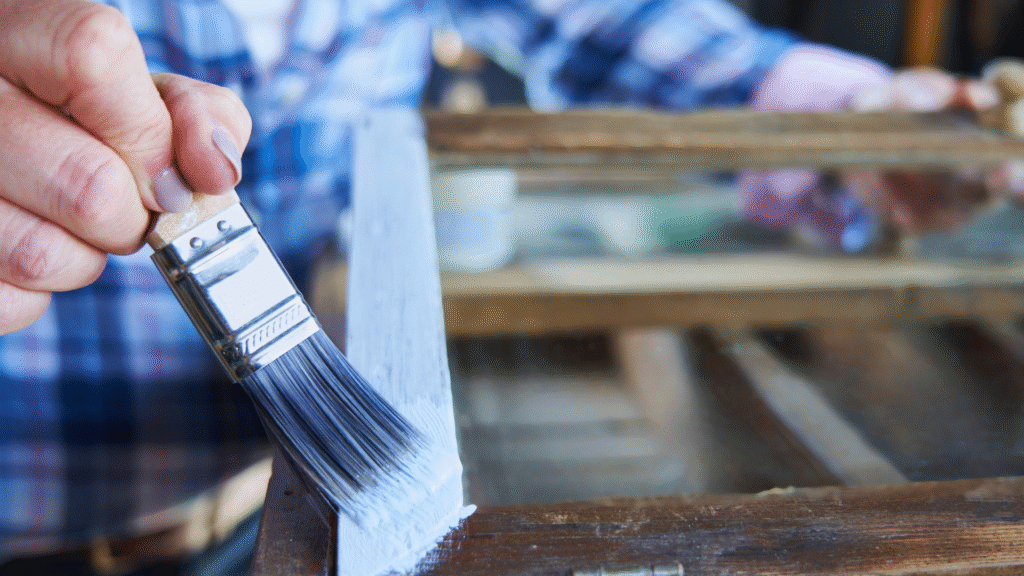
Upcycling furniture offers a practical and creative way to breathe new life into old pieces. Transforming worn-out items into beautiful, functional decor not only saves money but also reduces waste. With a little imagination and some basic tools, anyone can turn an outdated chair or table into a stunning centerpiece that reflects their personal style.
Many people are unaware of the range of techniques available for upcycling. From painting and distressing to reupholstering and adding unique hardware, each method can significantly enhance the aesthetic of old furniture. Exploring these techniques will unlock the potential hidden within forgotten items, making the process both enjoyable and rewarding.
Apart from benefiting personal spaces, upcycling furniture also supports sustainable living. By choosing to revamp rather than discard, individuals contribute to a culture of reuse and mindful consumption. This commitment to sustainability inspires others to rethink their furniture choices and promotes unique, tailored home environments.
Essential Upcycling Furniture Preparation Tips
Preparing to upcycle furniture involves careful planning and organization. Key steps include choosing the right pieces, gathering necessary tools, and ensuring that the items are clean and functional.
Selecting Suitable Pieces for Upcycling
When selecting furniture for upcycling, it is vital to identify pieces that have potential. Look for items with solid structures, such as wooden chairs or dressers, as they can withstand transformations.
Pay attention to unique designs or interesting hardware that can enhance the final look.
Consider the following:
- Condition: Ensure pieces are not heavily damaged beyond repair.
- Size: Choose items that fit the intended space.
- Style: Look for pieces that can complement existing décor or set a new trend.
Gathering Tools and Eco-Friendly Materials
Focusing on eco-friendly materials supports sustainability while upcycling. Gather essential tools such as sandpaper, paintbrushes, and a staple gun.
Recommended tools include:
- Paint Sprayer: For even coating of surfaces.
- Screwdrivers: For assembly and modifications.
- Clamps: To hold parts steady during repairs.
When selecting materials, look for non-toxic paints and finishes. Use reclaimed wood or recycled hardware to maintain an eco-conscious approach.
Cleaning and Repairing Old Furniture
Before starting any upcycling project, cleanliness is crucial. Dust and dirt can affect paint adhesion and the final finish. Use a mild soap solution for surfaces, followed by thorough drying.
Repairing any damage is next. Fill small holes with wood filler and sand smooth. Tighten loose joints to ensure the piece is stable.
Important steps include:
- Assessing the Surface: Check for scratches or chips.
- Removing Old Finishes: Stripping paint or varnish can create a clean slate.
- Degreasing: Clean greasy spots, especially on kitchen items.
Following these preparation tips will help ensure a successful upcycling project.
Creative Upcycling Techniques for Beginners
Beginning the upcycling journey can feel daunting, but there are accessible techniques that yield impressive results. By employing simple methods such as sanding, painting, and adding new hardware, anyone can breathe new life into old furniture.
Sanding and Surface Treatments
Sanding is a foundational technique in upcycling. It removes old paint, stains, and imperfections, revealing a fresh surface ready for transformation. Hand-sanding or using an electric sander are both effective methods.
- Start with Coarse Grit: Use 80-120 grit sandpaper to remove rough textures and old finishes.
- Progress to Fine Grit: Move to 220 grit for a smooth finish.
- Dust Removal: Always wipe down the surface with a damp cloth to remove dust before applying any treatment.
For additional appeal, consider applying a wood conditioner before staining. This helps the wood absorb product uniformly, resulting in a richer finish.
Painting, Staining, and Decorative Finishes
Painting and staining provide endless creative opportunities. For those new to this process, selecting the right type of paint or stain is crucial.
- Chalk Paint for Vintage Looks: This paint adheres well to various surfaces and can create a matte finish.
- Oil-Based Stains for Depth: These stains emphasize the wood’s natural grain and can be layered for a customized look.
- Adding Decorative Finishes: Techniques like distressing, stenciling, or using decoupage add unique character to the furniture.
Experimenting with different finishes can yield surprising results. It’s advisable to test products on a small, inconspicuous area first.
Adding New Hardware or Accents
Incorporating new hardware can completely change the look of a piece. Handles, knobs, and hinges are easily replaced.
- Assess the Style: Choose hardware that complements the furniture’s design, whether modern, vintage, or industrial.
- Mix and Match: Combining different styles of knobs or handles can create an eclectic look.
- Consider Size and Scale: Ensure that new hardware is proportionate to the piece.
Additionally, adding accents such as decorative trims or stencils can enhance visual appeal. These details can transform plain furniture into standout pieces.
Combining Multiple Pieces for Unique Designs
Combining multiple furniture items can produce unique and functional designs. This technique encourages creativity and maximizes resources.
- Create a Coffee Table from Two Side Tables: Merging elements can create new functionalities.
- Stacked Bookcases for Custom Storage: Use mismatched shelves to add variety.
- Repurpose Old Chairs into a Bench: Connect them with a smooth surface for extra seating.
When merging pieces, ensure stability and reinforce connections for durability. This approach offers flexibility in design and functionality, making it ideal for any beginner.
Advanced Upcycling Ideas for Experienced DIYers
Experienced DIYers can elevate their upcycling projects through innovative techniques. The following ideas focus on sustainable practices and creative repurposing, allowing for unique, eco-friendly furniture transformations.
Reupholstering With Sustainable Fabrics
Utilizing sustainable fabrics gives new life to old furniture while minimizing environmental impact. Options include organic cotton, hemp, or recycled polyester. These materials not only offer durability but also a range of aesthetic choices.
When reupholstering, it’s essential to strip the old fabric and inspect the underlying material. This ensures the structure remains sound. Techniques such as double-stitching or using upholstery tacks can enhance the overall design. Color and texture should complement the existing decor, creating a cohesive look.
Before starting, gather the necessary tools: a staple gun, scissors, and a measuring tape. Proper planning and execution can result in a stunning statement piece.
Repurposing Furniture for New Uses
Repurposing involves transforming furniture items into functional pieces tailored to current needs. For example, an old dresser can become a chic TV stand, or a bookshelf might serve as a room divider.
To begin, assess the original furniture for potential adaptations. Detach drawers and replace hardware for a fresh update. Adding wheels to a piece allows for mobility, enhancing usability.
Before beginning any project, especially when dealing with older, salvaged, or outdoor furniture, it might be wise to inspect the piece for pests, as furniture stored in basements or garages can sometimes harbor insects or rodents. If you find any evidence of infestation, consider reaching out to an exterminator in Glen Allen or your local area to ensure the piece is clean and safe to bring indoors to work on.
DIYers may also consider combining multiple items, such as turning two nightstands into a bench. This approach can be both practical and visually appealing. Ensure structural integrity by reinforcing with nails or screws where necessary.
Incorporating Mixed Media and Artistic Techniques
Mixed media allows for creative freedom in furniture design. Combining various materials, like wood, metal, and glass, results in stunning and unique pieces. For instance, a wooden table can gain character with a painted abstract design or decoupage.
Artistic techniques, such as stenciling or distressing, can be employed to enhance visual appeal. Using colors that resonate with the surrounding decor helps unify the space. Texture can also be introduced through materials like fabrics or natural elements.
Those interested in this approach should experiment with placement and balance. This experimentation can lead to one-of-a-kind furniture that stands out in any space.
Maintaining and Showcasing Upcycled Furniture
Upcycled furniture can be a stunning addition to any space. Proper maintenance and presentation enhance its aesthetic and longevity. Techniques for protecting finishes and tips for effective styling are essential for maximizing the impact of these creative pieces.
Protecting Finishes and Durability Tips
To ensure the longevity of upcycled furniture, selecting the right protective finish matters. Options like water-based polyurethane or shellac provide a durable barrier against scratches and moisture.
- Regular Cleaning: Use a damp cloth to remove dust. Avoid harsh chemicals that can damage the finish.
- Temperature and Humidity Control: Keeping the furniture in a stable environment can prevent warping or splitting.
- Use Coasters and Liners: To prevent water rings and heat damage, using coasters under drinks is essential.
Routine inspection for wear is crucial. Minor scratches can often be repaired with touch-up paint or filler.
Styling Upcycled Pieces in Your Space
Incorporating upcycled furniture into a home requires thoughtful styling. A well-placed piece can serve as a focal point or complement existing décor.
- Mixing Styles: Blend upcycled items with contemporary pieces for an eclectic look.
- Color Coordination: Use paint or fabric to match or contrast with the room’s palette.
- Layering Textures: Adding textiles like cushions or throws can enhance visual interest.
Group smaller items to create vignettes, making them more engaging to the eye. Effective use of lighting can also accentuate the furniture’s details.
Sharing and Selling Your Creations
For those interested in sharing or selling their upcycled furniture, a strategic approach is necessary. Creating an online presence can enhance visibility.
- Photography: High-quality images showcasing different angles attract potential buyers.
- Online Marketplaces: Platforms like Etsy or Facebook Marketplace provide ideal venues for selling.
- Social Media Promotion: Sharing the process of upcycling can engage audiences and increase interest.
Consider attending local craft fairs where upcycled furniture can be displayed. Building a story around each piece adds emotional value, making it more appealing to buyers.