
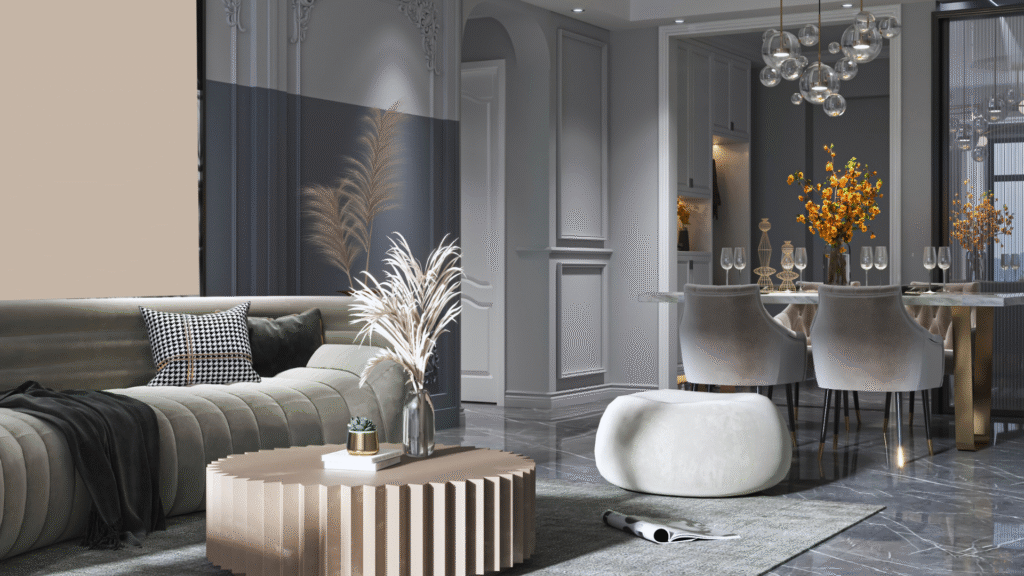
Incorporating texture into home interiors is an effective way to create depth and interest in any space. Using a variety of textures can transform a flat design into a dynamic environment that feels inviting and stylish. From soft fabrics to rugged finishes, texture plays a vital role in making a home feel cohesive and thoughtfully designed.
Textures can be layered seamlessly, allowing individuals to express their unique style. Combining elements such as smooth stone, plush textiles, and natural wood invites a tactile experience that can enhance both the visual appeal and comfort of a room. Incorporating contrasting textures like woven fabrics, metals, or layered rugs can create visual interest and help define different zones within a space.
Thoughtful layering also adds warmth and dimension, making interiors feel more dynamic, inviting, and reflective of personal style. With careful selection, one can elevate any interior, making it not just a space to live in but one that resonates with personality. For someone looking for guidance, companies like boconcept sydney (or others), which provides modern furniture and interior design solutions, can help combine textures and materials to achieve a cohesive and stylish home.
Designers often emphasize the importance of texture in achieving balance and harmony. When done right, the interplay of different materials can tie together various features within the home, leading to an enriched atmosphere. Utilizing textures strategically ensures that each area tells its own story while remaining part of a unified design vision.
The Fundamentals of Texture in Interior Design
Texture plays a crucial role in transforming interior spaces. It enhances visual interest, contributes to the sensory experience, and profoundly affects the ambiance of a room. Understanding its fundamentals can significantly elevate interior design.
Understanding the Role of Texture
Texture refers to the surface quality of materials. It can be visual or tactile, impacting how one perceives a space. Different textures evoke various feelings and can set the tone for a room.
- Types of Texture:
- Tactile: Felt through touch, such as soft textiles or rough walls.
- Visual: Seen rather than felt, like the patterns on a wallpaper.
Incorporating a variety of textures creates depth. When blended correctly, it can lead to a more engaging atmosphere in any interior setting.
Visual and Sensory Impact
The visual and sensory impact of texture is profound. It influences how individuals respond to their surroundings. A mix of textures can draw the eye and invite touch, fostering a connection with the space.
- Creating Contrast: Combining rough and smooth surfaces adds dimension.
- Enhancing Lighting: Textured surfaces can reflect or absorb light differently, changing the perceived warmth of a space.
For instance, pairing a sleek sofa with a chunky knit throw creates balance and intrigue. This interplay of textures engages the senses and enhances overall comfort.
Texture and Aesthetics
Texture significantly contributes to the aesthetics of interior design. It affects color perception and the overall design scheme. Soft textures can create a cozy vibe, while hard surfaces may lend a modern and sophisticated look.
- Layering Textures:
- Use a variety of materials in furniture, decor, and textiles.
- Combine different textiles, such as velvet, wood, and metal, for a rich appearance.
- Color Interaction:
- Textures can shift color perception.
- A matte finish might seem more subdued compared to a glossy one.
Thoughtful texture selection enhances visual appeal. It provides a unique character to spaces, aligning with personal taste and functional needs.
Practical Ways to Use Texture to Transform Your Home
Incorporating texture can elevate a home’s aesthetic significantly. Practical applications involve layering materials, selecting appropriate textiles, and blending natural and man-made elements to create a warm and inviting living space.
Layering Different Materials
Layering various materials adds depth to a room. For instance, combining wood, glass, and metal creates a rich visual experience.
- Use wooden furniture for warmth.
- Incorporate glass accents for light and transparency.
- Add metal fixtures for a modern edge.
Each material contributes its unique character. A wooden coffee table paired with sleek metal stools provides contrast and balance. Mixing textures fosters a cozy environment while enhancing durability in design.
Choosing Textiles and Rugs
Textiles play a crucial role in establishing comfort and style. Selecting the right rugs and fabrics can unify a space.
- Opt for plush fabrics like velvet or boucle for seating.
- Choose durable outdoor rugs for high-traffic areas.
Layer rugs to add interest; a smaller patterned rug atop a larger neutral one can create visual intrigue. Incorporate textiles with sentimental value, such as family heirloom quilts, to personalize the decor. These elements offer softness, contributing to a warm atmosphere.
Incorporating Natural and Man-Made Elements
Blending natural and man-made textures fosters harmony in decor. Consider using natural materials like stone or rattan alongside sleek modern designs.
- Use stone countertops for a timeless look.
- Incorporate woven baskets for added texture.
This combination enriches the living space. The warmth of wood accents contrasted with a minimalist metal light fixture illustrates this balance. Such diversity ensures the home feels both stylish and personal, creating a unique environment.
Elevating Key Spaces with Texture
Incorporating texture into key spaces can significantly enhance a home’s aesthetic appeal. This involves thoughtful choices for walls, ceilings, and flooring that create visual interest and tactile variety.
Textured Walls and Accent Features
Textured walls serve as striking focal points that can transform a room’s atmosphere. Various options exist, such as geometric patterns, motifs, or even sophisticated wallpapers that introduce depth and richness. For example, a feature wall can be created using a bold, textured finish like stucco or a soft fabric paneling for added warmth.
Accent walls can utilize contrasting textures to draw attention. Pairing a smooth wall with a deeply textured one can create a dynamic interplay. Neutral colors might enhance the texture’s impact, while bolder colors can make a more dramatic statement.
Choosing the right materials for these walls is a big part of the process. However, the success of high end finishes can depend entirely on the quality of the surface beneath it. Uneven seams or poor taping can ruin the most expensive wallpaper or plaster. Hiring an experienced drywall contractor can ensure that the walls are perfectly prepped and structurally sound to provide a flawless canvas for your decorative textures.
This technical foundation is what allows design professionals to experiment with aesthetic layers. Once the surfaces are primed, a team like Haus Interior Design can leverage their experience with these types of projects to help homeowners pick the right balance of finish and color. By analyzing how light hits a perfectly prepared surface and how it changes the mood of the space, they ensure that the creative vision and the structural craftsmanship work in harmony. This collaborative approach makes sure the final result is exactly what the homeowner wants.
Choosing Textured Flooring and Ceilings
Textured flooring options add dimension and comfort to key spaces. Choices include wood planks with a distressed finish, tiles with a natural stone effect, or carpets featuring textured weaves. These elements contribute to a layered look that invites tactile engagement and enhances warmth.
Ceilings can also benefit from texture. Options like coffered ceilings or beams can create an eye-catching effect. Adding subtle textures such as plaster finishes or wood paneling enhances visual interest while maintaining balance within the space.
When picking flooring and ceilings, ensure they harmonize with the overall design vision, using color and texture to elevate the home’s character.
Final Touches: Accessories and Styling Tips
Accessories play a vital role in enhancing the texture and visual appeal of a home. Thoughtful selections can create harmony and elevate the overall ambiance. The following sections highlight key elements to consider for a polished look.
Curtains, Throws, and Cushions for Visual Appeal
Curtains are essential in framing windows and establishing a mood. Sheer fabrics allow natural light while creating a soft, inviting atmosphere. Heavier materials add warmth and depth, making the space feel cozier.
Throws and cushions offer flexible options for introducing texture. Fabrics like velvet or chunky knits can contrast with smooth surfaces, enhancing the tactile experience. Placing cushions in varying sizes and shapes creates interest and encourages relaxation.
Layering these elements can amplify comfort and style. For example, a plush throw over a sleek couch not only adds warmth but also creates layers of visual depth.
Creating Balance with Colour and Texture
Balancing color and texture is crucial for cohesive design. Using a consistent color palette allows for easy integration of various materials. Neutral tones can serve as a backdrop, letting bolder accents shine.
Texture should complement colors to enhance visual interest. For instance, pairing a matte finish with glossy accents can create dynamic contrasts. Mixing soft fabrics with hard surfaces, like wood or metal, provides a tactile balance that invigorates the space.
A strategic approach to positioning these elements can transform the ambiance. Grouping accessories by texture or color can create focal points that draw the eye, ensuring a harmonious flow throughout the room.