
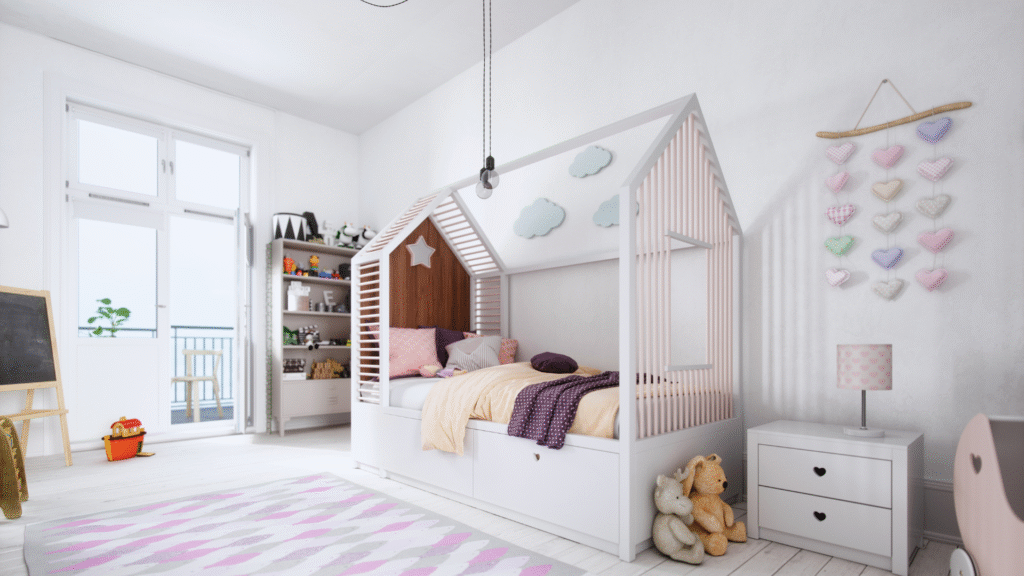
Choosing the right rug size and style can significantly impact the aesthetics and functionality of any room. The correct rug not only defines a space but also enhances its overall decor, making it essential to consider both dimensions and design.
For living rooms, a larger rug that fits under key furniture elements can create a cohesive look, while in smaller spaces, a well-placed accent rug can add character without overwhelming the area. Additionally, understanding the room’s purpose plays a vital role in selecting the appropriate style and material.
Exploring different patterns and textures can lead to a unique design statement. By thoughtfully choosing a rug that complements existing furniture and decor, one can achieve a harmonious and inviting atmosphere in any room.
Essential Factors When Choosing Rug Size and Shape
Selecting the appropriate rug size and shape is crucial for enhancing a room’s aesthetic and functionality. Key factors include room dimensions, furniture arrangement, and traffic flow. Each of these elements will influence the best rug decision.
Assessing Room Dimensions
Room dimensions play a vital role in rug selection. A rug should complement the scale of the room without overwhelming or underwhelming the space. For smaller rooms, consider using a rug that anchors the key furniture pieces while allowing the flooring to show.
For larger rooms, choosing a bigger area rug can help unify distinct zones and create a cohesive look. Measure the space carefully, noting the length and width, which helps to ensure that the rug fits comfortably without crowding the area.
Understanding Furniture Arrangement
Furniture arrangement significantly impacts rug size and shape. The rug should interact harmoniously with existing furniture. Typically, a good rule is to place the front legs of furniture on the rug, which helps ground the seating area and define the space effectively.
In a living room setup, an 8×10 or 9×12 area rug often works well. It provides enough space for larger pieces while allowing for movement around them. For dining rooms, ensure the rug extends at least 24 inches beyond the table for comfortable chair movement.
Evaluating Traffic Flow
Traffic flow is essential when selecting a rug. High-traffic areas require durable materials that can withstand wear and tear. Choosing a low-pile or flat-weave rug can help prevent tripping hazards while maintaining style.
It’s also important to position the rug in a way that allows for easy movement between rooms. A well-placed rug should not obstruct walkways or doorways. Create a clear path by selecting sizes that leave adequate space for walking, ensuring a functional and inviting environment.
Selecting the Ideal Rug Style and Material
Choosing the right rug style and material is essential for achieving a cohesive look in any room. The rug serves not only as a decorative element but also impacts comfort and texture.
Matching Rug Styles to Interior Design
It’s important to align rug styles with the existing interior design. For modern spaces, minimalist rugs with geometric patterns work well. In contrast, traditional rooms may benefit from intricate designs or Persian rugs.
Key considerations include:
- Color Palette: Match the rug colors to complement or contrast with furniture and walls.
- Style Cohesion: Select a rug that reflects the room’s theme—rustic, industrial, or bohemian.
This thoughtful approach ties the decor together and enhances visual appeal.
Choosing the Right Rug Material
Rug materials greatly affect durability, maintenance, and aesthetics. Wool, for example, is soft underfoot and durable, perfect for high-traffic areas. Synthetic materials like nylon or polypropylene offer stain resistance, ideal for homes with children or pets.
Common materials include:
- Wool: Warm and soft; great for comfort.
- Cotton: Lightweight, easy to clean, and best for casual spaces.
- Jute: Natural fibers; adds an organic touch.
Selecting the right material can make a difference in both look and functionality.
Considering Texture and Comfort
Texture enhances the sensory experience of a room. A plush rug invites comfort, while flatweave options provide a sleek appearance. The choice impacts how the space feels underfoot and can influence the overall ambiance.
Consider the following aspects:
- Pile Height: Higher piles offer more cushioning but may be more challenging to clean.
- Surface Feel: Consider whether a soft texture or a denser one suits the intended use of the space.
Incorporating the right texture can significantly enhance comfort and add depth to the room’s design.
Room-By-Room Rug Size and Placement Guide
Selecting the right rug size and style varies by room. This guide will address specific considerations for the living room and bedroom, focusing on optimal placements and sizes for effective design.
Living Room Rug Options
In living rooms, rugs can define seating areas and create a cohesive look. The ideal rug size typically allows the front legs of sofas and chairs to sit on it.
- Common Sizes:
- 5×8 feet for smaller spaces.
- 8×10 feet for standard living rooms.
- 9×12 feet for larger configurations.
Placement should ensure that the area feels grounded. A centered rug under a coffee table works well. It looks balanced and pulls the seating arrangement together.
Accent rugs can also enhance decor, offering styles that highlight personal taste. Consider using layer techniques with a larger base rug and smaller accent rugs for added texture and color contrast.
Bedroom Rug Considerations
Rugs in bedrooms serve both aesthetic and functional purposes. A large area rug can create warmth and comfort underfoot.
- Common Sizes:
- 5×8 feet for smaller bedrooms.
- 8×10 feet for medium-sized spaces.
- 9×12 feet for master bedrooms.
Position the rug either under the bed or at the foot to maximize comfort when getting in and out. A runner rug can also be utilized alongside the bed for a stylish touch.
For a cohesive design, try matching rug colors with bedding and curtains. The right rug enhances the room’s overall ambiance and contributes to a relaxing environment.
Rug Pads and Accessory Essentials
Rug pads are often overlooked but play a crucial role in enhancing the functionality and longevity of area rugs. Accessories such as pads provide stability, comfort, and protection for both the rug and the flooring beneath it.
Benefits of Rug Pads
Rug pads offer several advantages that elevate the experience of using area rugs.
- Safety and Stability: They prevent slipping, which reduces the risk of falls. A well-placed rug pad keeps the rug securely in position.
- Comfort: A quality pad adds cushioning, making rugs feel softer underfoot. This is particularly beneficial in high-traffic areas.
- Floor Protection: Rug pads can protect flooring from scratches and wear, especially on hardwood or tile surfaces.
- Rug Longevity: By providing a buffer against the ground, pads reduce fraying and wear on the rug fabric, preserving its appearance.
How to Choose the Right Rug Pad
Choosing the right rug pad involves considering various aspects to ensure optimal performance.
- Material: Common materials include felt, rubber, and a combination of both. Felt provides cushioning, while rubber offers grip.
- Thickness: Thicker pads offer more cushioning but might raise the rug’s height. Consider the room’s decor for a balanced look.
- Size: The pad should be slightly smaller than the rug to keep edges clean. A good rule is to leave a 1-2 inch perimeter.
- Intended Use: For high-traffic areas, opt for a durable, thick pad. For low-traffic spaces, a thinner pad may suffice.
Selecting the right rug pad enhances the comfort and functionality of area rugs, making it an essential aspect of interior design.