
Managing a busy household can be challenging, especially when trying to keep everything tidy and functional. Families often struggle with clutter and disorganization, which can lead to stress and wasted time looking for things.
The key to effective home organization for families is creating simple, consistent systems that everyone can follow. This approach helps maintain order and reduces chaos without requiring major daily effort.
By focusing on practical tips tailored to family life, this post will help make your home more manageable and enjoyable for everyone living there.
Creating a Family Organization System
Designing an effective system for family organization depends on understanding daily needs, arranging spaces efficiently, and defining each member’s responsibilities. These steps improve cooperation and reduce chaos around the house.
Assessing Family Needs
Start by identifying the unique needs of each family member. Consider schedules, activities, and special requirements like allergy-friendly zones or homework areas.
Make a list of routine tasks and potential problem spots, such as clutter hotspots or overlapping use of shared spaces. This list highlights priorities for organizing efforts.
Regularly update this assessment to adapt to changes, like new school activities or work shifts. A clear understanding of needs prevents disorganization and missed tasks.
Establishing Household Zones
Divide the home into specific zones for activities like studying, relaxing, and preparing meals. Each zone should have defined boundaries and dedicated storage.
Use labeled bins, shelves, or baskets to keep items related to each zone together. For example, keep school supplies in the study area and kitchen tools near the cooking station.
Define clear traffic paths between zones to avoid congestion. This setup reduces clutter and increases efficiency by ensuring everyone knows where to find and return items.
Assigning Roles and Responsibilities
Assign age-appropriate chores and tasks to each family member. Use a chart or checklist to clarify responsibilities and deadlines.
Rotate tasks periodically to balance workload and teach diverse skills. For example, alternate cooking assistance and laundry duties weekly.
Hold brief weekly meetings to review progress, address challenges, and adjust roles as necessary. Clear roles support accountability and foster a cooperative household.
Decluttering Strategies for Families
Effective decluttering requires practical methods for sorting belongings, clear spaces for donations and storage, and solid habits to keep clutter at bay. Each step focuses on managing items efficiently while involving every family member.
Sorting and Purging Methods
Start by dividing belongings into four categories: Keep, Donate, Sell, and Trash. Use labeled bins or boxes to avoid confusion during sorting.
Set specific time limits for each sorting session to avoid burnout, especially with children involved. Focus on one room or category at a time, like clothes or toys, to maintain momentum.
Involve everyone by establishing simple criteria: Has the item been used in the past six months? Does it hold value or meaning? This makes decisions clearer and reduces unnecessary arguments.
Designating Donation and Storage Areas
Create dedicated spots for donation items, preferably near the exit or garage. Use a clearly marked bin or bag that family members can add to regularly.
For storage, choose accessible yet discreet places such as under beds, closets, or labeled bins stacked neatly. Avoid overpacking these spaces to ensure items remain retrievable.
Set a schedule to drop off donations regularly—monthly or quarterly. This prevents buildup and keeps the system functioning smoothly over time.
Maintaining a Clutter-Free Home
Implement daily 10-minute tidy-ups focused on common clutter hotspots like entryways and kitchen counters. Involve all family members by assigning simple tasks aligned with their abilities.
Use a “one in, one out” rule for new items entering the home. This helps keep the total number of belongings stable and manageable.
Regularly review your storage and donation areas. Adjust as needed to accommodate changes like new family members or seasonal items. This keeps systems efficient and responsive to evolving needs.
Smart Storage Solutions
Effective storage can significantly improve a family’s daily routine by keeping items accessible and spaces clutter-free. Using often-overlooked areas, multifunctional furniture, and clear organization systems helps maintain order and makes cleanup faster and easier.
Maximizing Vertical Space
Vertical space is a valuable resource, especially in smaller homes. Installing tall shelves or wall-mounted storage units allows families to store items without sacrificing floor area.
Hooks, pegboards, and hanging baskets can be used in kitchens, playrooms, or entryways to keep essentials within reach but off surfaces. For example, a wall-mounted bike rack frees floor space in garages or mudrooms.
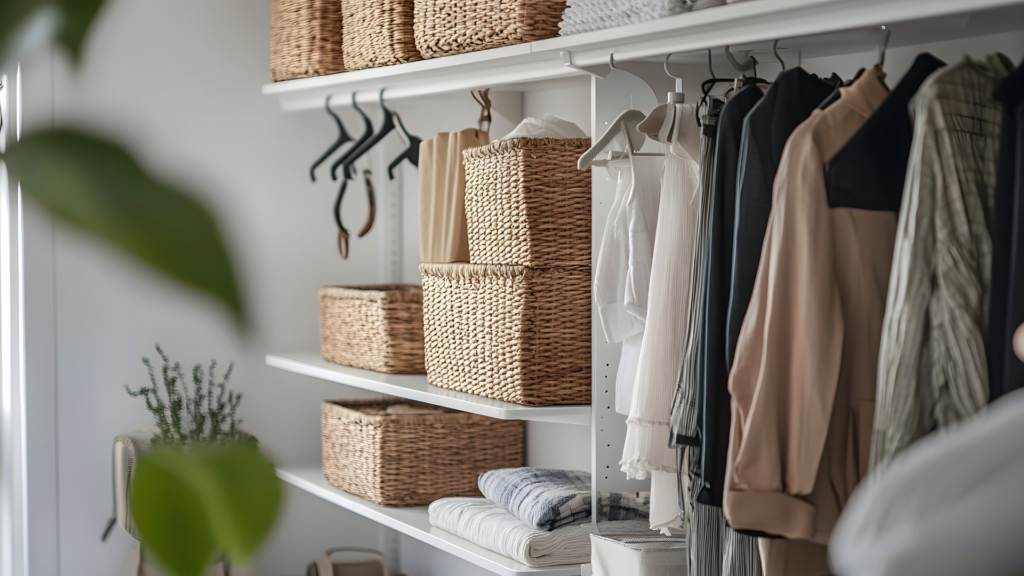
Stackable storage containers or hanging organizers inside closets utilize unused space from floor to ceiling. This strategy helps keep items like board games, seasonal clothes, or craft supplies neat and accessible.
Utilizing Multipurpose Furniture
Multipurpose furniture serves double duty, reducing clutter while adding functionality. Consider storage ottomans or benches with hidden compartments for toys, blankets, or shoes.
Beds with built-in drawers or fold-out desks can also save space. These pieces are beneficial in bedrooms or shared family rooms where maximizing utility matters.
Look for coffee tables with shelves or side tables with drawers. This allows storage of everyday items like magazines or remote controls without additional furniture pieces.
Labeling and Binning
Clear labeling is essential for maintaining organization in family homes. Use consistent, easy-to-read labels on bins, drawers, and shelves so everyone knows where items belong.
Color-coded bins can be assigned to each family member or type of item. For example, blue bins for school supplies and green bins for sports gear prevent mix-ups.
Transparent containers help identify contents quickly, enhancing efficiency. Label both sides of boxes or baskets if stored on deep shelves to avoid unnecessary searching.
Organizing Kids’ Spaces
Efficiently organizing kids’ areas involves setting up clear zones for activities, storage solutions that are easy to maintain, and creating dedicated spots for schoolwork. Each space benefits from tailored systems to reduce clutter and encourage responsibility.
Creating Playroom Systems
Start by categorizing toys by type: puzzles, building blocks, art supplies, and stuffed animals. Use clear bins with labels or pictures to help kids identify where things belong. Shelving units at child height increase accessibility and independence.
Implement rotation systems to keep the playroom manageable. Store unused toys separately and swap them periodically; this minimizes clutter and renews interest. Designate a small mat or rug as the play area to contain pieces and make cleanup easier.
Incorporate baskets or bins for quick daily pickups. Having a place for everything reduces mess and helps kids learn organizational habits.
Managing Bedroom Clutter
Focus on multifunctional furniture like beds with drawers or under-bed storage bins. This maximizes space while providing out-of-sight storage for clothes and toys.
Use over-the-door organizers for shoes, accessories, or smaller toys. Clear storage boxes under dressers keep seasonal clothing neat and easy to access.
Establish a regular routine for sorting through clothes and toys, donating or discarding what is no longer used. Encourage children to participate by making it a monthly task.
Streamlining Homework and Study Areas
Select a quiet corner with adequate lighting. A sturdy desk with storage drawers or organizers keeps school supplies within reach but tidy.
Use labeled containers or trays for pens, notebooks, and papers. A wall-mounted bulletin board or whiteboard helps track assignments and deadlines visually.
Limit distractions by removing unrelated items. Maintain a filing system, either digital or physical, for important school documents and completed work. This promotes focus and responsibility.
Family-Friendly Entryway Organization
An entryway should handle daily traffic without clutter. Prioritizing practical storage and easy access helps maintain order and supports family routines smoothly.
Shoe and Outerwear Storage
Use cubbies or benches with built-in shoe racks to keep footwear off the floor and organized by family member. Label sections or bins for quick identification and to encourage kids to put away shoes independently.
Hooks at varying heights work well for jackets, backpacks, and hats. Install a sturdy coat rack or wall-mounted hooks to avoid overcrowding on a single hook. Seasonal rotation of items prevents excess bulk in the entryway.
Materials should be durable and easy to clean to withstand dirt and moisture. A washable mat at the door helps keep floors dry and protects against mud.
Drop Zone Creation
Designate a surface like a console table or wall-mounted shelf as a drop zone for keys, mail, and phones. Use small trays or bowls to separate items and prevent losses.
Include charging stations or outlets near the drop zone to integrate device charging and reduce countertop clutter.
Wall-mounted organizers with slots for mail and clipboards for schedules help keep paperwork in view but contained. This method supports daily planning and reduces paper mess throughout the house.
Meal and Kitchen Organization
Keeping a kitchen functional requires clear systems for storing food and streamlined setups for preparing meals. Properly categorized pantries and designated meal prep areas improve efficiency and reduce clutter.
Pantry Categorization
Organize pantry items by type and frequency of use. Group similar products together, such as baking ingredients, canned goods, and snacks. Use clear bins or labeled containers to keep small items tidy and visible.
Place frequently used items at eye level for easy access. Reserve higher shelves for bulk or less-used supplies. Consider a checklist system to track expiration dates and restock needs.
Label shelves or containers with categories like “Breakfast,” “Spices,” or “Kids’ Snacks” to guide family members quickly. Rotate stock by placing new items behind older ones to avoid waste.
Efficient Meal Prep Setups
Designate a workspace with essential tools close by: knives, cutting boards, measuring cups, and mixing bowls. Keep appliances like blenders or food processors plugged in but stored neatly.
Use stackable containers for chopped ingredients or pre-portioned meals, making cooking faster on busy days. Set up waste bins or compost containers within reach to reduce clean-up time.
Maintain a small, organized shelf or drawer for frequently used spices and oils. Clear counters of unrelated items to maximize prep space and avoid distractions.
Creating zones for specific tasks, such as chopping, mixing, and plating, supports a smooth workflow during meal preparation.
Scheduling and Calendar Management
Effective scheduling helps prevent conflicts and keeps everyone on the same page. Choosing the right tools and organizing shared plans clearly can reduce missed appointments and improve daily flow.
Centralized Family Calendars
Using a single, centralized calendar consolidates all family events in one place. This approach makes it easier to check schedules at a glance and avoid overlapping commitments.
Physical calendars placed in a common area, like the kitchen, allow quick access for all members. However, they require regular updates to stay accurate.
Digital calendars offer real-time updates and can send reminders. Sharing access ensures everyone can add or modify entries, promoting accountability.
Digital vs Physical Scheduling Tools
Digital calendars like Google Calendar or Cozi provide flexibility with notifications, color-coding, and syncing across devices. They are useful for families with busy, ever-changing schedules.
Physical planners or whiteboards do not rely on technology and can be more visible throughout the day. These tools work well for younger children or those who prefer tactile interaction.
When choosing between digital and physical, consider family members’ tech comfort, update frequency, and need for immediate visibility. Combining both methods is an option to balance accessibility and ease of use.
Routine Maintenance Tips
Regular upkeep helps keep your home organized and prevents clutter from building up. Set aside a specific time each day or week to handle small tasks like putting away toys and sorting mail.
Create easy-to-follow habits, such as tidying up kitchen counters after meals or arranging shoes at the door. Consistency reduces disorder and ensures spaces stay manageable.
Use checklists to track routine chores. For example:
| Task | Frequency | Notes |
| Clear dining table | Daily | After every meal |
| Laundry sorting | Twice a week | Separate clothes by color |
| Toy organization | Daily/weekly | Rotate and donate unused toys |
Encourage family members to take responsibility for specific zones or tasks. Assign roles clearly to avoid confusion and promote teamwork.
Spend a few minutes each evening reviewing common clutter spots. Addressing small messes quickly prevents buildup and keeps the home feeling orderly.
These routine maintenance habits simplify long-term organization, making your space more functional and pleasant for everyone.
Involving Kids in Home Organization
Getting kids involved in home organization teaches responsibility and makes maintaining order easier. Start with age-appropriate tasks to keep them engaged without overwhelming them.
Simple tasks for different age groups:
| Age Group | Suggested Tasks |
| Toddlers | Putting toys in bins, sorting books |
| Elementary | Folding clothes, organizing school supplies |
| Teens | Managing their own spaces, donating unneeded items |
Use visual aids like labeled bins and colorful charts to help children remember where things belong. This guidance reinforces habits through clear expectations.
Make organizing a game or challenge to motivate participation. For example, set a timer and see who can tidy their area fastest, or create a points system for completed tasks.
Encourage positive feedback and praise to build a sense of accomplishment. Consistency and patience are key to helping kids adopt these routines as part of daily life.
Seasonal Organization Tactics
Adjusting organization methods with the seasons helps maintain a tidier home year-round. Rotate clothing, gear, and decorations to keep spaces relevant to current needs. Store out-of-season items in labeled bins or vacuum bags to save space.
Create a simple checklist for seasonal swaps. Include tasks like swapping winter coats for summer jackets, checking holiday decor, and refreshing pantry staples. This keeps the process efficient and ensures nothing is overlooked.
Use storage solutions designed for seasonal changes: clear bins, stackable boxes, and under-bed containers work well. Label items by season and category for quick retrieval. For example:
| Season | Items to Store | Storage Suggestions |
| Winter | Coats, boots, holiday decor | Vacuum bags, clear bins |
| Summer | Swimwear, fans, garden tools | Plastic tubs, shelving units |
Make seasonal cleaning part of the routine. Declutter as you transition to reduce unnecessary items. This practice prevents clutter from accumulating over months.
Rotate children’s toys and books to keep them engaged and manage space better. Store unused items andreintroducee them again next season. It refreshes interest without extra purchases.