
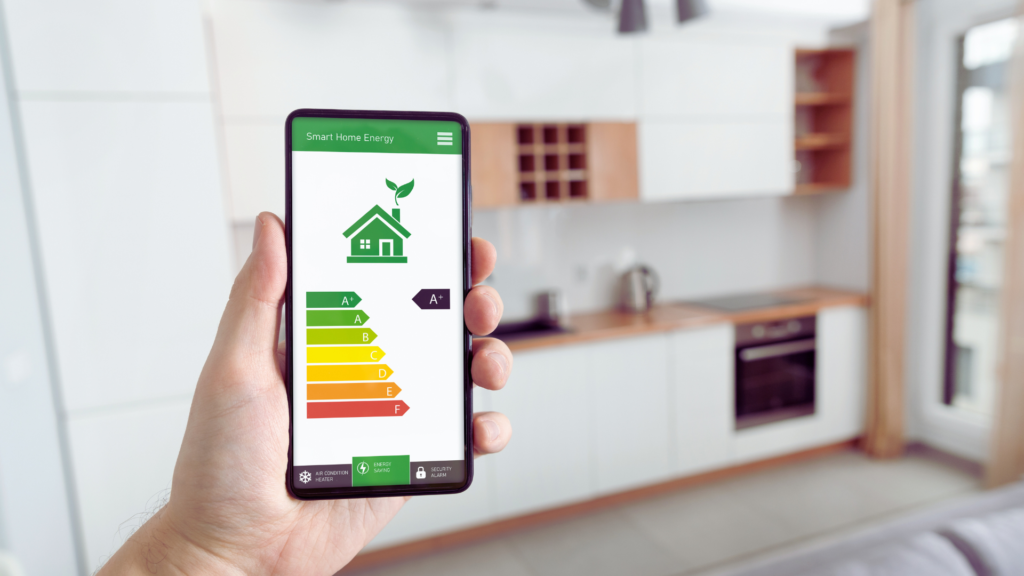
Improving home energy efficiency is essential for reducing costs and environmental impact. Investing in energy-efficient appliances, proper insulation, and smart home technology can significantly lower energy consumption, leading to substantial savings on utility bills. Homeowners can also explore simple changes, such as sealing leaks and using programmable thermostats, to enhance efficiency without major renovations.
As energy prices continue to rise, the importance of energy efficiency becomes even more apparent. Many effective strategies are available that not only contribute to a greener planet but also create a more comfortable living environment. By understanding and implementing these methods, individuals have the opportunity to save money while promoting sustainability.
Incorporating energy-efficient practices can be straightforward and beneficial. From replacing incandescent bulbs with LED lighting to utilizing energy audits, small actions can lead to meaningful change. Keeping informed about the best approaches empowers homeowners to make choices that enhance energy efficiency effectively.
Conducting a Home Energy Audit
A home energy audit is essential for identifying inefficiencies and opportunities for improvements. This process can be performed professionally or as a DIY project. Key focus areas include discovering air leaks and assessing insulation levels.
Professional vs. DIY Energy Audits
Professional energy audits utilize specialized equipment like blower doors and infrared cameras. These tools allow auditors to identify air leaks and thermal issues with precision. Professionals often provide a comprehensive report detailing specific improvements, potential energy savings, and estimated costs.
DIY energy audits are more accessible and cost-effective. Homeowners can perform visual inspections, checking for drafts around windows, doors, and electrical outlets. They can also use tools like incense sticks or smoke pencils to pinpoint air leaks. While DIY audits may lack the sophistication of professional services, they can still uncover significant opportunities for improvement.
Identifying Common Air Leaks
Air leaks often occur in common areas such as:
- Windows and doors: Look for gaps and worn weatherstripping.
- Attic hatches and basement openings: Ensure these are tightly sealed.
- Electrical outlets and switches: Use outlet gaskets to minimize drafts.
Homeowners can perform a simple test by running their hands around these areas on a windy day. If they feel a draft, it’s essential to seal these leaks with caulk or weatherstripping. Proper air sealing can lead to lower energy bills by reducing heating and cooling demands.
Importance of Insulation
Insulation plays a critical role in maintaining comfortable indoor temperatures. Adequate insulation slows heat transfer in and out of the home. Key areas to assess include:
- Attic insulation: This should be at least R-30, depending on the climate.
- Wall insulation: Verify that walls are adequately insulated to reduce heat loss.
- Basement and crawl space insulation: Insulating these areas can prevent cold air from entering.
Improving insulation not only enhances comfort but can also decrease energy bills significantly. Identifying inadequate insulation during an audit can lead to targeted home improvements that enhance energy efficiency.
Upgrading Heating, Ventilation, and Air Conditioning
Upgrading an HVAC system can significantly impact home energy efficiency. It involves selecting high-quality systems, ensuring regular maintenance, and utilizing smart technology. Each aspect contributes to lower energy costs and improved comfort.
Benefits of Energy Star HVAC Systems
Energy Star-certified HVAC systems are designed to meet strict energy efficiency guidelines. They can reduce energy bills by 10% to 50% compared to standard models.
Investing in these systems also leads to lower greenhouse gas emissions, promoting a more sustainable environment.
Homeowners should consider heat pumps as a versatile option, providing both heating and cooling. This dual functionality can further enhance energy savings throughout the year.
Maintaining Your HVAC System
Regular maintenance is essential to ensure optimal HVAC performance and avoid expensive repairs. For instance, reputable air conditioning companies often suggest changing air filters every 1-3 months to enhance system efficiency.
Clean filters improve airflow, allowing the HVAC system to work more effectively and reducing strain on its components. The same principle applies to other HVAC systems, such as furnaces. Just like air conditioning units, furnaces rely on clean filters to function efficiently.
In the same vein, duct cleaning can also play a crucial role in maintaining optimal HVAC performance. Connecting with air duct cleaning services minneapolis, or those elsewhere, can help remove dust, debris, and allergens that accumulate over time, improving airflow, boosting system efficiency, and enhancing indoor air quality. This ensures not only a more effective system but also a healthier living environment for your home.
Additionally, regular inspections of furnace components, such as burners, heat exchangers, and blower motors, help prevent breakdowns and ensure safe operation.
Put simply, Regular maintenance across all HVAC systems keeps them running smoothly, extends their lifespan, and helps homeowners save on energy costs and repairs. However, it’s important to rely on professionals for these tasks to ensure the job is done correctly and safely. To find experienced technicians, simply search online for furnace repair minnesota or in your local area to connect with reliable service providers.
The Role of Thermostats in Energy Savings
Smart thermostats play a crucial role in managing home energy use. They can automatically adjust temperatures based on occupancy and preferences, minimizing unnecessary heating or cooling.
Many smart devices allow remote access, enabling homeowners to control their HVAC systems from anywhere. This can lead to further savings by optimizing energy use during non-occupied periods.
Setting schedules for temperature adjustments can enhance efficiency as well. A well-programmed thermostat can reduce energy costs while maintaining comfort throughout the home.
Enhancing Energy Efficiency With Technology
Technology plays a vital role in improving home energy efficiency. Implementing modern appliances and smart systems can significantly lower energy consumption and costs. Understanding and utilizing these advancements can lead to a more sustainable household.
Energy-Efficient Appliances and Lighting
Upgrading to energy-efficient appliances can result in significant savings. Look for products certified by Energy Star. These appliances use up to 50% less energy than standard models.
Key Appliance Types:
- Refrigerators: Use less energy while maintaining performance.
- Washing Machines: Consumes less water and energy per load.
- Dishwashers: Efficient models clean effective using less electricity.
In addition to appliances, adopting LED lighting can enhance efficiency. LEDs consume up to 75% less energy than traditional incandescent bulbs. They also last longer, reducing the need for replacements.
Combining these appliances and lighting options can provide a more energy-efficient home environment.
Smart Home Technologies for Energy Management
Smart home systems allow homeowners to monitor and control energy usage effectively. Devices such as smart thermostats, intelligent lighting systems, and energy monitors empower users to optimize consumption.
Examples of Smart Technologies:
- Smart Thermostats: Automatically adjust heating and cooling based on occupancy and preferences.
- Smart Plugs: Allow remote control of devices, minimizing unnecessary power use.
- Home Energy Monitors: Track energy usage patterns and identify high-consumption devices.
These technologies not only save energy but also enhance comfort and convenience. They facilitate informed decisions about energy usage for better management.
Impacts of Phantom Load and How to Minimize It
Phantom load refers to energy consumed by electronics when they are turned off but still plugged in. This can account for 5-10% of a household’s energy usage.
Common culprits include:
- Televisions
- Chargers
- Computers
To mitigate phantom load, consider these strategies:
- Unplug Devices: Disconnect electronics when not in use.
- Use Smart Power Strips: These cut off power to devices that enter standby mode.
- Schedule Usage: Set timers for devices that are frequently left plugged in.
Addressing phantom loads can significantly contribute to overall energy efficiency in a home.
Investing in Renewable Energy Solutions
Renewable energy solutions offer significant opportunities to enhance home energy efficiency. By integrating options such as solar panels and solar water heating, homeowners can reduce energy costs while benefiting from available tax incentives.
Integrating Solar Panels into Your Home
Installing solar panels is a robust way to harness renewable energy. These systems convert sunlight into electricity, which can be used to power household appliances and reduce reliance on the grid.
Benefits include lower energy bills and increased property value. An array of panels can be tailored to meet specific energy needs based on roof size and orientation.
Typically, solar panels have long lifespans, often exceeding 25 years. Additionally, net metering allows homeowners to earn credits for excess energy produced, offering further savings.
Exploring Tax Credits for Renewable Energy Investments
Tax credits significantly lower the financial burden of investing in renewable energy. These incentives encourage homeowners to adopt solar technologies by providing direct savings on taxes owed.
The Federal Investment Tax Credit (ITC) allows for a percentage deduction of the total installation cost of solar systems. Some states also offer their own tax credits, which can multiply savings.
Homeowners should check eligibility and application deadlines to make the most of these benefits. Local utility companies may also provide rebates, adding another layer of financial support.
Efficiency Advantages of Solar Water Heating
Solar water heating systems utilize the sun’s energy to heat water for residential use. This solution can replace conventional electric or gas water heaters, leading to substantial savings on energy bills.
These systems typically consist of solar collectors and a storage tank. They are designed to efficiently capture solar energy to heat water, which can then be used for showers, dishwashing, and more.
Installing a solar water heater can reduce water heating costs by 50% to 80%, depending on climate and usage patterns. Some systems can also work in tandem with traditional heating sources, ensuring efficiency year-round.