
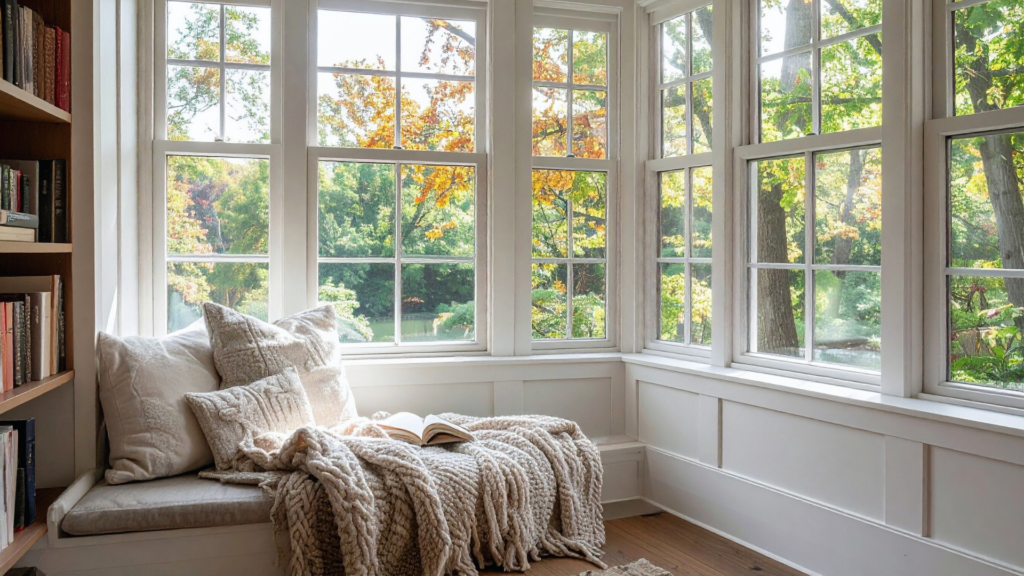
Creating a cozy home is about combining comfort, warmth, and personal touches to make a space where you feel relaxed and secure. The key to a cozy home is balancing soft textures, warm lighting, and thoughtful organization to create an inviting atmosphere.
Start by choosing materials like plush blankets, soft rugs, and cushions that invite you to sit and stay awhile. Warm lighting, such as lamps with soft bulbs or candles, helps create a soothing ambiance that feels welcoming.
Personal elements, such as photos, souvenirs, or favorite books, add character and make your space uniquely yours. These simple steps transform any house into a comforting retreat.
Understanding Cozy Home Principles
Creating a cozy home involves more than just soft blankets or warm colors. It requires an intentional approach to atmosphere, function, and perception to make a space genuinely comfortable and inviting. The elements below provide clear guidance on what defines coziness, why it matters, and common misunderstandings that can lead to ineffective design choices.
Defining Cozy Ambiance
A cozy ambiance combines warmth, comfort, and security through sensory and visual elements. Lighting plays a crucial role; soft, warm light sources such as lamps or candles create a relaxed mood. Textures like plush rugs, soft throws, and cushy cushions add tactile comfort that invites relaxation.
Smaller, well-defined spaces often feel cozier than large, open ones because they reduce overstimulation. Incorporating natural elements like wood, plants, or stone can also enhance the feeling of groundedness. Cozy is not cluttered; it is thoughtfully arranged to balance aesthetics and comfort.
Benefits of a Cozy Living Space
A cozy home positively impacts mental and emotional well-being. Comfortable environments reduce stress and promote relaxation, helping occupants unwind after hectic days. Improved sleep quality and lower anxiety levels are common benefits of living in a cozy space.
Cozy homes also encourage social connection. Inviting seating and intimate layouts facilitate conversation and shared experiences. This type of environment supports a stronger sense of belonging and emotional security, which contributes to overall life satisfaction.
Common Myths About Coziness
Many confuse coziness with clutter, assuming that more items equate to warmth. In reality, excessive possessions can cause stress and visual noise. True coziness is about quality, not quantity.
Another myth is that coziness requires expensive furniture or décor. Simple changes—like adjusting lighting or adding textiles—can have a significant impact without high costs. Finally, some believe coziness means warmth only in temperature; however, emotional warmth through personal touches is equally important.
Choosing the Right Color Palette
Selecting colors that evoke warmth and comfort can significantly transform your living space. Understanding how different tones work together and the role of lighting will help create a balanced and inviting atmosphere.
Warm and Inviting Color Schemes
Warm colors like soft reds, oranges, and earthy browns naturally create a sense of coziness. These hues encourage relaxation and make spaces feel more intimate, especially in living rooms and bedrooms.
Using muted shades like terracotta, mustard yellow, or deep taupe can help avoid overwhelming a room. Combining warm tones with neutral colors such as beige or ivory provides a soothing backdrop while maintaining visual interest.
Consider accents in copper, rust, or burnt sienna to add depth without clutter. Textiles, like rugs or cushions in these colors, work well to integrate warmth subtly.
How Lighting Affects Color Perception
Lighting changes how colors appear throughout the day. Natural light presents colors in their truest form, while artificial lighting can shift tones dramatically.
Incandescent bulbs cast a warm, yellowish glow, enhancing reds and oranges but muting blues and greens. LED or fluorescent lights tend to have cooler, bluish tints, which can make warm colors feel less vibrant.
Test paint samples in different lighting conditions before committing. Position lamps strategically to highlight key areas and create layered lighting that complements your color choices.
Using dimmers allows for adjustment and helps maintain a cozy ambiance regardless of time.
Selecting Comfort-Driven Furnishings
Choosing the right furniture involves prioritizing comfort and function while supporting a warm atmosphere. The focus should be on pieces that invite relaxation and complement the overall design.
Essential Cozy Furniture Types
Start with a plush sofa or sectional made of soft, durable fabrics such as microfiber or velvet. Opt for deep seats and supportive cushions to encourage long periods of sitting. A recliner or an armchair with ergonomic support adds additional comfort and serves as a reading or relaxation spot.
Include a soft ottoman or footstool to enhance comfort and provide versatility, like additional seating or a place to rest feet. Select pieces that have rounded edges and avoid overly firm or rigid furniture, which can detract from coziness. Prioritize sofas and chairs with neutral or warm tones, as they blend effortlessly with other decor.
Layering Textures for Warmth
Incorporate various textures to add dimension and tactile warmth to your space. Use throws and blankets made of wool, fleece, or chunky knits draped over sofas or chairs. Mix these with cushions of different materials—linen, velvet, and faux fur—to create visual interest and invite touch.
Area rugs made from soft materials like wool or shag add warmth underfoot and help define seating areas. Curtains in heavier fabrics contribute to insulation and soften windows. Use texture layering thoughtfully to avoid clutter; aim for balance by combining smooth with rough or soft with firm textures.
Optimizing Lighting for Warmth
Creating a warm atmosphere starts with selecting the right types of lighting and controlling their intensity. The choice of bulbs and fixtures, along with dimming capabilities, greatly impacts how inviting a space feels.
Types of Cozy Lighting Solutions
Warm light bulbs with color temperatures between 2700K and 3000K are ideal for cozy homes. These emit a soft, yellowish glow that mimics natural light at sunset, making the space feel more relaxing.
Key lighting options include:
- Incandescent bulbs: Offer excellent warmth but consume more energy.
- LED bulbs: Available in warm tones, energy-efficient, and long-lasting.
- Edison bulbs: Decorative with a nostalgic amber light, suitable for exposed fixtures.
Lamp shades and diffusers soften harsh light, reducing glare. Using multiple light sources like floor lamps and table lamps instead of a single overhead light prevents shadows and adds depth.
Dimming and Adjustability Options
Dimmers enable precise control over lighting levels, adjusting brightness based on time of day or activity. Installing wall dimmers or using smart bulbs with app controls helps maintain a comfortable ambiance.
Select dimming-compatible bulbs to avoid flickering or damage. Some LED bulbs require specific dimmers designed for low wattage to function properly.
Adjustable lamps and fixtures allow shifting light direction to highlight cozy corners or artwork. Combining dimmability and adjustability gives flexibility for various moods without needing extra lamps.
Incorporating Natural Elements
Integrating natural features into your home can improve comfort and atmosphere. Using greenery and tactile materials creates a calm, inviting environment that feels connected to nature.
Using Plants to Enhance Comfort
Plants improve air quality by filtering toxins and increasing oxygen levels. Choose varieties like spider plants, snake plants, or pothos, which are easy to care for and effective indoors.
Arrange plants in clusters or along windowsills to maximize sunlight exposure. Use a mix of sizes and leaf types to add visual interest and depth to rooms.
Place aromatic herbs like lavender or rosemary in the kitchen or living areas to add natural scents. Consider low-maintenance succulents for areas with less natural light.
Organic Materials and Fabrics
Incorporate natural fabrics such as cotton, wool, linen, or hemp in upholstery, curtains, and bedding. These materials regulate temperature and moisture better than synthetic options.
Use wooden furniture and accents crafted from solid wood or bamboo for durability and warmth. Avoid heavily treated or laminated wood to keep textures authentic.
Natural fiber rugs, like jute or sisal, add texture underfoot and enhance coziness. Keep colors neutral or earth-toned to complement other natural elements in the space.
Personalization and Meaningful Décor
Creating a cozy home involves integrating items that carry personal value and visual appeal. Thoughtful placement of meaningful objects and carefully chosen art can transform a space into a reflection of individual stories and tastes.
Displaying Sentimental Items
Incorporate items such as heirlooms, travel souvenirs, or handmade crafts to add depth and character. Use shelves, shadow boxes, or dedicated display corners to highlight these objects without cluttering the space.
Grouping similar items together can create a cohesive look while making each piece stand out. Rotating these items occasionally keeps the décor fresh and maintains personal significance over time. Avoid overcrowding to maintain a clean, inviting atmosphere.
Art and Photographs for a Personal Touch
Select artwork and photos that evoke positive memories or inspire emotions. Frame images consistently in terms of color or style to unify the display.
Consider a gallery wall for family photos, moments from trips, or favorite paintings. Use varied frame sizes and layouts to add visual interest while keeping a balanced overall appearance. Lighting can enhance these displays, drawing attention and adding warmth.
Organizing for Comfort
A well-organized space improves ease of movement and reduces stress. Focus on removing unnecessary items and maximizing storage to create a tidy, inviting environment.
Decluttering Strategies
Start by sorting belongings into categories: keep, donate, recycle, or discard. Set a timer for short sessions, like 20-30 minutes, to maintain focus and avoid overwhelm.
Prioritize frequently used items and eliminate duplicates. Clear surfaces and walking paths first to enhance the sense of openness.
Use the “one in, one out” rule when adding new items to prevent clutter buildup. Regularly reassess possessions to maintain order and comfort.
Smart Storage Solutions
Utilize vertical space with wall-mounted shelves or hooks to free floor area. Choose multi-functional furniture such as ottomans with hidden compartments.
Label storage containers clearly to ease finding and returning items. Transparent bins help visually track contents without opening.
Group related items together in designated zones to streamline daily routines. Adjustable shelving allows flexibility as storage needs change.
Aromas and Scents for Relaxation
Aromas can significantly impact mood and comfort in a home. Choosing the right scents and delivery methods enhances relaxation and creates a welcoming atmosphere.
Selecting Calming Fragrances
Certain fragrances are widely recognized for their calming properties. Lavender promotes restful sleep and reduces stress. Chamomile has soothing effects, often used for anxiety relief. Citrus scents like bergamot and sweet orange provide a mild uplifting quality without being overwhelming.
Avoid overly strong or synthetic smells, which can cause irritation or headaches. Natural, subtle fragrances are preferable in creating a cozy environment. Test fragrances in small amounts to see how they interact with your space and personal preferences.
Using Candles and Essential Oils
Candles provide both scent and ambient lighting, contributing to a cozy atmosphere. Choose soy or beeswax candles for a cleaner burn with less soot. Always monitor burning candles and place them away from flammable materials.
Essential oils offer versatility beyond candles. Use a diffuser to disperse oils evenly throughout a room. Add a few drops of oils like eucalyptus or sandalwood for added relaxation benefits. Avoid direct skin contact with undiluted oils to prevent irritation. Proper storage in a cool, dark place maintains oil potency.
Crafting Cozy Nooks and Retreats
Creating inviting small spaces requires careful use of lighting, textures, and layout. Focus on comfort and function to make areas that encourage relaxation and solitude.
Reading Corners and Quiet Zones
Choose a low-traffic area with natural or soft artificial light. A comfortable armchair or chaise lounge with supportive cushions is essential.
Add a small side table for books, a warm blanket, and a lamp with adjustable brightness. Rugs with soft textures can define the space and reduce noise.
Incorporate shelves or baskets to store reading materials and keep the area orderly. Plants can add a calming, natural element and improve air quality.
Window Seats and Small Spaces
Maximize window seats by adding a thick, cushioned pad for comfort. Layer with pillows in different sizes and textures for support and visual interest.
Ensure easy access to outlets for charging devices or plugging in lamps. Curtains or blinds should allow light control without making the space feel smaller.
Use built-in storage under seats for blankets, books, or other items. Keep the area clutter-free to maintain a sense of calm and openness despite the space’s size.
Seasonal Updates for a Cozy Home
Adjusting your home decor with the changing seasons creates comfort and visual interest. This involves choosing versatile pieces, adjusting colors, and integrating seasonal elements to maintain warmth and style year-round.
Transitional Décor for Every Season
Transitional décor bridges the gap between seasons by using adaptable items that complement both warm and cool weather. For example, swap heavy, dark-colored accessories for lighter, neutral tones that still provide texture.
Incorporate natural elements such as branches, dried flowers, or fresh greenery,y depending on the season. These pieces offer subtle shifts without requiring major changes. Use layered lighting like dimmable lamps or candles to enhance ambiance as daylight hours change.
Strategically place versatile art, cushions, or throws that work in multiple seasons by focusing on universal hues like beige, taupe, or muted blues. This approach minimizes effort while preserving a cohesive look.
Textile Swaps and Layering Techniques
Changing textiles is critical for seasonal coziness. Switch out lightweight cotton or linen curtains and cushion covers in summer for heavier materials like wool, velvet, or flannel during colder months. This improves both warmth and tactile comfort.
Layering throws and rugs adds insulation and visual appeal. Combine throws in different textures, es such as a chunky knit over a smooth fleece. Rugs should be placed over existing flooring, emphasizing warmth underfoot without complicating cleaning routines.
Focus on a balanced mix of colors and patterns to avoid overwhelming the space. Neutral bases with seasonal accent hues—like rust orange in fall or icy blue in winter—help maintain interest without clutter.
Promoting Peace and Wellbeing
Creating a peaceful and supportive home environment involves managing external and internal stressors. This includes controlling sound levels and designing spaces that encourage tranquility and relaxation.
Reducing Noise and Distractions
Noise pollution in the home can increase stress and reduce the feeling of comfort. Use thick curtains, rugs, and upholstered furniture to absorb sound. Installing weatherstripping around doors and windows will block outside noises effectively.
Consider the placement of noisy appliances and electronics. Position them away from resting or working areas. Use white noise machines or soft background music to mask disruptive sounds when necessary.
Turning off or silencing unfamiliar notifications on phones and devices helps minimize distractions. Designate quiet zones where people can read, meditate, or focus without interruption.
Fostering a Calm Atmosphere
Colors like soft blues, greens, and neutral tones can promote relaxation. Use natural materials such as wood and cotton to add warmth and texture. Avoid clutter by keeping surfaces clear and organizing belongings.
Lighting should be adjustable, favoring warm bulbs over harsh fluorescents. Incorporate natural light during the day and use lamps or dimmers for evenings. Adding indoor plants improves air quality and introduces a soothing element.
Create dedicated spaces for mindfulness or relaxation, such as a reading nook or meditation corner. These areas invite calm and mentally recharge occupants regularly.