
Creating a pet-friendly home involves thoughtful design choices that cater to the needs of both pets and their owners. By incorporating durable materials, designated spaces, and safety features, anyone can transform their living environment into a welcoming haven for pets. Understanding how to balance aesthetics with functionality is key for pet owners who wish to enjoy a beautiful space without sacrificing their pets’ comfort.
Various elements can enhance a pet-friendly home, such as choosing non-toxic plants and selecting furniture that withstands wear and tear. Attention to detail, like providing cosy spots for pets or ensuring easy access to their essentials, can significantly improve the quality of life for both pets and their owners.
Knowledge of best practices in home design can make all the difference for pet owners looking to create a harmonious living space. Adopting these strategies allows for a stylish home that accommodates the dynamic nature of life with pets.
Designing with Pets in Mind
Before creating a pet-friendly home, it’s crucial to start by getting your pet from a reputable breeder. For example, if you’re considering a Rottweiler, look for the best breeder offering healthy and well-socialized Rottweiler Puppies For Sale. Once you’ve found the perfect pup, you can begin preparing your home to ensure it’s safe and comfortable for both your pet and your family.
Designing a pet-friendly space requires careful consideration of various factors, including flooring, furniture, and designated pet accommodations. By selecting durable materials, pet-safe furniture, and creating cozy spots for your pet, you can build an environment that meets the needs of both pets and their owners, promoting comfort and safety for everyone in the household.
Choosing Pet-Friendly Flooring
Selecting the right flooring is crucial for a pet-friendly home. Options like vinyl, tile, and laminate are popular due to their durability and ease of cleaning. These materials resist scratches and stains, which are common with pets.
Carpet can be less ideal, as it retains odours and can trap pet hair. If carpet is desired, choose low-pile varieties that are easier to maintain. Area rugs made from synthetic fibres can also provide a soft surface while being low-maintenance. Regular cleaning is essential to keep floors looking their best, especially in homes with pets. Using the best hardwood floor cleaner can help remove dirt, pet hair, and stains while preserving the natural beauty of hardwood floors.
Consider using non-slip flooring to prevent accidents. Matte finishes reduce glossiness, which can help conceal scratches and scuffs. This thoughtful approach enhances both safety and aesthetics.
Selecting Durable Pet-Friendly Furniture
When choosing furniture, durability should top the list. Fabrics such as microfiber and canvas offer resistance against stains and fraying. These materials are also easy to clean, making them suitable for homes with pets.
Look for furniture with removable and washable covers. This feature makes maintenance more manageable, especially for items like sofas and chairs. Leather can also be a viable option, as it is tough and can be wiped clean.
Consider the shape of the furniture. Rounded edges can reduce the risk of injury, while sturdy frames ensure longevity. Keeping pet activity in mind helps in creating a safe living space.
Incorporating Pet Beds into Your Decor
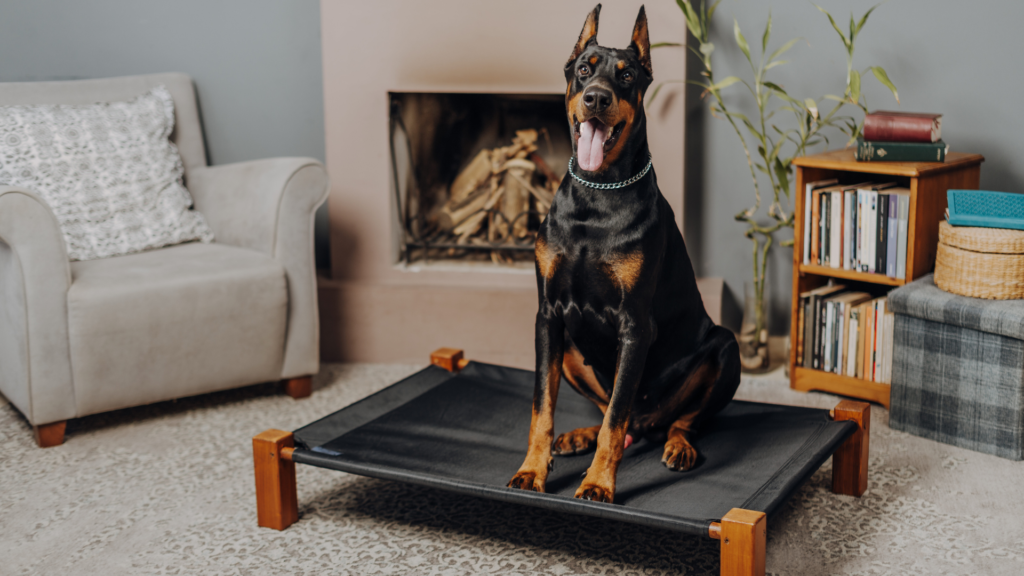
Pet beds can blend seamlessly into home decor with the right selection. Choose beds that complement the design scheme, using colours and patterns that fit the existing aesthetic.
Orthopaedic pet beds support joint health and are available in various styles to suit different tastes, from modern to traditional. Positioning beds in cosy corners or near windows offers pets a comfortable retreat.
Using multi-functional pieces, like decorative baskets that house pet toys, can enhance design while providing practical storage. Strategically placing these items contributes to a cohesive and functional interior where pets and owners can coexist comfortably.
Specialised Pet Spaces
Creating designated areas for pets enhances daily routines and improves comfort for both animals and owners. Thoughtful design can cater to specific needs while maintaining a stylish home environment.
Creating a Functional Mudroom
A mudroom serves as the perfect transition area between the outdoors and living space. It can be equipped with a durable floor that can withstand dirt and moisture, such as tile or vinyl. Built-in storage solutions-like cabinets or shelves-can hold leashes, toys, and grooming supplies.
Incorporating a washing station with a handheld showerhead allows for easy cleanup after outdoor adventures. Additionally, placing a low-profile mat at the entrance catches dirt and water, reducing mess in the main living areas. Hooks for leashes or coats keep everything organised and easily accessible.
When building a new house, these pet-friendly spaces can be incorporated into home designs to ensure the pets have a good time. One can reach out to companies like Olde Bulltown Village, who can design a mudroom tailored to individual needs while building the house. Their experts can also provide valuable insights on incorporating features that make the space more functional, especially for pets.
Designing Comfortable Feeding Stations
Feeding stations should be both functional and comfortable for pets. Built-in feeding stations can provide a dedicated space, making it easy to keep the area tidy. Adjustable height feeding stations accommodate pets of various sizes, which helps to maintain good posture during meals.
Including a non-slip mat underneath helps to prevent spills and moving bowls during feeding. Automatic feeders can be beneficial for busy pet owners. This system ensures pets receive meals on schedule while reducing the chance of overfeeding.
Building a Comfortable Sunroom
Designing a sunroom with your pets in mind is a combination of practicality and indulgence – because let’s face it, our pets deserve a slice of luxury too! Picture this: your dog sprawled comfortably in a sunbeam and your cat perched on a windowsill, observing the world with a touch of royal indifference while you relax on the warm daybed beside the. Sounds amazing, right?
To make the space even more functional, include pet-friendly elements like scratch-resistant furniture and easy-to-clean surfaces. Designate cozy spots for both you and your pets, with ample storage for toys and beds. For the best results, consult top Sunroom Builders in Houston, TX (or one in your location) to craft a stylish and practical space.
Integrating Litter Boxes and Cat Trees
A hidden litter box enclosure can blend seamlessly into home decor. Custom-built cabinets can provide a discreet area while maintaining easy access for cleaning. Ensuring proper ventilation within this space is essential for odour control.
Cat trees can be designed as multi-level structures with scratching posts and hideaways. Placement near windows or in quiet corners encourages cats to explore and engage with their environment. Opting for materials that match the home’s design will keep these spaces looking intentional and cohesive.
Safe and Aesthetic Outdoor Solutions
Creating outdoor spaces that are both pet-friendly and visually appealing enhances the home’s overall atmosphere. Thoughtful designs can keep pets safe while providing them with enjoyable experiences outdoors.
Building Catios for Safe Outdoor Enjoyment
Catios, or outdoor cat enclosures, provide a secure space for cats to enjoy the outdoors without the risks associated with free roaming. When designing a catio, consider using sturdy materials like wood or metal mesh that can withstand weather conditions and keep predators out.
The size of the catio should allow for plenty of movement and stimulation. Incorporate shelves, ramps, and tunnels to encourage active play. Additionally, adding natural elements like plants (be sure they are non-toxic to cats) creates a more enriching environment.
Aesthetically, cats can blend seamlessly with landscaping by using attractive colours and designs that match the home. This thoughtful integration enhances both the pet experience and the home’s curb appeal.
Accessorizing a Pet-Friendly Home
Creating a pet-friendly home involves carefully choosing accessories that enhance both aesthetics and functionality. The right rugs and houseplants, along with thoughtful incorporation of pet furniture, can elevate the environment for both pets and their owners.
Pet-Friendly Rugs and Houseplants
Selecting rugs that withstand the rigours of pet life is crucial. Pet-friendly rugs should be made of durable, stain-resistant materials. Options such as polyester, nylon, and outdoor rugs can endure wear while being easy to clean. Look for patterns that can camouflage pet hair and dirt.
For those who enjoy houseplants, choosing pet-friendly houseplants is important. Safe options include spider plants, Boston ferns, and bamboo palms. These plants not only purify the air but also add life to the space. It’s essential to research plant toxicity to ensure a safe environment for pets.
Concealing and Integrating Pet Furniture
Integrating pet furniture into home design can enhance aesthetics. Hidden dog beds, for instance, can be designed as stylish side tables or under benches, providing comfort while maintaining a clean look.
Wall-mounted cat beds save floor space and can turn into decorative elements. Consider using crates that match the home decor, allowing them to serve dual purposes as furniture. By harmonizing pet furniture with existing decor, spaces become functional yet visually appealing.