
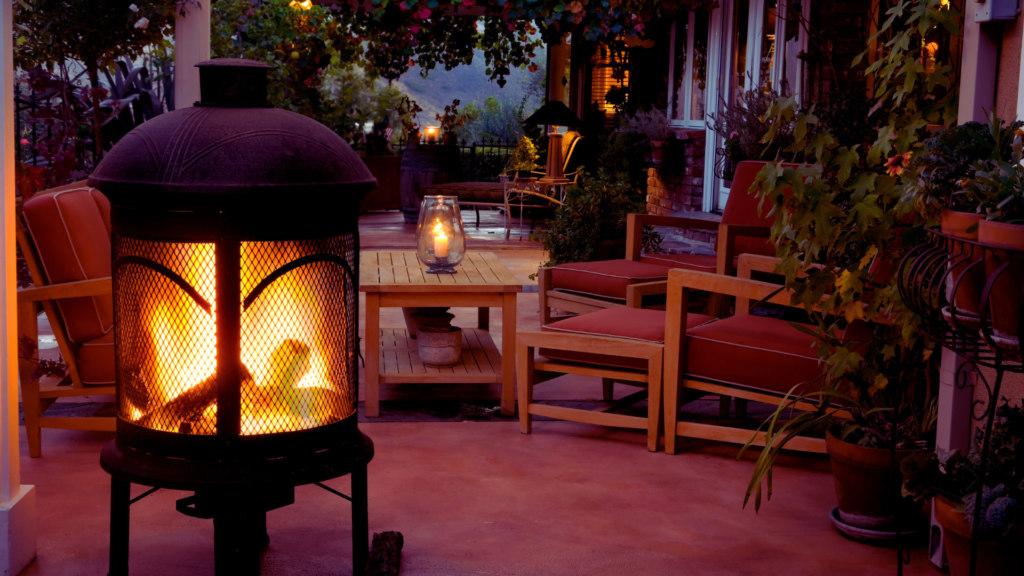
Creating a DIY fire pit can transform any backyard into a cozy gathering spot. With the right materials and design, anyone can build their own fire pit that suits their space and style. It’s an excellent way to add warmth and ambiance, making outdoor gatherings more enjoyable, especially on cooler evenings.
There are numerous fire pit design options to choose from, allowing for customization based on personal preferences. From simple stone structures to more elaborate designs using metal or brick, this project can cater to varying skill levels and aesthetics.
In addition to enhancing outdoor living spaces, a DIY fire pit offers a practical solution for cooking, warmth, and relaxation. With some creativity and planning, anyone can implement various DIY fire pit ideas that fit seamlessly into their backyard environment.
Planning Your Fire Pit
Proper planning is essential when building a DIY fire pit. Key factors include choosing the right location, determining the size and shape, and understanding relevant local building codes. These considerations will ensure safety, functionality, and aesthetics.
Choosing the Right Location
Selecting an appropriate location for the fire pit is crucial. It should be at least 10-20 feet away from any structures, trees, or flammable materials to minimize risks.
Consider the wind direction — placing the fire pit in a sheltered area can prevent smoke from blowing into seating spaces. Additionally, adding fencing around the fire pit enhances safety by containing the fire and protecting against debris. For professional advice and quality installation, trust the experts like those at wrengineering.com.au and similar others to ensure your outdoor space is both safe and stylish.
Accessibility is another important factor. The fire pit should be conveniently located for bringing in firewood and supplies, while still fitting naturally into the overall landscape and design of the yard.
Moreover, once the location is set, it is equally important to consider potential pest-related risks. Outdoor areas that provide warmth or shelter tend to attract insects and nesting creatures.
For example, bees may establish hives in nearby trees or garden structures, which could pose a risk to people gathering around the fire pit. Therefore, enlisting the help of a professional bee removal service helps keep the space secure without disrupting the surrounding environment.
Selecting Fire Pit Size and Shape
The size and shape of the fire pit largely depend on its intended use and available space. Common sizes range from 36 to 54 inches in diameter for above-ground designs. For an in-ground fire pit, consider a diameter that allows ample room for seating.
Shape options include round, square, or rectangular designs. A square fire pit may fit better in modern landscapes, while a round design often complements traditional settings. The depth should typically be around 12-18 inches for safety and efficiency.
Consider the number of people likely to gather around the fire. A larger fire pit allows for more seating but requires more space. Maintaining a design that fits seamlessly into the yard’s layout is important.
Understanding Local Building Codes
Before beginning construction, it is essential to check local building codes and regulations. Many areas have specific safety guidelines that govern fire pits, including height restrictions and material guidelines.
Some jurisdictions may require a permit for outdoor fire features. In urban areas, fire pits must often maintain a certain distance from property lines. Research and recommend fire pit designs to ensure they meet safety standards.
Additionally, assessing local burn bans or restrictions is vital. These regulations may vary with seasonal changes or fire hazards. Adhering to these guidelines will help avoid fines and ensure safe use of the fire pit.
Gathering Materials and Tools
Building a DIY fire pit requires careful consideration of the type of structure, the necessary materials, and the selection of quality supplies. Each component contributes significantly to the fire pit’s function, safety, and aesthetic appeal.
Types of Fire Pits
There are various designs for fire pits, including traditional masonry pits and modern metal fire bowls. Some popular options are:
- Brick Fire Pits: Durable and can be shaped into a desired design.
- Cinder Block Fire Pits: Cost-effective and easy to assemble; they provide good heat retention.
- Retaining Wall Blocks: Offer a polished look and are stackable for various heights.
- Fire Pit Kits: Often include pre-cut materials for easier assembly.
- Repurposed Washing Machine Drum: A creative recycling option for a unique aesthetic.
Choosing the right type depends on individual preferences, budget, and available space.
List of Essential Materials
A well-equipped fire pit requires several essential materials. Common items include:
- Firebricks: High heat resistance for lining the inside.
- Concrete Pavers: For a stable base or outer wall.
- Paver Base: To provide proper drainage and stability.
- Concrete Mix: Needed for some types of fire pits.
- Rebar: To reinforce structures where necessary.
- Sand: Often used for leveling or as a base underneath stones.
Purchasing these materials from a local hardware or home improvement store will ensure proper quality and availability.
Choosing Quality Building Supplies
Selecting high-quality building supplies is critical for safety and durability. When evaluating materials, consider:
- Heat Resistance: Ensure that bricks and stones can withstand high temperatures without cracking.
- Durability: Choose materials that are weather-resistant and can endure outdoor elements.
- Uniformity: Look for consistent sizes and shapes for easy assembly and a more polished appearance.
Research options based on reviews or ask for recommendations from experts. This effort will enhance the longevity and functionality of the fire pit.
Constructing Your Fire Pit
Building a fire pit requires careful preparation, assembly of the structure, and attention to finishing details. Each stage plays an essential role in creating a safe and enjoyable outdoor feature.
Preparing the Ground
Start by selecting a flat, open area for the fire pit. This spot should be away from overhanging branches and structures. Mark the desired diameter of the fire pit using stakes and string to ensure a circular shape. Remove any grass, debris, or rocks from the marked area to create a clean base.
Next, dig a shallow hole about 6 to 12 inches deep. This will accommodate a layer of sand, which helps with drainage and stabilization. Lay 2 to 3 inches of sand in the bottom of the hole and ensure it is level. This foundation will support the fire pit materials and help prevent moisture buildup.
Assembling the Structure
When assembling the fire pit, various materials can be used. Retaining wall blocks or concrete pavers are popular choices due to their durability and structural integrity, making them ideal for outdoor features. You might want to consider looking at various retaining wall ideas to help inspire your creative designs for your fire pit that would in turn, complement your landscape while ensuring stability. Start by placing the first layer of blocks or pavers in a circular pattern. Ensure they fit tightly for stability. If using fire bricks, they should form the inner layer, which can withstand high temperatures.
For taller fire pits, consider using rebar as reinforcement between layers. Insert rebar through the blocks for added support and safety. Continue to stack the blocks to the desired height, usually around 12 to 24 inches. Check for levelness regularly, making adjustments as needed for an even structure.
Applying Finishing Touches
Once the structure is assembled, apply finishing touches to enhance both appearance and functionality. Fill any gaps between the blocks with fire glass for a visually appealing look and improved heat retention. This glass can reflect light and add a modern touch to the design.
Consider adding a metal fire pit ring to protect the interior from erosion. This can extend the life of the fire pit and improve safety. Finally, assess the surrounding area for seating options, ensuring there’s enough space for comfortable use. The right arrangements will create an inviting atmosphere for gatherings.
Safety and Maintenance
Creating a backyard fire pit requires careful attention to safety and maintenance to ensure a pleasant experience. Proper practices protect both users and the surrounding environment while maintaining the fire pit’s functionality.
Ensuring Fire Safety
Fire safety is crucial when using your backyard fire pit. Make sure to place it at least 10-15 feet away from your house, trees, or anything flammable. Using firebricks can help contain the fire and protect the surrounding area. Always burn only recommended materials, like seasoned hardwood or charcoal, to minimize smoke and avoid toxic fumes.
Adding a protective fence around your fire pit is a smart way to keep kids and pets safe while also giving your outdoor space a more defined look. A sturdy barrier helps prevent accidental contact with open flames, making your backyard a safer place to relax. Go for heat-resistant materials like metal, stone, or treated wood to ensure it lasts.
Always keep a fire extinguisher, a bucket of water, or sand nearby in case of flare-ups. Before lighting your fire, check local regulations on open flames and make sure the weather conditions are safe. Never leave the fire unattended, and be sure to fully extinguish it before calling it a night.
Cleaning and Upkeep
Regular cleaning and upkeep extend the life of the fire pit. After each use, ash and debris should be removed once the fire is completely out and cooled. A shop vacuum works well for this task, ensuring that all remnants are cleared.
Periodic inspections of the fire pit structure are necessary to check for any wear, damage, or buildup of rust. If the fire pit includes fire glass, it should be cleaned with water and a mild detergent to maintain its appearance and reflectiveness.
Along with keeping the fire pit in top condition, regular yard maintenance is equally important for safety. Make sure that grass, leaves, or other flammable materials are cleared away from the fire pit area, as these can easily catch fire if sparks escape. Make sure to regularly trim any overgrown branches that could pose a fire hazard and maintain a clear, safe space around your fire pit for seating and movement.
Customizing and Enhancements
Customization can enhance both the aesthetics and functionality of the fire pit. Consider adding decorative elements, such as landscaping stones or an attractive fire glass layer for a modern look. Choosing vibrant fire glass can add color when the fire is lit.
Safety can also be improved through enhancements like a protective screen or spark guard, which prevents embers from escaping. If planning to use the pit for grilling, consider integrating a grill grate for added versatility. These modifications not only increase safety but also make the fire pit a focal point in the backyard, contributing to outdoor gatherings.