
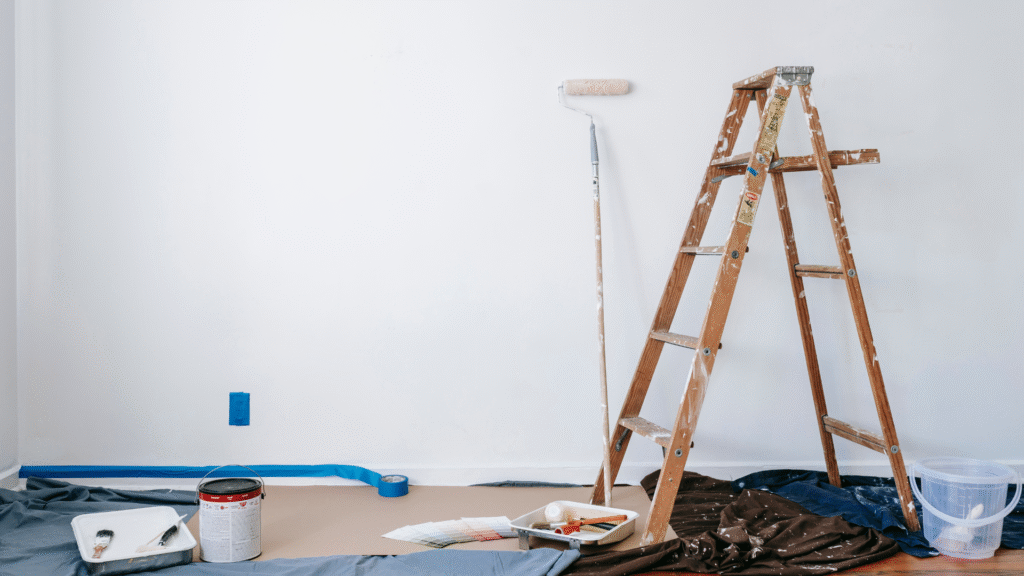
Transforming a home without breaking the bank can seem daunting, but it is entirely achievable with the right approach. A well-thought-out plan that prioritizes key areas can lead to a stunning makeover while staying within budget constraints. By focusing on strategic updates, homeowners can enhance their living spaces without overspending.
Effective budgeting begins with understanding what aspects of the home need the most attention. This could include fresh paint, updated fixtures, or even repurposing existing furniture. By identifying these priorities, a homeowner can allocate funds wisely and make informed choices that yield the best results.
Additionally, exploring DIY options can significantly cut costs and add a personal touch to the makeover. Embracing creativity through hands-on projects enables individuals to customize their space while saving money. With some resourcefulness and planning, a beautiful home transformation is well within reach.
Setting Your Home Makeover Budget
Creating a budget for a home makeover is crucial for homeowners aiming to enhance their living space without overspending. This involves understanding personal needs, setting clear financial limits, and making wise allocations to ensure essential renovations are prioritized.
Assessing Your Needs and Priorities
Homeowners should start by identifying their specific needs. This could include renovations for improved functionality, aesthetics, or energy efficiency.
Make a list of projects, such as:
- Updating kitchens or bathrooms
- Improving curb appeal
- Enhancing energy efficiency
Prioritize these projects based on importance. Are there repairs that must be addressed first? Understanding these aspects helps refine the budget.
Using this informed approach leads to better decisions about where to allocate funds. Each item on the list represents a potential investment in home improvement.
Creating a Realistic Spending Plan
A spending plan begins with setting a maximum budget. This total should take into account factors such as personal savings and potential financing methods.
Key budgeting components include:
- Materials: Determine costs for supplies.
- Labor: Estimate costs for contractors if needed.
- Unexpected expenses: Set aside 10-15% for surprises.
Research local prices to create an accurate estimation. Homeowners can also explore ways to save, such as opting for DIY projects or buying second-hand materials.
Creating a realistic plan provides a clear financial direction for the makeover journey.
Allocating Funds Strategically
With a budget in place, strategic fund allocation becomes essential. Homeowners should consider high-impact projects first. For instance, a kitchen remodel may yield a significant return on investment compared to cosmetic updates.
Consider this allocation approach:
- 40% for major renovations: Focus on areas needing immediate attention.
- 30% for aesthetic improvements: Paint, lighting, or landscaping.
- 30% for contingency: Reserved for unexpected issues.
This method ensures that essential renovations are funded adequately while allowing room for additional improvements. Careful planning in allocation maximizes the potential of every dollar spent.
Planning Cost-Effective Home Updates
Assessing how to refresh a home without overspending requires careful consideration. Prioritizing DIY projects, choosing strategic areas to update, and making small enhancements can significantly boost both aesthetics and home value.
DIY Projects for Maximum Savings
Engaging in DIY projects can yield substantial savings. Simple tasks like painting walls, installing new hardware, or landscaping can transform a space.
Some effective DIY updates include:
- Repainting Cabinets: A fresh coat of paint can give outdated cabinets a new life.
- Creating Accent Walls: Using removable wallpaper or decals enhances the visual appeal without permanent alterations.
- Updating Fixtures: Swapping out old light fixtures or faucets can modernize a home’s look.
Research resources and utilize online tutorials to navigate these tasks confidently.
Choosing Areas to Update First
Identifying which areas to update first involves strategic planning. Focus on high-impact spaces that influence the overall perception of the home.
Key areas to consider:
- Living Room: Updating lighting and décor can enhance comfort and style.
- Kitchen: Minor updates like hardware changes or a backsplash can drastically improve this key area.
- Curb Appeal: Front doors, landscaping, and exterior paint provide first impressions that can influence potential buyers.
Prioritizing these spaces can maximize both the budget and the overall impact.
Enhancing Value with Small Changes
Small changes can make a big impact on home value. Effective updates don’t always require major renovations.
Consider these options:
- Smart Home Features: Installing smart thermostats or security systems increases convenience and appeal.
- Energy-Efficient Improvements: Adding weather stripping or energy-efficient lighting reduces utility costs, making the home more attractive.
- Refresh Flooring: Simple updates like refinishing hardwood floors or adding area rugs can uplift a property’s appearance.
By concentrating on these smaller projects, they can create a significant difference without extensive spending.
Affordable Interior Improvements
Making interior improvements on a budget can significantly enhance the look and feel of a home. By focusing on targeted areas, homeowners can achieve remarkable results without overspending.
Refreshing Walls with Paint
Applying a fresh coat of paint can transform a room’s atmosphere. Choosing the right color is essential; lighter shades tend to open up spaces, while darker colors can create drama.
Before starting, homeowners should prep walls by cleaning and patching any holes. Paint can be purchased at various price points, with many retailers often offering discounts.
To save costs, consider painting only accent walls or smaller rooms first. This allows for a stylish update while minimizing expenses. Tools like brushes, rollers, and painter’s tape should be gathered for a smooth application.
Upgrading Bathroom and Kitchen Fixtures
Updating fixtures in bathrooms and kitchens can have a major impact. Replacing old faucets, showerheads, and cabinet hardware with modern designs can enhance functionality and aesthetics.
Selecting affordable options doesn’t mean sacrificing quality. Many brands offer stylish fixtures at budget-friendly prices. Installation can often be handled with basic tools, providing another opportunity for savings.
Homeowners might also consider refinishing existing cabinets instead of complete replacements. This approach can refresh the space while staying within budget.
Improving Lighting and Ceiling Fans
Enhancing lighting can change the mood of any room. Swapping outdated lighting fixtures for contemporary designs can make spaces feel inviting.
When selecting new lighting, energy-efficient options should be prioritized. LED bulbs not only reduce electricity bills but also last longer.
Updating ceiling fans is another effective way to improve air circulation while adding visual interest. Many fans today come with sleek designs and light options. Installation can usually be managed by those with basic DIY skills, making it a cost-effective upgrade.
Boosting Curb Appeal on a Budget
Improving curb appeal can significantly enhance a home’s first impression without causing financial strain. Simple updates in landscaping, a revamped front door, and a fresh coat of paint can create an inviting atmosphere.
Landscaping and Outdoor Projects
Landscaping plays a crucial role in how a home is perceived. Simple tasks like mowing the lawn, trimming hedges, and planting seasonal flowers can make a significant difference. For those looking to take their outdoor space to the next level, consulting a Landscape designer can provide expert guidance and creative ideas tailored to the property.
Homeowners can choose perennials for longevity or annuals for vibrant colors. Adding mulch around flower beds can help define them while reducing weed growth.
Consider using container gardening with decorative pots for a pop of color on porches or entryways. This approach doesn’t require permanent planting and can be budget-friendly.
Creating defined walkways with stones or gravel can enhance the pathway to the front door, making it feel more inviting.
Beyond plantings and walkways, an established lawn can make an immediate visual impact and simplify maintenance. For homeowners seeking instant results, you can consider locally grown SOD.
Selecting the right turf helps new landscape elements knit together and reduces the need for extensive seeding or watering regimes. Purchasing in bulk and arranging local delivery during the cutting season often makes this a cost-effective option for improving curb appeal.
Homeowners in the Tampa Bay and Sarasota region for instance, should consider working with a local expert who understands Florida’s sandy soils, heavy rain patterns, and drainage needs. A trusted sod installation company can recommend the best turf varieties, ensure proper soil preparation and grading, and coordinate irrigation tweaks that conserve water and improve establishment.
Ask about licensing, insurance, and installation guarantees to reduce future maintenance and unexpected costs. Scheduling delivery and professional installation during the cutting season helps new sod knit in faster and produce a healthier, longer-lasting lawn.
Revamping the Front Door
The front door is a focal point of any home’s exterior. A fresh coat of paint can transform it easily. Selecting a bold color like red or navy blue can create a striking contrast against the home’s facade.
Adding new hardware, such as a stylish door handle or knocker, can elevate its appearance. Welcome mats also serve a functional and aesthetic purpose, setting a tone for visitors.
Consider installing decorative elements like hanging plants or a seasonal wreath to bring personal charm. This combination can create an inviting entry that stands out.
Applying Exterior Paint for a Fresh Look
A well-maintained exterior enhances curb appeal and adds to the overall value of a home. With the help of companies like finestspraypainters.com, a fresh coat of paint can rejuvenate old siding or trim without excessive cost.
Choosing the right paint is crucial. Opt for quality exterior paint in a color that complements the home’s architecture.
Focus on windows, shutters, and trim for a cohesive look. Paint trends lean towards earth tones or neutral palettes that appeal to various buyers.
Proper preparation is key. Cleaning and priming surfaces ensure longevity and a smoother finish. This task, while labor-intensive, can produce significant rewards in appearance.