
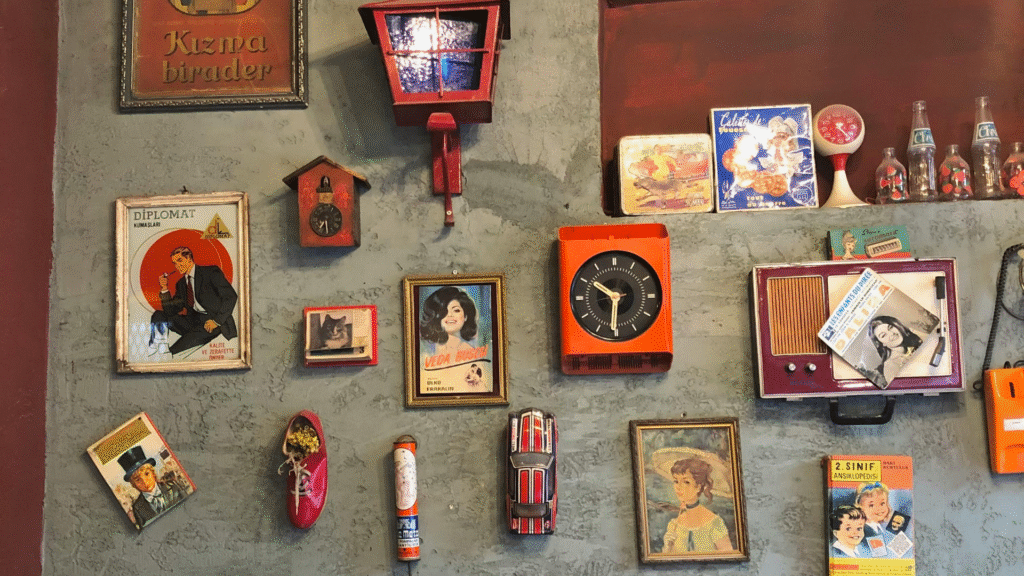
Creating an appealing display for memorabilia can transform treasured items into captivating focal points in any space. To effectively display memorabilia, consider the context, choose appropriate framing, and arrange items thoughtfully to enhance their significance. This approach not only honors the memories attached to the objects but also engages viewers, sparking interest and conversation.
Lighting plays a crucial role in showcasing memorabilia. Proper illumination can highlight details and create an inviting atmosphere. Display cases and shelves can also incorporate thematic elements, drawing attention to particular collections or stories behind each piece.
Ultimately, the way memorabilia is displayed can reflect personal style and sentiment. Thoughtful arrangements invite guests to appreciate each item’s story and significance, making the space feel more personal and dynamic.
Understanding Memorabilia and Its Value
Memorabilia encompasses various collectibles that hold significant emotional and monetary value. Items can range from sports memorabilia to historical artifacts, each carrying its own unique importance to collectors and fans alike.
Types of Memorabilia
Memorabilia can be classified into several categories. Sports memorabilia includes items like jerseys, trading cards, and signed equipment. These items are particularly sought after by fans and collectors, often reflecting pivotal moments in sports history.
Historical collectibles might consist of letters, photographs, or artifacts that tell stories of significant events or figures. Pop culture memorabilia includes movie posters, music records, and artist-related merchandise that capture defining moments in entertainment history. As global music trends continue to evolve, collectible items tied to specific fan cultures have also gained prominence. For instance, official K-Pop light sticks have become highly sought-after memorabilia, symbolizing both fan identity and the worldwide reach of contemporary music culture. Each type varies in value based on its rarity, condition, and provenance.
Since authenticity and condition heavily influence value, proper verification is an essential part of collecting. For example, trading cards are often evaluated through psa card grading, which assesses quality and ensures legitimacy.
Similarly, sports memorabilia may be authenticated through signed certificates or holograms, while historical and pop culture items typically rely on provenance records or expert appraisal. Ultimately, these authentication processes not only protect collectors but also preserve the credibility and long-term worth of each piece.
Significance of Collectibles
The significance of memorabilia lies in its ability to evoke memories and connect individuals to personal experiences. For many, owning a piece of memorabilia can represent a deeper connection to a favorite athlete, actor, or historical event.
Financially, collectibles can appreciate over time, making them lucrative investments. Factors influencing value include demand, rarity, and the item’s condition. Certificates of authenticity often enhance value, providing assurance of legitimacy. Collecting can also foster community, as enthusiasts share knowledge and passion with others who appreciate the same items.
Choosing the Right Memorabilia Display
Selecting an appropriate display for memorabilia is crucial for preservation and presentation. Understanding specific needs, the advantages of different display cases, and suitable materials are key considerations in this process.
Assessing Display Needs
Assessing specific display needs begins with identifying the type of memorabilia. Items such as sports jerseys, awards, or collectibles each require different approaches.
Next, consider the size and space available. Measure the area where the display will be located to ensure a good fit.
Important factors include whether the memorabilia is delicate or requires protection from dust and damage. For instance, items subjected to sunlight should be displayed in cases with UV protection.
Developing a checklist can simplify this process, ensuring all requirements are met before making a purchase.
Benefits of Memorabilia Display Cases
Memorabilia display cases offer multiple advantages. Firstly, they protect items from physical damage, dust, and environmental factors.
Glass front flag cases are particularly popular for displaying flags, allowing visibility while providing a protective barrier.
Display cases can also enhance the aesthetic appeal of a collection. When designed well, they can add sophistication to a room.
Additionally, cases can be customized to fit specific needs. Some are equipped with lighting to highlight valuable items.
This protection and presentation balance make display cases an essential choice for serious collectors.
Selecting Display Materials
Choosing the right materials for memorabilia displays is vital for longevity. Common materials include wood, acrylic, and glass.
Wood offers a traditional look and durability, but may require finishes to prevent deterioration. Acrylic provides lightweight options with clarity, often more resistant to breaking than glass.
Glass is the classic choice for high-end displays, providing a premium look. Choosing UV-protective glass can further enhance protection against fading, ensuring colors remain vibrant.
Each material has distinct characteristics and potential costs. Evaluating these factors helps in selecting the most suitable display for specific memorabilia, ensuring long-term enjoyment and protection.
Creative Ways to Display Memorabilia
Displaying memorabilia effectively enhances the enjoyment of collectibles. Various methods can elevate the visibility and significance of cherished items while maintaining an organized appearance.
Wall-Mounted Solutions
Wall-mounted displays serve as an excellent way to showcase memorabilia without taking up floor space. Shadow boxes are popular for holding three-dimensional collectibles such as sports jerseys or concert tickets.
Floating shelves can also be used creatively. They allow items to be arranged artistically, giving depth to displays. Use LED strip lights to highlight specific items, adding a modern touch.
For framed items, using a gallery wall approach can showcase a collection effectively. Different frame styles can enhance visual interest, creating a personal narrative of the memorabilia displayed.
Freestanding Display Options
Freestanding displays offer versatile arrangements that can be moved around as needed. Display cases, such as glass cabinets, protect items while allowing easy viewing. These cases are ideal for fragile collectibles.
Acrylic stands are lightweight and can be used for various objects, from action figures to signed photographs. They provide a clear view while being unobtrusive.
Consider using pedestals for larger items. They draw the eye and create focal points. Arranging multiple display stands in a room can create a thematic flow, enhancing the overall design.
Themed and Personalized Displays
Themed displays allow for cohesive storytelling through memorabilia. Group items by category, such as travel, sports, or family heritage. This creates a narrative that viewers can connect with.
Personalized displays take customization further. Custom shelves or frames can reflect the owner’s personality and style. Incorporating colors and materials that match the surrounding decor ensures a seamless look.
Using labels adds context and enriches the display. Identify items with their stories, such as where they were obtained or their significance. This transforms a simple display into an engaging experience for both the owner and visitors.
Preserving and Maintaining Your Memorabilia
Proper care is vital for the longevity of memorabilia. Safe storage practices and environmental control can significantly enhance the preservation of valuable items.
Environmental Considerations
Humidity and temperature greatly impact the condition of memorabilia. The ideal environment for storage is cool, dry, and stable. A temperature range of 65-70°F and a humidity level of 40-60% is recommended.
Using a digital hygrometer and thermometer can aid in monitoring these conditions. Light exposure also poses a risk; hence, items should be kept away from direct sunlight to prevent fading and deterioration.
For display cases, opt for UV-protective glass that minimizes harmful light exposure. Additionally, keeping items away from sources of potential damage, such as heating vents or kitchens, ensures better preservation.
Long-Term Preservation Tips
Various techniques effectively preserve memorabilia. For items like photographs and documents, acid-free materials are crucial. Use acid-free sleeves or boxes to protect against deterioration. For trading cards, using protective accessories such as MTG card sleeves helps prevent edge wear, surface scratches, and damage caused by frequent handling, ensuring cards retain their condition over time.
For fabric-based memorabilia, such as jerseys or flags, store them flat or rolled, avoiding creasing. Avoid using tape or adhesives directly on items, as they can cause damage over time.
For collectibles, it’s wise to regularly inspect for signs of damage or wear. Dusting display cases with a soft, lint-free cloth helps maintain a clean appearance without scratching surfaces. Each of these practices contributes to maintaining the value and integrity of memorabilia over time.