
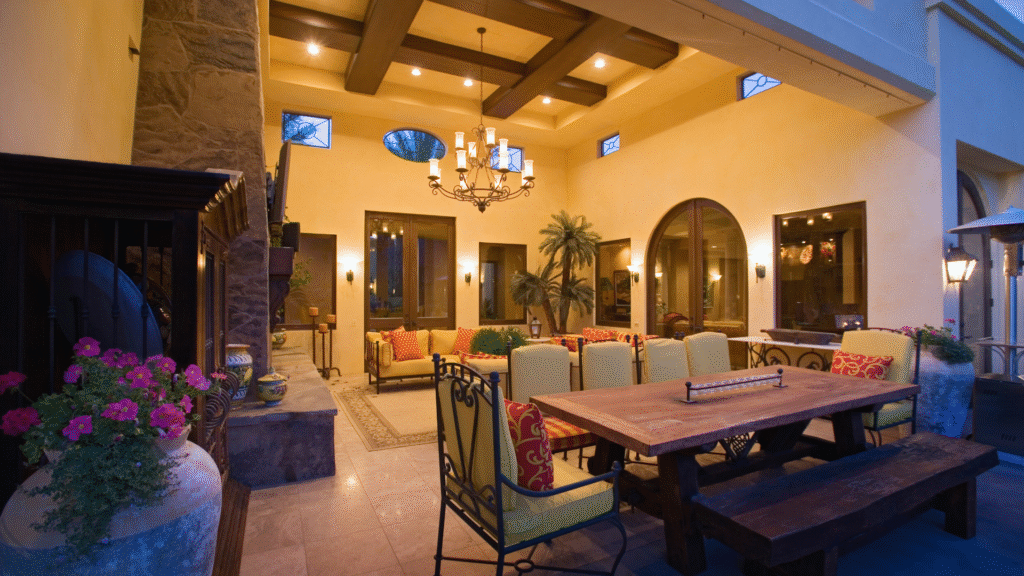
Mixing high-end and budget pieces in interior design can create a unique and personalized space that showcases individual style without breaking the bank. The key to successfully blending these elements lies in a thoughtful approach that prioritizes balance and cohesion. By incorporating statement pieces alongside affordable finds, it’s possible to achieve an inviting environment that reflects both taste and practicality.
Choosing a few standout luxury items that serve as focal points can elevate the overall aesthetic of a room. Budget-friendly accessories and furnishings can complement these high-end choices, enhancing the visual appeal while keeping costs manageable. This strategy allows individuals to indulge in quality without sacrificing their financial goals.
Attention to detail is essential in this mix-and-match approach. Color schemes, textures, and styles should harmonize to create an integrated look. By focusing on these aspects, anyone can achieve a sophisticated design that feels curated and intentional.
The Art Of Mixing High-End And Budget Pieces
Blending high-end and budget decor can elevate an interior design project while maintaining financial balance. Understanding the distinctions between these pieces, the advantages of mixing them, and how to establish a cohesive color scheme can create a harmonious environment.
Defining High-End Versus Budget Decor
High-end decor typically refers to products made from premium materials, featuring exquisite craftsmanship and design. Examples include luxury brands offering handcrafted furniture or designer light fixtures. This can also include vintage or even antique items, such as these beautiful Reclaimed Georgian Fireplaces, which are hundreds of years old and unlike anything found nowadays. Such items often come with a steep price tag due to their exclusivity and durability.
In contrast, budget decor encompasses affordable options that still offer style and functionality. These might include mass-produced furniture, accessible brands, or DIY projects. While they may lack the same level of luxury, budget pieces can be stylish and practical, making them popular for those on a tighter budget.
Benefits Of Combining Price Points
Mixing price points can lead to unique and personalized interior home designs. One primary benefit is the opportunity to invest in key statement pieces, such as a quality sofa or artwork, while saving on less critical items like decorative pillows or basic shelving.
This approach not only enhances the overall aesthetic but also allows for versatility in design. Incorporating a high-end piece can elevate surrounding budget items, creating contrast and visual interest. Additionally, blending these elements encourages creativity, allowing for a more diverse and eclectic space.
Establishing Your Color Scheme And Style
A cohesive color palette is essential when mixing high-end and budget pieces. Start by selecting a base color and building a palette that includes 2-3 complementary shades. This will unify different items, regardless of their price point.
In terms of style, identify the predominant design theme—be it contemporary, classic, or bohemian. Use this theme to guide selections, ensuring that each piece contributes to the overall vision. Accessories, such as artwork and textiles, can play a pivotal role in reinforcing the chosen aesthetic while providing budget-friendly options.
Strategic Placement For Effortless Elegance
Thoughtful arrangement and placement can significantly enhance the look of a space. Strategic decisions regarding statement pieces and the integration of budget items can create a cohesive and stylish environment.
Choosing Statement Pieces To Anchor Your Room
Statement pieces serve as focal points that define a room’s character. In a living room, this might be a bold sofa, a striking coffee table, an eye-catching piece of artwork, or fireplace suites that add both visual presence and a sense of warmth.
Selecting one or two strong statements can set the tone. For instance, a vibrant painting can draw attention and inspire surrounding décor choices.
Placement is key; position these items where they will be seen first. Arranging accent pieces around them helps unify the design. Accessories such as vases or books can complement without overwhelming the main features.
Blending Budget Finds With Investment Items
Combining budget-friendly items with high-end pieces requires a balanced approach. Start by placing investment items prominently, such as a designer armchair or a quality area rug.
Next, integrate budget findings strategically. This can include decorative pillows, throws, or affordable artwork that echoes colors or motifs from the more expensive pieces.
Layering these elements creates visual interest without compromising style. Using a mix of materials, like glass alongside wood or metal, can enhance the overall aesthetic. Prioritize cohesion in color and style to ensure that both high-end and budget items work harmoniously together.
Layering Texture, Patterns, And Soft Furnishings
Creating a harmonious interior involves skillfully layering textures, patterns, and soft furnishings. This approach enhances visual interest while allowing high-end and budget pieces to coexist seamlessly in a space. Attention to specific elements can elevate the overall design.
Incorporating Textures For Depth
Textures add dimension to any room, providing a tactile experience that enriches the aesthetic. Mixing materials such as wood, metal, and fabric can create a balanced look. For instance, pairing a sleek leather sofa with a chunky knit blanket introduces warmth and contrast.
Examples of Textures to Use:
- Natural Fibers: Linen, wool, and cotton offer soft, breathable options.
- Metal Accents: Brass or chrome fixtures bring a modern touch.
- Wood Elements: Utilize reclaimed wood for rustic charm.
Layering these textures strategically, like draping a soft throw over a textured armchair, invites touch and comfort while enhancing style.
Mixing Patterns Across Different Price Points
Combining patterns effectively allows for creativity while maintaining a cohesive look. It’s important to choose patterns that complement each other, balancing bold designs with subtle ones. For example, a high-end geometric print can pair well with a budget-friendly floral pattern.
Tips for Mixing Patterns:
- Stick to a Color Palette: Use a consistent color scheme to tie patterns together.
- Vary Scale: Mix large-scale patterns with smaller ones to avoid overwhelming the space.
- Limit Patterns: Aim for three to five patterns to maintain visual harmony.
A thoughtfully curated mix of patterns can turn a simple room into a dynamic, layered environment.
Utilizing Pillows And Rugs For Cohesion
Soft furnishings like pillows and rugs are essential in unifying different design elements. They can add color, texture, and pattern, making them versatile tools in interior design. Investing in a few high-quality pillows can elevate the look of budget-friendly furniture.
Key Strategies:
- Layering Rugs: Use a large, neutral base rug with smaller, patterned rugs on top. This adds depth.
- Pillow Arrangement: Combine various sizes and patterns on a sofa or bed for an inviting appearance.
- Color Coordination: Select pillows that reflect the predominant colors in the space for a cohesive feel.
Using these elements cleverly encourages a layered look without overwhelming the senses.
Adding Wallpaper And Flooring For Visual Interest
Wallpaper and flooring are fundamental in defining a room’s character. Wallpaper can introduce a cohesive theme or act as a statement piece. High-end vinyl or peel-and-stick options offer affordable ways to incorporate bold designs.
Considerations for Wallpaper:
- Feature Walls: Create impact with one wall showcasing a striking pattern.
- Textured Options: Explore grasscloth or textured vinyl to add depth.
When it comes to flooring, mixing different materials can enhance visual interest.
Flooring Ideas:
- Layering Textures: Combine hardwood with a decorative area rug.
- Mixing Styles: Pair high-end tiles with budget-friendly laminate for a stylish appearance.
Careful selection of wallpaper and flooring enriches the overall aesthetic while allowing high-end and budget pieces to shine. Additionally, consider materials like vinyl, which can mimic the appearance of other materials while offering durability and affordability. Exploring options for quality vinyl flooring Singapore (or elsewhere) can provide a variety of choices to suit your specific needs and budget. With a wide range of colors, patterns, and textures available, vinyl flooring can enhance the overall aesthetics of your space without compromising on practicality.
Accessorizing And Adapting Your Space On A Budget
Creating a stylish interior doesn’t require a hefty budget. By focusing on smart accessorizing, utilizing multi-functional furniture, shopping for one’s home, and leveraging lighting, anyone can enhance their space affordably.
Smart Accessorizing For Personalized Touches
Accessorizing allows for a unique reflection of personal taste. Key accessories can include art pieces, decorative pillows, and rugs.
- Art: Consider prints from local artists or even DIY creations. Framing inexpensive prints can replicate the feel of gallery art.
- Pillows: Mixing textures and colors in pillows can brighten up a neutral sofa or bed.
- Rugs: Use smaller area rugs to define spaces within an open layout without committing to a full room renovation.
Choosing a few statement pieces rather than many can create a bold impression without overwhelming the budget.
Making The Most Of Multi-Functional Furniture
Multi-functional furniture maximizes space while keeping costs down.
- Sofa Beds: A sofa bed provides seating during the day and a sleeping area for guests at night.
- Ottomans: These can serve as both seating and storage, helping to keep a room organized.
- Drop-leaf Tables: These tables expand for dining needs but can be compact for smaller spaces when not in use.
Investing in adaptable items allows for flexibility and ease in small or crowded areas.
Shopping Your Own Home And Repurposing
Before purchasing new items, consider existing possessions.
- Rearranging: Moving furniture around can breathe new life into a room.
- Reimagining Decor: Paint or reupholster old furniture to make it feel fresh.
- Mix and Match: Combining older items with new accessories can create an interesting contrast and make a style statement.
Exploring one’s own home can yield surprising finds that bring personality and charm to any space.
The Role Of Lighting In Budget-Conscious Design
Lighting significantly influences the ambiance of a room and affordability.
- Layered Lighting: Incorporating floor lamps, table lamps, and string lights can create depth.
- Dimmers: Installing dimmer switches allows for adjustable lighting for various occasions without major expense.
- Reflective Surfaces: Mirrors can enhance natural light and make spaces feel larger and brighter.
Effective lighting not only saves costs but also transforms the overall aesthetic, ensuring a polished look while adhering to a budget.