
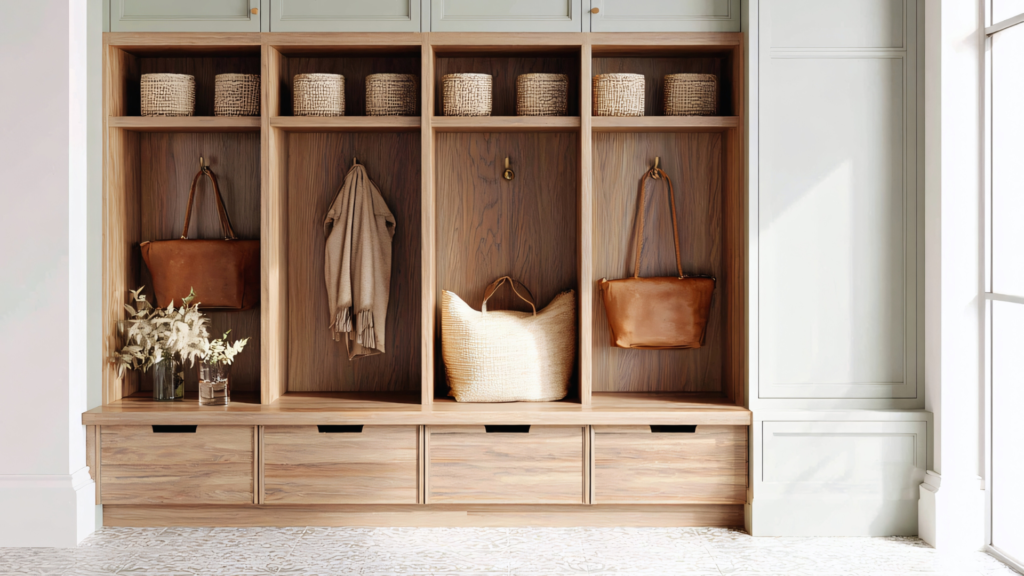
Simple storage solutions can transform cluttered spaces into organized, functional areas without extensive renovations or costly equipment. Using multi-purpose furniture, vertical storage, and clear containers are effective ways to maximize your home’s storage capacity. These approaches help keep items accessible while maintaining a clean look.
Many homes struggle with limited space, but the right strategies can make a significant difference. Small closets, under-utilized corners, and even entryways offer opportunities for smart storage when paired with practical tools like shelves, hooks, and bins. Implementing these ideas keeps daily life more efficient and reduces stress caused by disorganization.
Fundamentals of Simple Storage Solutions
Effective storage requires a clear grasp of what needs organizing, why simplicity matters, and how much space is realistically available. These elements form the basis for implementing solutions that fit both lifestyle and home dimensions.
Understanding Home Storage Needs
Identifying exactly what items need storage is the initial step. This involves categorizing belongings by type, use, and frequency of access. Seasonal items, daily-use objects, and sentimental belongings demand different storage approaches.
Consider creating an inventory list to gauge quantity and size. This helps prevent buying oversized or unsuitable storage units. Prioritize items that contribute to clutter and allocate dedicated spaces to them.
Storage needs often fluctuate. Regular reassessment ensures systems accommodate changing possessions without becoming obsolete or overflowing.
Benefits of Simplified Storage
Simple storage reduces clutter by promoting order and accessibility. It encourages efficient use of available space and eases maintenance.
A straightforward system minimizes time spent searching for items. This can decrease stress related to disorganization. Additionally, it supports a cleaner aesthetic by avoiding overwhelming or bulky furniture.
Reduced complexity means fewer storage solutions are needed, which lowers costs. It also allows flexibility to adapt as needs shift, without a full overhaul.
Assessing Available Space
Measure every area where storage could fit, including overlooked spots like under beds or unused walls. Record dimensions and note obstacles such as heating vents or light switches.
Understand the difference between fixed and flexible storage spaces. Fixed areas may require permanent installations, while flexible spaces work with movable or temporary units.
Analyze vertical space potential. Shelving, hooks, and stacked containers can multiply storage capacity without expanding the footprint.
| Space Type | Examples | Considerations |
| Fixed | Built-in closets | Requires precise measurements |
| Flexible | Freestanding shelves | Easy to reposition |
| Vertical | Wall hooks, shelves | Maximizes unused airspace |
Decluttering Before Organizing
Effective home storage starts by reducing excess items and grouping what remains. Deciding which belongings to keep or remove streamlines the next steps of organizing and prevents clutter from returning.
Sorting and Categorizing Items
Begin by gathering all items from a specific area, such as a closet or drawer. Sort them into clear categories like clothes, paperwork, kitchen tools, or toys. Use labeled bins or boxes to separate each group, which visually simplifies what you have.
Within each category, distinguish between frequently used and rarely used items. This helps prioritize storage locations based on accessibility. Sorting also uncovers duplicates or broken items that may need attention before organizing.
Donating and Discarding Unnecessary Items
Once sorted, review each category to identify items no longer needed. Donate usable goods to local charities or resale outlets. For damaged or obsolete items, arrange proper recycling or disposal.
Doing this reduces volume significantly, saving storage space and making organization more manageable. Keep a checklist of donated items to track contributions and ensure accountability.
Efficient Storage for Living Rooms
Smart use of space helps keep living rooms tidy and functional. Combining vertical storage, versatile furniture, and concealed compartments can reduce clutter without sacrificing style or comfort.
Maximizing Vertical Space
Utilize wall-mounted shelves and tall bookcases to free up floor area. Shelves above doorways or windows add storage without hindering light or movement.
Floating shelves offer flexibility for books, décor, and electronics. Install hooks or pegboards on empty walls to hang items like headphones, keys, or plants.
Vertical storage keeps frequently used items accessible while maintaining organization. Choose furniture with built-in shelving to add height and storage surface simultaneously.
Multipurpose Furniture Solutions
Furniture that doubles as storage maximizes limited living room space. Ottomans with removable lids provide hidden space ideal for blankets or magazines.
Coffee tables with drawers or shelves underneath combine convenience and storage. Sofas with built-in storage under cushions offer hidden compartments for toys or chargers.
Consider foldable or stackable pieces that expand or contract based on needs. Prioritize clean lines and neutral colors to keep the room visually open despite added storage.
Hidden Storage Options
Concealed storage helps maintain a minimalist look while staying practical. Storage benches with hinged seats serve as extra seating and clutter containment.
Use recessed wall cabinets or built-in shelves hidden behind doors or panels. Consider window seats with lift-up tops that use under-bench space efficiently.
Furniture with secret drawers or compartments is valuable for storing personal items discreetly. Emphasize integrating hidden spaces in high-traffic areas for ease of access.
Practical Kitchen Storage Solutions
Maximizing kitchen space requires efficient use of cabinets, drawers, and pantry areas. Choosing the right containers enhances storage and keeps items accessible.
Organizing Cabinets and Drawers
Use pull-out shelves or wire racks to improve visibility and access in cabinets. Group similar items like baking supplies or spices to avoid clutter. Drawer dividers help keep utensils separated and easy to find.
Stack pots and pans with protective liners to save space and prevent damage. Consider using vertical dividers for cutting boards and baking sheets. Regularly declutter to remove expired or unused items.
Utilizing Pantry Space
Install adjustable shelves to customize heights for different product sizes. Use clear bins to group snacks, canned goods, or grains. Label containers clearly for quick identification.
Add door-mounted racks for small items like spices or condiments. Keep frequently used items at eye level and heavier items on lower shelves. Rotate stock by placing newer items behind older ones.
Space-Saving Containers
Choose stackable containers that are airtight and transparent. Uniform shapes help maximize storage efficiency. Use containers with measurement markings for convenience.
Opt for multi-functional containers that can go from fridge to microwave to table. Magnetic spice jars that attach to the fridge door save counter and cabinet space. Consider collapsible containers for items you don’t store frequently.
Bedroom Storage Simplified
Maximizing bedroom storage involves smart use of under-bed space, efficient closet organization, and multifunctional furniture pieces. Keeping essentials accessible while maintaining order is key to a clutter-free environment.
Under-Bed Storage Ideas
Using the space beneath your bed can free up significant space in your bedroom. Opt for flat, wheeled storage bins to easily slide items in and out. Clear plastic containers are helpful, allowing you to see contents without opening them.
Vacuum-sealed bags are ideal for storing seasonal clothes or bulky items like blankets. Consider beds with built-in drawers for a permanent under-bed solution. Avoid piling items directly on the floor to prevent dust and damage.
Closet Organization Techniques
Closets benefit from layered storage approaches. Use slim, non-slip hangers to increase hanging capacity. Add shelves or hanging organizers for folded clothes, accessories, or shoes.
Label storage bins or baskets for quick identification. Using double hanging rods can almost double your available space for shorter garments. Regularly reassess and declutter to keep the closet functional.
Compact Nightstand Storage
Choose nightstands with drawers or open shelves for versatile storage. Keep daily-use items like glasses, books, or chargers within easy reach but out of sight to maintain a tidy look.
Use drawer organizers to separate small items such as jewelry or medications. Wall-mounted nightstands save floor space and can come with built-in power outlets for charging devices.
Bathroom Organization Tips
Effective bathroom organization relies on making the most of limited space and using vertical areas smartly. Choosing storage options that fit the room’s layout can reduce clutter and improve accessibility.
Small Space Solutions
In small bathrooms, maximizing every inch is essential. Use narrow shelving units or slim rolling carts that fit between fixtures or in corners. Over-the-door hooks and racks provide extra storage without taking up floor space.
Clear containers help keep items visible and orderly, reducing time spent searching for products. Magnetic strips attached inside cabinets are useful for holding metal tools like tweezers and nail clippers.
Frequent decluttering is key. Only keep daily essentials on open shelves while storing less-used items in labeled bins or baskets. This prevents overcrowding and maintains a tidy appearance.
Over-the-Toilet Storage Options
The area above the toilet is often unused but ideal for adding storage. Over-the-toilet shelving units or cabinets can store toiletries, towels, and cleaning supplies neatly.
Choose materials resistant to moisture, such as metal or laminate finishes, to avoid damage. Adjustable shelves allow customization to fit taller or bulkier items, increasing versatility.
For a minimalist look, wall-mounted shelves with basket organizers keep the space functional but visually light. Ensure shelves are securely anchored to support the weight safely.
Entryway and Mudroom Storage Ideas
Effective entryway and mudroom storage focuses on keeping frequently used items easy to access and organized. Prioritizing functional solutions helps reduce clutter while maximizing space. Key components include specialized storage for footwear and outerwear, along with versatile furnishings that support everyday routines.
Shoe and Outerwear Organization
Designate specific areas for shoes to prevent mess and simplify clean-up. Use cubby shelves, slanted racks, or pull-out drawers to store footwear by type or family member. Elevating shoes off the floor also protects surfaces and keeps entryways tidy.
Outerwear benefits from dedicated hanging space. Install a wall-mounted coat rack or freestanding garment rack near the door to hold jackets, scarves, and hats. Consider adding a small closet or built-in cabinets with adjustable shelves for seasonal storage.
Labels or color coding can help maintain order, especially in busy households. Proper ventilation and waterproof liners in storage units extend the life of coats and shoes.
Hooks, Baskets, and Benches
Hooks provide flexible storage for items like bags, keys, and pet leashes. Position multiple sturdy hooks at varied heights to accommodate adults, children, and different object sizes. Metal or wood hooks both offer durability and style options.
Baskets add concealed storage for smaller accessories. Choose stackable wicker baskets for a natural look or plastic bins for easy cleaning. Label baskets by content (e.g., gloves, hats) to speed up daily routines.
Benches serve a dual purpose: seating and hidden storage. Opt for a bench with an internal lid or cubbies beneath to stash shoes or sports gear. This keeps items off the floor and provides a convenient spot to put on or take off footwear.
Garage and Utility Room Storage
Effective storage in garages and utility rooms maximizes space while keeping tools, equipment, and supplies organized and accessible. Using vertical space and easy-to-reach storage solutions helps maintain order in these often cluttered areas.
Wall-Mounted Systems
Wall-mounted systems free up floor space by utilizing the walls for storage. Pegboards, slat walls, and hooks allow for flexible arrangements of hand tools, gardening equipment, and frequently used items.
These systems support various attachments like baskets and tool holders, making it easier to customize storage based on individual needs. Installation near workbenches can enhance efficiency by keeping essential tools visible and within arm’s reach.
Metal or heavy-duty plastic components ensure durability, especially in environments exposed to moisture or temperature fluctuations common in garages and utility rooms.
Open Shelving and Racks
Open shelving units provide quick visual access to stored items, which is ideal for bulkier tools, paint cans, and storage bins. Adjustable shelves allow you to accommodate taller or irregularly shaped objects without wasted space.
Racks designed for utility rooms often include space for cleaning supplies or sports equipment. When choosing materials, consider metal or treated wood for resistance to humidity and wear.
Placement near entry points or work areas can reduce the time spent searching for materials and improve overall workflow in these functional spaces.
Children’s Room and Toy Storage
Effective storage in children’s rooms promotes independence and tidiness. Choosing the right systems makes it easier for kids to access their belongings and helps keep toys organized in a functional way.
Accessible Storage for Kids
Storage solutions should be within easy reach for children to encourage self-sufficiency. Low shelves, labeled bins, and pull-out drawers help kids find and store items without adult assistance.
Using clear containers or color-coded bins can simplify sorting and returning items. Hooks mounted at child height are useful for backpacks and dress-up clothes.
Safety matters too. Choose rounded edges and sturdy materials to prevent accidents. Adjustable shelves can grow with the child, extending the lifespan of the storage system.
Organizing Toys and Games
Divide toys by type or play activity using baskets, stackable boxes, or cubbies. Grouping similar items together reduces clutter and quickens clean-up time.
Flat storage containers work well for board games and puzzles, preventing damage and keeping pieces together. Label each storage unit with words or pictures to guide children in putting items away correctly.
Rotating toys between storage areas can limit overwhelm and keep playtime fresh. Designating a specific “toy zone” defines the play area and helps contain mess.
Home Office Organization
Effective home office organization relies on maximizing available desk space and keeping important documents in order. Prioritizing accessible storage and streamlined paperwork management reduces clutter and improves productivity.
Desk Storage Solutions
Choose desk organizers like trays, drawer dividers, or small bins to separate pens, cables, and office supplies. Vertical storage options, such as shelving above or beside the desk, help keep frequently used items within reach without crowding the workspace.
Use multi-functional furniture, like desks with built-in drawers or compartments, to reduce the need for additional storage units. Labeling storage containers and keeping only essential tools on the desk prevents buildup and maintains a clear work surface.
Paperwork and File Management
Implement a filing system using labeled folders or binders sorted by project, client, or date. Consider a vertical file holder or a desktop file rack for easy access to current documents.
Regularly review and discard outdated papers to avoid accumulation. Digital scanning of important documents reduces paper use and creates backup copies. Keep a shredder nearby for proper disposal of sensitive information.
Decorative Storage Options
Effective storage can enhance a room’s look while keeping items organized. Choosing storage pieces that complement your décor ensures functionality without sacrificing style.
Baskets and Decorative Boxes
Baskets and decorative boxes provide versatile storage solutions that blend with various interior designs. Materials like wicker, fabric, or metal offer texture and color options suited for living rooms, bedrooms, or bathrooms.
Baskets are ideal for storing blankets, toys, or magazines. They can be placed under tables or stacked neatly in corners. Decorative boxes work well for smaller items, such as remote controls, stationery, or jewelry, keeping surfaces clutter-free.
Prioritize baskets or boxes with lids to maintain a clean look. Sizes vary, so select ones that fit your available space without overwhelming the area. Labels or tags can add functionality without disrupting the aesthetic.
Stylish Display Shelves
Display shelves combine storage with presentation, making them useful for books, plants, or collectibles. Open shelves allow easy access, while floating shelves save floor space and create a modern appearance.
Choose sturdy materials like wood or metal to hold heavier items safely. Customizable shelves with adjustable height provide flexibility for different objects. Group shelves in odd numbers for visual balance.
Consider integrating LED lighting on or under shelves for added emphasis. This highlights stored items and enhances the room ambiance. Keep surfaces free of excess clutter to maintain a tidy, attractive setup.
Maintaining an Organized Home
Keeping a home organized requires consistent effort and simple habits. Regularly putting items back in their designated places saves time and reduces clutter. A daily 10-minute tidy-up can prevent messes from accumulating.
Using storage solutions effectively depends on clear labeling and categorization. Labels help everyone in the household know where things belong. Consider using clear containers to easily see contents without opening boxes.
Create routines that support organization, such as sorting mail immediately or clearing surfaces each evening. These small habits build a cleaner, more manageable living space.
| Tip | Action | Benefit |
| Label storage bins | Write contents on containers | Quick identification |
| Rotate seasonal items | Store off-season gear separately | Saves space |
| Use multi-purpose furniture | Incorporate hidden storage | Maximizes room utility |
Organizing should be practical, not overwhelming. Start with one area at a time and avoid keeping unused items. Donate or recycle things no longer needed to maintain space.
Setting limits on how much to keep, especially for similar items, reduces clutter. This clear, steady approach supports a more organized, functional home.