
Maintaining your home doesn’t have to be complicated or time-consuming. Simple, regular upkeep can prevent costly repairs and extend the life of your property. Basic tasks like checking for leaks, cleaning gutters, and changing HVAC filters make a significant difference.
Understanding easy maintenance routines helps keep your home safe and comfortable year-round. Small efforts now can save money and reduce stress later. This guide covers practical tips that anyone can manage without specialized skills.
Essential Home Maintenance Habits
Maintaining a home requires consistent attention to prevent small issues from becoming costly problems. This involves regular inspections, cleaning routines tailored to the seasons, and frequent basic upkeep.
Monthly Home Checklists
Conduct key inspections every month to catch potential issues early. Check smoke detectors and replace batteries if needed. Test carbon monoxide detectors as well.
Inspect plumbing for leaks under sinks and around toilets. Look for moisture or signs of water damage to avoid costly repairs. Clean or replace HVAC filters monthly to maintain air quality and efficiency.
Check exterior elements such as gutters and downspouts. Remove debris to prevent water backup. Examine door and window seals for wear and replace weather stripping if necessary to improve insulation.
Seasonal Cleaning Routines
Adjust cleaning tasks according to the season to maintain a healthy environment. In spring, focus on deep cleaning carpets, windows, and outdoor areas like decks and patios.
In summer, clean and inspect air conditioning units and vents to ensure efficient cooling. Remove dust and debris from fans and light fixtures.
Autumn tasks include checking the heating system and sealing gaps where cold air might enter. Winter requires monitoring pipes for freezing and clearing snow from walkways to prevent accidents.
Weekly Upkeep Practices
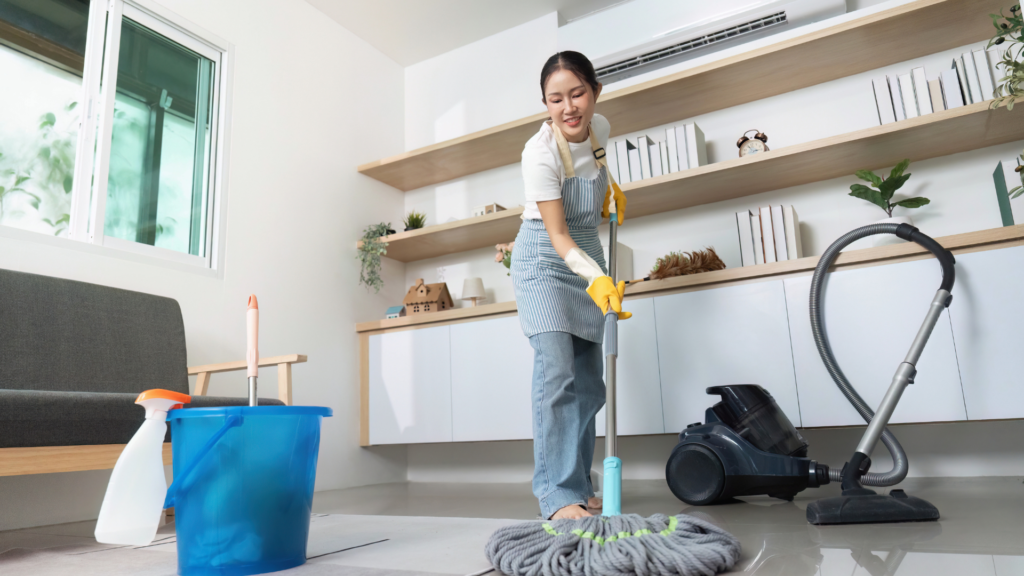
Perform minor but regular duties to keep the home functional. Vacuum high-traffic areas and mop hard floors to reduce dust and allergens.
Wipe kitchen counters and clean the sink daily to prevent bacteria build-up. Check for clogged drains and address minor blockages early.
Inspect garbage and recycling bins, removing any spills or buildup. This prevents odors and pest issues. Small, consistent efforts reduce the need for major repairs later.
Preventive Care for Plumbing Systems
Maintaining a plumbing system requires attention to leaks and the proper care of drains and faucets. Regular checks and timely interventions prevent costly repairs and water waste.
Detecting and Stopping Leaks Early
Inspect visible pipes, joints, and faucets regularly for signs of moisture or corrosion. Small drips can waste gallons of water daily and increase utility bills.
Listen for dripping sounds when water is off, and check under sinks and around toilets. Use food coloring in toilet tanks to detect hidden leaks by seeing if color appears in the bowl without flushing.
If leaks are found, turn off the water supply quickly. Replace worn washers, tighten connections, or consult a professional for major repairs to avoid water damage.
Maintaining Drains and Faucets
Clean drains monthly to prevent buildup that can cause clogs. Pour boiling water or a mixture of baking soda and vinegar into drains to clear debris and reduce odor.
Replace faucet washers or cartridges to fix dripping taps, which prevent water waste and damage from constant moisture. Ensure faucet handles operate smoothly and without resistance.
Avoid using harsh chemical drain cleaners; instead, rely on mechanical methods like plungers or drain snakes for stubborn clogs. Regular preventive care extends the lifespan of plumbing fixtures.
Keeping Heating and Cooling Efficient
Proper care of your heating and cooling system improves air quality and lowers energy costs. Simple steps like changing filters and cleaning vents help maintain consistent airflow and prevent strain on your equipment.
Replacing Air Filters Regularly
Air filters trap dust, allergens, and debris, preventing them from circulating through your home. Replace your filters every 1 to 3 months, depending on usage and filter type. A clogged filter reduces airflow, forcing your system to work harder and raising energy bills.
Choose filters with the appropriate MERV rating for your system; higher ratings capture smaller particles but may restrict airflow if too dense. Mark the filter installation date on the frame to track replacements easily. Regular filter changes extend your HVAC system’s lifespan and improve indoor air quality.
Maintaining HVAC Vents
Keep HVAC vents clear of obstructions like furniture, curtains, or dust buildup. Blocked vents cause uneven temperatures and reduce system efficiency. Clean vent covers quarterly by gently removing dust with a vacuum or a damp cloth.
Inspect ducts periodically for leaks or damage that can waste energy. Sealing gaps with duct tape or mastic improves airflow and reduces utility costs. Proper vent maintenance ensures your heating and cooling system delivers optimal performance throughout the year.
Electrical Safety and Maintenance
Regular checks and maintenance of electrical components reduce the risks of fire and ensure proper functioning. Focus on keeping detectors operational and inspecting outlets and cords for damage or wear.
Testing Smoke and Carbon Monoxide Detectors
Test smoke and carbon monoxide detectors monthly to ensure they work correctly. Press the test button until the alarm sounds, confirming the sensor is active.
Replace batteries at least once a year or immediately if the device emits a low-battery warning beep. For units with sealed lithium batteries, check expiration dates and replace the entire device every 7-10 years.
Keep detectors free of dust and debris by gently vacuuming the exterior. Avoid painting over or covering the m as this can impair sensitivity.
Inspecting Outlets and Extension Cords
Regularly inspect outlets for signs of discoloration, buzzing sounds, or warmth, which may indicate electrical problems. Avoid overloading outlets with multiple high-wattage devices.
Extension cords should be rated for the intended use and never run under rugs or through doorways. Replace cords with exposed wires, fraying, or cracked insulation immediately.
Use heavy-duty, grounded extension cords for appliances. Never use cords that feel hot to the touch after short use.
Roof and Gutter Upkeep
Proper roof and gutter maintenance prevents water damage and costly repairs. Pay close attention to debris buildup and signs of wear to maintain effectiveness.
Regular Gutter Cleaning
Gutters must be cleaned at least twice a year, ideally in spring and fall. Remove leaves, twigs, and dirt to ensure water flows freely. Clogged gutters can cause water to overflow, damaging siding and foundations.
Use a sturdy ladder and wear gloves for safety. After clearing debris by hand, flush gutters and downspouts with a hose to check for blockages.
Inspect gutter slopes to confirm water drains toward downspouts. Adjust brackets if water pools in certain areas. Consider installing gutter guards to reduce debris buildup, but still inspect regularly.
Inspecting for Roof Damage
Check your roof twice a year and after storms for missing, cracked, or curling shingles. Damaged shingles expose the underlayment, increasing leak risk.
Look for granule loss; excessive granule shedding means shingles are aging and may need replacement. Inspect flashing around chimneys, vents, and skylights to ensure it’s sealed tightly.
Inside the attic, examine for water stains or mold, signs of leaks. Replace or repair damaged shingles and flashing promptly to avoid structural damage. Use binoculars for a safe roof inspection if you cannot climb safely.
Simple Exterior Maintenance Tips
Maintaining the exterior of your home involves regular cleaning and timely repairs. Keeping surfaces clean and paint fresh helps protect your property from damage and preserves its curb appeal.
Pressure Washing Walkways
Pressure washing removes dirt, mold, algae, and stains from concrete, brick, or stone walkways quickly and effectively. Using a pressure washer with a psi between 1500 and 3000 is usually sufficient for most residential walkways.
Start by clearing debris and sweeping the surface. Hold the nozzle 12 to 24 inches away to avoid surface damage. Use a fan spray tip to distribute water evenly and keep the angle consistent. Move in smooth, overlapping passes for thorough cleaning.
Avoid pressure washing near fragile plants or electrical outlets. For stubborn stains, apply a detergent formulated for pressure washers before rinsing. Wear protective gear, including eye protection and gloves.
Touching Up Exterior Paint
Inspect your home’s exterior paint yearly for chips, cracks, or peeling. Addressing damage early prevents wood rot and water infiltration. Use a quality exterior paint matched in color and finish to the existing surface.
Prepare the area by scraping loose paint and sanding rough edges. Clean the surface with mild detergent and water, then let it dry completely. Apply primer to bare spots and allow it to dry before painting.
For even coverage, use a brush or roller suited to the surface texture. Apply two thin coats rather than one thick coat, allowing proper drying time between each. Maintain tools by cleaning them promptly after use.
Windows and Doors Care
Proper sealing and smooth operation are essential for maintaining energy efficiency and security. Regular upkeep focuses on preventing drafts and ensuring hardware functions correctly.
Checking Weatherstripping
Weatherstripping seals gaps between windows or doors and their frames. Inspect it every six months for cracks, brittleness, or gaps that let air through. Replace damaged strips to maintain insulation, reduce energy costs, and block moisture.
Types include foam tape, felt strips, and vinyl gaskets. Choose the right material based on your window or door design. Clean the surface before applying new weatherstripping to ensure adhesion. Press firmly and trim excess for a tight fit.
Lubricating Hinges and Locks
Lubrication prevents squeaks and wear in hinges and locks. Use a silicone-based spray or graphite lubricant instead of oil to avoid attracting dust. Apply sparingly to moving parts to keep mechanisms running smoothly.
Check hinges for rust or loose screws. Tighten screws and remove rust with a wire brush before lubricating. For locks, insert the lubricant into keyholes and work the key back and forth to spread it evenly.
Maintaining Indoor Air Quality
Indoor air quality depends largely on how well your home’s ventilation and humidity are managed. Regularly cleaning air vents and controlling moisture levels can reduce dust, allergens, and mold growth.
Cleaning Air Vents
Air vents accumulate dust, dirt, and debris over time, which restricts airflow and circulates pollutants. Cleaning vents every 3 to 6 months helps maintain efficient airflow and reduces allergens.
Start by turning off your HVAC system. Use a vacuum with a brush attachment to remove surface dust from vent covers. Next, remove the covers and wash them with soap and water if needed. Wipe the inside of duct openings with a damp cloth to pick up loose particles.
For deeper cleaning, consider professional duct cleaning every few years, especially if you notice mold, excessive dust, or smells. Regular vent maintenance supports better system efficiency and improves indoor air quality.
Using Dehumidifiers
Excess indoor humidity promotes mold growth and dust mite populations, which negatively impact air quality. Maintain indoor humidity between 30% and 50% using a dehumidifier in rooms prone to moisture.
Place a dehumidifier in basements, bathrooms, or kitchens where humidity tends to rise. Check and empty the water reservoir regularly to prevent bacterial buildup. Clean the unit’s filter monthly to keep it functioning efficiently.
A consistent humidity level not only improves comfort but also protects walls, furniture, and electronics from moisture damage. Using a hygrometer alongside a dehumidifier provides accurate humidity monitoring for better control.
Home Safety and Security Essentials
Maintaining safety at home involves both improving security systems and having accessible emergency supplies. Prioritizing practical updates to locks and alarms alongside organizing critical items ensures readiness for various situations.
Updating Security Measures
Start by inspecting all outside doors and windows to confirm they have sturdy locks. Replace any outdated deadbolts with Grade 1 or Grade 2 locks for better protection. Consider installing a smart doorbell with video capability to monitor visitors remotely.
Security cameras should cover entry points and blind spots. Use motion-activated lighting around doors and walkways to deter unwanted activity. Regularly test alarms and replace batteries every six months.
Limit key distribution and use a secure location for spare keys rather than hiding them outside. For added protection, create a home security plan with your family and review it periodically.
Organizing Emergency Supplies
Keep a designated area stocked with essential emergency items, such as a first aid kit, flashlights, and extra batteries. Include at least a three-day supply of bottled water and non-perishable food.
Store important documents like identification, insurance papers, and medical records in a waterproof container. Add a battery-powered or hand-crank radio to stay informed during power outages.
Review and replenish emergency supplies annually. Ensure that everyone in the household knows where the supplies are and how to use them.
Outdoor Landscaping Basics
Proper upkeep of lawns and plants prevents damage and supports healthy growth. Attention to watering, mowing, and pruning promotes a tidy, inviting outdoor space.
Routine Lawn Care
Mow the lawn regularly to maintain an even height of 2.5 to 3 inches for most grass types. Avoid cutting more than one-third of the blade length at once, which can stress the grass.
Water deeply once or twice a week, providing about one inch of water each time, preferably in the early morning. This encourages deep root growth and reduces disease risk.
Aerate compacted soil annually to improve air and water penetration. Fertilize in spring and fall with a balanced, slow-release fertilizer according to grass species requirements.
Trimming Trees and Shrubs
Prune shrubs after blooming to shape them and remove dead branches. Use clean, sharp tools and make cuts just above a bud or branch junction to promote healthy regrowth.
For trees, remove dead or diseased branches anytime to prevent spread. Perform major pruning during dormant seasons, typically late winter. Avoid over-pruning, which can weaken the tree.
Trim branches that are within 10 feet of power lines only by professionals to ensure safety and compliance with regulations.
Pest Prevention Strategies
Keeping pests out starts with eliminating entry points. Inspect your home regularly for cracks, gaps, and holes. Seal any openings around windows, doors, pipes, and vents using caulk or weatherstripping.
Maintaining cleanliness is key. Store food in airtight containers and dispose of garbage promptly. Regularly clean under appliances and behind furniture to remove crumbs and debris.
Monitor moisture levels inside and outside your home. Pests like insects and rodents thrive in damp environments. Fix leaky faucets, pipes, and gutters to reduce their access to water.
Use natural deterrents to discourage pests without chemicals. Examples include placing peppermint oil-soaked cotton balls near entrance points or using diatomaceous earth in crawl spaces and basements.
| Common Pest | Prevention Tip | Best Practice |
| Ants | Keep surfaces clean of food residue | Use vinegar spray on entry routes |
| Rodents | Seal holes larger than 1/4 inch | Store firewood away from walls |
| Cockroaches | Reduce moisture and clutter | Use bait traps inthe kitchen and bathrooms |
Regular outdoor maintenance is important, too. Trim shrubs and trees away from your house to limit pest access and breeding grounds. Clear leaves and debris to reduce hiding spots.
Applying these strategies consistently helps prevent infestations before they start.
Final Home Maintenance Review
Regular home maintenance prevents costly repairs and keeps your living space safe and comfortable. Paying attention to small tasks can extend the life of appliances, structures, and systems throughout the house.
A simple checklist helps track essential tasks throughout the year. For example:
| Task | Frequency | Priority |
| Check HVAC filters | Monthly | High |
| Clean gutters | Twice/year | Medium |
| Inspect the roof for damage | Annually | High |
| Test smoke and CO detectors | Monthly | High |
| Seal windows and doors | Annually | Medium |
Staying consistent with these activities protects your investment and prevents emergencies. Minor issues can be caught early before escalating into major problems.
Use reminders or apps to stay on schedule. If certain jobs feel overwhelming, consider hiring professionals for safety and efficiency.
Routine inspections and cleaning keep your home functional and energy-efficient. These simple steps promote comfort and help maintain property value over time.
Focus on the most critical systems first, then work down the list. A well-maintained home requires less immediate attention and lowers stress related to unexpected repairs.