
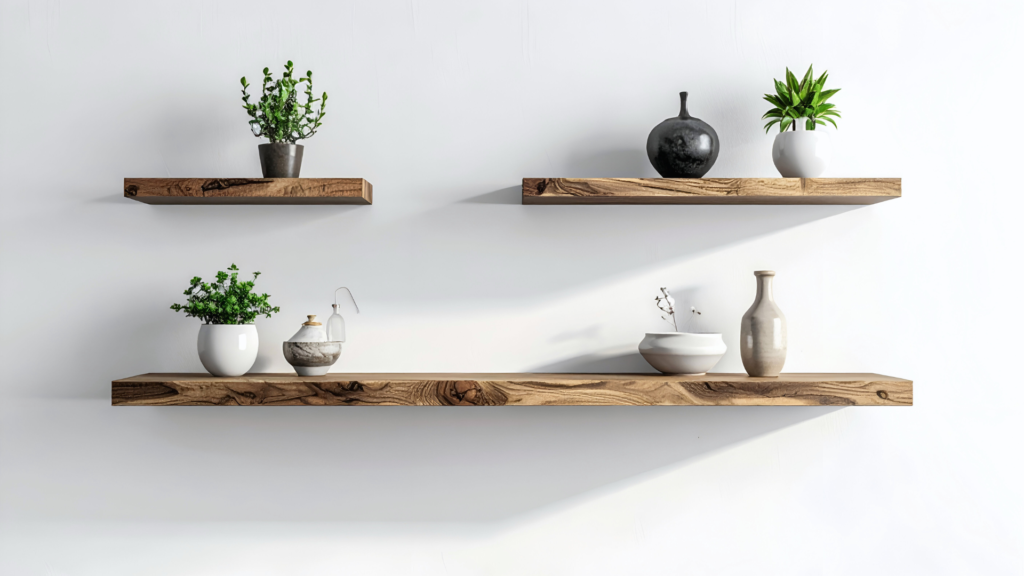
Simple home decor ideas can transform any space without requiring major renovations or expensive purchases. Using everyday items creatively, adding plants, and focusing on lighting are effective ways to refresh your home. These small changes can improve the look and feel of your rooms quickly.
Many people think decorating means a large budget or complex design plans, but that’s not true. With a few thoughtful touches—like rearranging furniture or adding new cushions—you can make your space more inviting and comfortable.
This guide will share practical tips that anyone can apply, regardless of style or experience. The goal is to help you enjoy a more attractive home without stress or overspending.
Getting Started with Simple Home Decor
Successful home decor starts with understanding your space, defining financial limits, and selecting colors that work well together. Clear planning helps avoid unnecessary purchases and ensures a balanced look.
Assessing Your Space and Needs
Begin by measuring your rooms carefully, noting dimensions and architectural features like windows or built-ins. Identify any problem areas that need addressing, such as poor lighting or awkward furniture placement.
Consider how each space will be used daily. For example, a living room might need durable seating for frequent guests, while a bedroom prioritizes comfort and calm. List your requirements to guide choices.
Document current furniture and decor that must stay, and what can be replaced. This helps prevent clutter and focuses on purposeful additions. Prioritize items that improve function and style.
Setting a Realistic Decor Budget
Determine how much you can spend without stress. Break the budget into categories like furniture, lighting, textiles, and accessories.
Allocate funds based on what matters most in your space. For instance:
| Category | Percentage of Budget |
| Furniture | 50% |
| Lighting | 20% |
| Textiles | 15% |
| Accessories | 15% |
Track spending regularly to avoid overspending. Use affordable options like secondhand stores or DIY projects to stretch the budget while maintaining quality.
Choosing a Cohesive Color Palette
Select 2-4 main colors that create balance and reinforce the mood you want. Choose one dominant shade, one or two supporting tones, and an accent color for interest.
Use tools like color wheels to find complementary or analogous colors. Neutral colors such as beige, gray, or white are versatile bases.
Apply color thoughtfully across walls, furniture, and decor to unify the space. Test samples before committing to avoid mismatched tones or overwhelming saturation.
Easy Living Room Decor Ideas
Creating a comfortable and visually appealing living room starts with thoughtful furniture layout, selective use of throw pillows, and the right rug choices. Each element plays a distinct role in defining the room’s atmosphere and functionality.
Arranging Furniture for Comfort
Arrange seating to encourage conversation and easy movement. Position sofas and chairs around a central point such as a coffee table or fireplace. Leave at least 18 inches of walking space between furniture pieces to avoid a cramped feeling.
Use furniture with clean lines and varied heights to add depth without clutter. Consider multipurpose pieces like ottomans with storage for practicality. Arrange seating to maximize natural light and ensure pathways are clear.
Enhancing Spaces with Throw Pillows
Use throw pillows to introduce color, texture, and pattern without overwhelming the space. Mix sizes and shapes, like square and lumbar, for visual interest. Group pillows in odd numbers for a natural look.
Choose pillow fabrics that complement the room’s existing textiles, such as linen for a casual vibe or velvet for softness. Prioritize durable, easy-to-clean materials for high-traffic rooms. Rotate pillows seasonally to refresh the look without replacing furniture.
Incorporating Stylish Rugs
Select rugs that anchor and define the seating area. The size should allow all furniture legs to fit on the rug, or at least the front legs. Avoid overly small rugs, which can make the space feel disconnected.
Choose patterns and colors that tie room elements together. Natural fibers like jute or wool provide texture and durability. Layer rugs cautiously if mixing types, keeping the color palette cohesive for a polished appearance.
Simple Bedroom Makeover Tips
Refreshing a bedroom can be straightforward by focusing on textures, lighting, and personalization. These elements transform the space without requiring major renovations or investments.
Layering with Textiles and Bedding
Start by mixing different textiles to add depth and comfort. Combine a crisp cotton sheet set with a soft, textured throw blanket in neutral or muted tones. Introduce pillows of varying sizes and fabrics—think velvet, linen, or cotton blends—to create a cozy, inviting look.
Using layered bedding also improves versatility; swap out throws or pillow covers seasonally for subtle changes. Keep colors consistent with your room palette to maintain harmony.
A simple rug near the bed can add warmth and tie the bedding textures together. Choose a low-pile rug for easy maintenance.
Upgrading Lighting Fixtures
Lighting can redefine the room’s mood and functionality. Replace outdated ceiling fixtures with modern, minimalist designs that provide ample light without clutter.
Consider adding bedside lamps or wall sconces with adjustable brightness. This allows for both task lighting and softer, ambient options suited for relaxation.
Energy-efficient LED bulbs save electricity and come in color temperatures from cool white to warm yellow. Select bulbs around 2700K to 3000K for a cozy bedroom atmosphere.
Dimmers are a practical addition to control light intensity precisely.
Personalizing with Wall Art
Wall art anchors the room’s style and reflects personality. Choose pieces that complement your color scheme and décor style, whether minimalist prints or more vibrant canvases.
To avoid a cluttered look, focus on three to five pieces arranged thoughtfully. Use matching frames or a consistent color palette to unify the display.
DIY art or framed photographs add a personal touch without much expense.
Gallery walls can be balanced by mixing art sizes and orientations, but maintain some symmetry to keep the space organized.
Transforming Kitchens and Dining Areas
Small changes can make kitchens and dining spaces feel refreshed and more functional. Focus on enhancing storage visibility, updating hardware, and adding simple decorative accents to elevate the area’s look.
Adding Open Shelving Displays
Open shelving creates an airy feel and provides easy access to frequently used items. Use sturdy wooden or metal shelves installed at eye level for balanced storage and display.
Arrange dishes, glassware, and cookbooks by color or size to maintain visual harmony. Incorporate decorative pieces like small plants or ceramics to add personality. Avoid overcrowding shelves to keep the space organized and pleasing.
Consider lighting options, such as under-shelf LEDs, to highlight displays while improving task visibility. Open shelves work well in small kitchens by reducing bulk compared to closed cabinetry.
Refreshing with New Cabinet Hardware
Replacing cabinet knobs and pulls is a cost-effective way to update kitchen style. Choose hardware materials that complement your current finishes, such as brushed nickel for modern looks or oil-rubbed bronze for rustic appeal.
Measure existing hardware dimensions to avoid drilling new holes, simplifying installation. Handles can change the cabinet’s perceived style; sleek bars suit contemporary kitchens, while vintage knobs add charm to traditional spaces.
Mix materials thoughtfully if changing hardware in multiple areas—for example, pairing brass pulls with black knobs for contrast. Regularly clean hardware to maintain its finish and avoid tarnish or wear.
Using Tabletop Decor Accents
Tabletop decor injects character into dining areas without clutter. Centerpieces like simple bowls filled with seasonal fruit or candles can set a welcoming tone.
Add textured placemats or runners to introduce color and depth without overwhelming the table. Be mindful of size; decor should leave enough room for dining essentials and avoid obstructing views.
Incorporate practical items such as stylish salt and pepper shakers or a compact vase with fresh flowers. Rotate decor pieces seasonally to keep the space feeling fresh and aligned with current trends.
Effortless Bathroom Decor Updates
Refreshing your bathroom doesn’t require major renovations. Small changes like updating textiles and introducing smart storage can instantly lift the space while keeping it organized and stylish.
Swapping Out Towels and Mats
Replacing old towels and bath mats is one of the quickest ways to refresh a bathroom. Choose colors that coordinate with your existing palette or create a bold accent to draw attention. Opt for plush, absorbent materials like Turkish cotton for both comfort and a luxury feel.
Select mats with non-slip backings for safety and durability. Microfiber mats dry quickly, reducing mildew risk. Layering towels by folding or rolling them on open shelves can add a spa-like vibe and keep essentials accessible.
Utilizing Decorative Storage Solutions
Storage can serve both functional and aesthetic roles. Use baskets made of natural fibers like wicker or seagrass to hold toiletries, adding texture and warmth to the room. Clear acrylic containers keep smaller items visible and tidy.
Wall-mounted shelves or floating units free up floor space and create display areas for plants or decorative jars. Label containers or group like items for easy access and a more orderly look. Consider multifunctional furniture pieces, such as a vanity with built-in drawers, to maximize space without clutter.
Functional Decor for Entryways and Hallways
Entryways and hallways benefit from practical pieces that add to both aesthetics and utility. Key elements include using reflective surfaces to enhance light and space, and installing storage solutions that keep clutter controlled but visually appealing.
Maximizing Small Spaces with Mirrors
Mirrors create an illusion of space, making narrow entryways and hallways feel larger. A large, wall-mounted mirror or a collection of smaller mirrors arranged artistically can reflect natural light, brightening up the area.
Choose mirrors with simple frames or metallic finishes to complement various decor styles without overpowering the space. Position mirrors opposite windows or light sources for the best effect.
Beyond aesthetics, mirrors serve a quick function for last-minute appearance checks. Consider adding a shelf below the mirror for keys or small decorative items, increasing usefulness while maintaining a clean look.
Organizing with Stylish Hooks and Benches
Hooks and benches provide dual functions of storage and seating in limited spaces. Choose wall-mounted hooks made from metal or wood with simple designs to hang coats, bags, or hats neatly.
A bench with built-in storage offers a place for shoes or seasonal accessories. Opt for benches with compartments or drawers to conceal clutter while providing a comfortable spot to sit.
Using a combination of hooks at varying heights can accommodate family members of all ages. Coordinating materials and colors between hooks and benches ties the space together visually.
Creative Wall Decor Solutions
Enhancing walls can transform a room’s atmosphere significantly. Utilizing art and carefully organizing pieces adds personality and balance without overwhelming the space.
Displaying Framed Art and Prints
Choosing the right frames is essential. Opt for frames that complement the room’s style—wood for warmth, metal for modern minimalism. Ensure artwork is properly sized; large pieces work well as focal points, while smaller prints suit intimate areas.
Consider spacing when hanging; about 2-3 inches between pieces creates cohesion without clutter. Use picture hooks or wall anchors for stability, especially with heavier frames.
Lighting can highlight the artwork effectively. Position lamps or install picture lights above frames to prevent shadows and enhance details.
Arranging Simple Gallery Walls
Start by selecting a theme or color scheme for unity. Mix frame styles and sizes to add visual interest, but keep consistent spacing to maintain order.
Lay out the arrangement on the floor first. This allows adjusting spacing and balance before making holes in the wall.
Use templates or paper cutouts taped to the wall as guides during installation. Align edges or centers depending on the desired structure—grid or more organic.
Incorporate elements like mirrors or shelves to diversify textures and depth within the gallery wall. Keep it symmetrical or asymmetrical, depending on the room’s energy.
Incorporating Indoor Plants
Indoor plants improve air quality and add texture to any room. Choosing easy-care plants and positioning them strategically can enhance both aesthetics and functionality.
Selecting Low-Maintenance Varieties
Opt for plants that survive on minimal watering and indirect light, such as snake plants, pothos, or ZZ plants. These varieties are durable and tolerate a range of indoor conditions, reducing the risk of neglect.
Succulents also work well in bright spots, needing watering only when the soil is dry. Avoid plants that require frequent misting or strict humidity levels unless you can consistently maintain those conditions.
Consider the plant’s size relative to your space. Smaller pots suit desks or shelves, while larger plants like rubber trees can anchor corners without overcrowding.
Placing Houseplants for Visual Impact
Position plants where they complement the room without blocking pathways or light. Clusters of varying heights create layers of interest near windows or seating areas.
Use shelves, hanging planters, or stands to add dimension and avoid flat arrangements. Brighten dark corners with taller plants like the fiddle leaf fig, while low plants fit well on coffee tables or consoles.
Balance greenery with other decor elements by matching planter styles and colors to your room’s palette. This creates a cohesive look and emphasizes the plants as part of the overall design.
Seasonal and Removable Decor Ideas
Switching decor throughout the year can refresh a home without extensive effort or expense. Temporary elements and accessories allow for quick updates aligned with holidays or changing seasons.
Rotating Decorative Accessories
Swapping pillows, throws, and table centerpieces is a practical approach to seasonal decor. Choose color palettes and textures that evoke the time of year, such as warm oranges and reds in fall or lighter pastels in spring.
Using storage bins labeled by season keeps items organized and accessible. Incorporate natural elements like pinecones, leaves, or fresh flowers to add texture and interest.
Regularly rotating accessories prevents visual monotony and can extend the life of your decor by reducing wear and tear. This method also allows flexibility in style changes without permanent commitments.
Using Temporary Wallpaper and Decals
Temporary wallpaper and decals offer a non-permanent way to add pattern and color to any room. These products peel off easily without damaging surfaces, ideal for renters or those who prefer frequent changes.
Popular options include geometric prints, floral designs, or seasonal motifs that can be applied to walls, cabinets, or even furniture. Application requires a clean, smooth surface for best results.
Before installation, measure the area carefully and plan your layout. Temporary wallpaper often comes in peel-and-stick sheets, making it easy to reposition during application. Removal is straightforward and typically leaves no adhesive residue.
Quick Tips for Maintaining a Stylish Home
Consistency is key when keeping your home stylish. Regularly declutter to avoid overcrowding spaces. This keeps rooms feeling open and inviting.
Focus on clean surfaces. Wipe down tables, shelves, and counters weekly to maintain a fresh look. Clean windows let in natural light, enhancing the overall atmosphere.
Rotate decorations seasonally. Small swaps, like pillows or throws, update the room without major expense. Use simple storage solutions to keep seasonal items organized.
Here’s a checklist to maintain style easily:
| Task | Frequency | Notes |
| Dust and wipe surfaces | Weekly | Use microfiber cloths |
| Vacuum and mop floors | Weekly | Pay attention to corners |
| Declutter spaces | Monthly | Donate or recycle unwanted items |
| Rotate accessories | Every 3 months | Pillows, art, rugs |
Light is important. Change bulbs to warm or soft white for a cozy feel. Use curtains or blinds that allow light control without blocking it completely.
Finally, invest time in small details like arranging books, plants, or art thoughtfully. These touches keep the home visually appealing with minimal effort.