
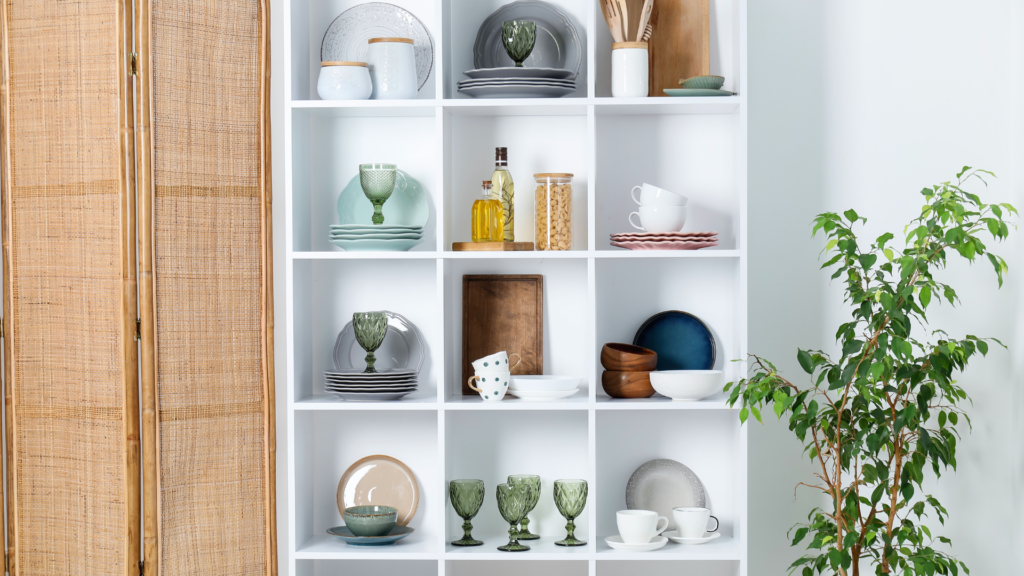
Organizing small spaces requires deliberate use of every inch to maximize functionality without clutter. Using vertical storage, multi-purpose furniture, and clear categorization of items helps create an efficient, tidy environment.
In small areas, it’s crucial to prioritize what you truly need and eliminate excess to avoid overcrowding. Proper planning and smart storage choices can make even the smallest rooms feel spacious and orderly.
Assessing and Planning Your Small Space
Start by understanding the current state of your space. Taking precise measurements and recognizing priority areas will guide effective organization.
Identifying Clutter Hotspots
Look for areas where items frequently accumulate. Common clutter hotspots include entryways, countertops, and corners with unused furniture.
Identify which spaces cause the most frustration or block movement. Use a checklist to note places with unwanted piles, tangled cords, or unused objects.
Focus on hotspots that impact daily routines. Clearing and reorganizing these zones can improve flow and create a sense of order quickly.
Measuring Dimensions Accurately
Measure the length, width, and height of your entire room first. Include permanent fixtures like radiators or built-in shelves in your dimensions.
Use a tape measure and record sizes on paper or an app. Double-check critical areas to avoid errors when choosing storage solutions.
Measure furniture and items you plan to keep. Knowing exact sizes helps in selecting storage that fits without crowding.
Setting Organization Priorities
Determine which items need regular access versus seasonal or rarely used pieces. Prioritize spaces for frequently used belongings.
Group items by function or frequency of use. Creating zones dedicated to work, relaxation, or storage ensures better efficiency.
Decide if you want to maximize space for living or storage. This choice guides the balance of furniture, bins, and open areas.
Maximizing Storage Solutions
Small spaces require smart, intentional use of every square inch. Prioritizing vertical areas, choosing adaptable furniture, and integrating hidden compartments can greatly expand storage without clutter.
Utilizing Vertical Space
Walls and doors often go unused for storage, but they hold significant potential. Installing tall shelves or wall-mounted cabinets can free up floor space while holding books, kitchen items, or decorative pieces.
Hooks and pegboards are practical for hanging tools, bags, or kitchen utensils. These keep items visible and accessible without taking up counter or drawer space. Ceiling-mounted racks for bikes or seasonal items also use space effectively.
Maximize vertical space with stacking bins or tiered organizers in closets and pantries. These allow vertical arrangement of items, making use of height rather than expanding footprint.
Smart Shelving Choices
Open shelves can make a room feel larger while giving easy access to frequently used items. Adjustable shelves let you customize space for various sizes of books, baskets, or decor.
Floating shelves work well in small rooms by providing storage without adding bulk. In kitchens or bathrooms, metal or glass shelves resist moisture, ensuring durability.
Built-in shelving units take advantage of nooks or awkward corners, turning wasted areas into functional storage. Use baskets or bins on shelves to keep smaller items organized and reduce visual clutter.
Selecting Multi-Functional Furniture
Furniture that serves more than one function reduces the need for extra pieces. For example, beds with under-frame drawers offer hidden storage for linens or clothes.
Ottomans or benches with storage inside can hold toys, blankets, or magazines. Fold-away desks or tables save floor space and can be tucked away when not in use.
Look for sofas with built-in storage compartments or modular designs that can be rearranged to fit different needs. This flexibility is key in small spaces where every item must earn its place.
Incorporating Hidden Storage
Hidden storage keeps spaces tidy and enhances the flow by reducing visible clutter. Under-bed storage boxes or drawers are effective for items that don’t need daily access.
Use furniture with concealed compartments, such as coffee tables with lift-up tops or beds with side drawers. Wall niches or recessed shelves provide storage without protruding into the room.
Behind-the-door organizers store shoes, cleaning supplies, or accessories while remaining out of sight. These solutions keep belongings accessible but unobtrusive, maximizing usable space.
Decluttering Strategies That Work
Effective decluttering requires specific approaches to handle belongings, mindset, and consistency. Organizing small spaces benefits most from clear categorization, changing consumption habits, and maintaining regular schedules for removal and reorganization.
Sorting and Categorizing Belongings
Start by dividing all items into categories such as clothes, papers, kitchenware, and sentimental objects. Use boxes or labeled bins to keep like-items together during the process. Sorting helps identify duplicates and items that no longer serve a purpose.
Next, evaluate each category using criteria like last use date or condition. Items unused for over a year or broken should be donated, recycled, or thrown away. This focused approach prevents overwhelm and creates clear visual progress.
Adopting a Minimalist Mindset
Minimalism is about intentional ownership—keeping only items that add value or joy. Before acquiring new things, consider whether they replace or improve what is already owned. Avoid impulse purchases to prevent clutter buildup.
Challenge the idea that more items mean better function or happiness. Prioritize quality over quantity and seek multifunctional items. This mindset reduces acquisition and promotes long-term space clarity.
Regular Declutter Routines
Set a consistent schedule, such as monthly or quarterly, to reassess belongings. Use reminders or calendar alerts to create a habit and accountability. Frequent small sessions prevent clutter accumulation and major organization efforts.
In these sessions, quickly sort new acquisitions and discard anything that no longer feels necessary. Keeping this routine simple ensures manageable upkeep rather than overwhelming projects.
Optimizing Room Layout and Flow
Maximizing space in small rooms requires careful furniture placement, defining separate activity areas, and using lighting to enhance openness. Each element contributes to a sense of efficiency and balance without overcrowding.
Arranging Furniture for Efficiency
Place larger furniture along walls to keep the center open. Avoid blocking pathways, ensuring at least 24 inches of clearance for smooth movement.
Use multifunctional pieces like ottomans with storage or fold-out desks. These reduce clutter and serve dual purposes.
Consider furniture with slender profiles or legs visible underneath. This design creates a feeling of more space by allowing light and sightlines to flow.
Arrange seating to face each other or an anchor point, such as a window or media console. This promotes conversation and functional use of space.
Creating Distinct Zones
Define areas based on activity to avoid a chaotic feel. Use rugs, shelving units, or lighting to mark zones.
For example, separate workspaces from relaxation spots by positioning a desk in a corner with a room divider or bookshelf nearby.
In studio apartments, use furniture placement to distinguish sleeping areas from living areas, like positioning a couch to block the bed from direct view.
Keep traffic routes clear between zones to prevent overcrowding and maintain smooth circulation.
Improving Lighting for Openness
Natural light should be maximized by using sheer curtains or blinds. Position mirrors opposite windows to reflect light deeper into the room.
Layer lighting with ceiling lights, task lamps, and accent lights. This variety creates depth and reduces shadowed corners.
Choose bulbs with a color temperature between 3000K and 4000K for a neutral, inviting glow that won’t make the room feel cramped.
Use wall-mounted fixtures to save floor space while adding brightness at different levels.
Creative Organization Hacks for Small Spaces
Maximizing limited space requires smart choices like clear storage, clever use of often overlooked areas, and adaptable solutions. These methods help keep items accessible without cluttering the room.
Using Clear Containers and Labels
Clear containers allow you to see contents without opening them, saving time and preventing a mess. Use stackable clear bins for seasonal clothes, kitchen supplies, or craft materials to utilize vertical space effectively.
Label each container clearly, using large, easy-to-read fonts. This reduces the need to rummage through boxes and maintains order over time. Labels can be printed or written on adhesive tape and placed on the front or top surfaces for quick identification.
For best results, group similar items in separate containers. For example: one box for holiday decorations, another for office supplies. This method creates a visual system that simplifies locating and returning items.
Taking Advantage of Doors and Corners
Over-the-door organizers add storage without cutting into floor or shelf space. Choose options with pockets or hooks for shoes, cleaning supplies, or pantry goods. These hangers are easy to install and remove, making them ideal for renters.
Corner shelves or triangular racks use dead space effectively. Place them in kitchens for spices, bathrooms for toiletries, or living rooms for books and décor. Corner units come in various sizes and materials—select one suited to your space and style.
Hooks installed on unused wall corners hold bags, hats, or kitchen utensils. Position hooks at different heights to maximize vertical space and keep frequently used items reachable yet out of the way.
Temporary and Flexible Storage Ideas
Foldable storage bins or collapsible baskets adapt to changing needs. Use them to store toys, laundry, or craft supplies, then fold flat when not in use. This flexibility prevents permanent clutter.
Furniture with built-in storage, like ottomans or benches, offers hidden compartments. Use these pieces in entryways, bedrooms, or living rooms to store blankets, shoes, or magazines without extra shelves.
Rolling carts provide mobile storage for kitchens, offices, or bathrooms. They can be moved out of the way when not needed and hold multiple items in an organized manner. Select carts with locking wheels for stability.
Maintaining an Organized Small Space
Consistent practices and timely adjustments are essential to keep a small space neat and functional. Small habits prevent clutter from accumulating, while seasonal reviews ensure belongings stay relevant and storage remains efficient.
Developing Daily Habits
Creating simple, repeatable routines drastically improves organization in a small area. Start each day by spending 5 minutes returning items to their designated spots. This habit minimizes clutter buildup and makes larger cleaning sessions easier.
Use a “one-in, one-out” rule: when bringing in new items, remove something old to avoid overcrowding. Prioritize putting things away immediately after use, especially in high-traffic zones like kitchens and entryways.
To maintain surfaces free, designate specific areas for keys, mail, and other daily essentials. Clear containers or baskets help keep these items contained and easy to locate.
Seasonal Organization Updates
Every few months, reassess your storage needs and possessions. Seasonal rotation, such as swapping winter clothes for summer gear, frees valuable space and keeps wardrobes manageable.
Create a checklist for seasonal tasks:
- Donate or sell unused items.
- Clean storage bins.
- Rearrange furniture or storage units if necessary to improve flow.
Label storage containers clearly to save time during these transitions. This systematic approach prevents overlooked clutter and maintains efficient use of limited space year-round.
Personalizing and Decorating Small Spaces
Making small spaces feel unique requires carefully chosen decor that reflects personality while maintaining openness. Combining style with practicality ensures the area looks intentional without becoming cluttered or cramped.
Showcasing Style with Limited Space
Use vertical surfaces to display art or photos. Narrow floating shelves or pegboards add personality without eating floor space. Opt for a few meaningful pieces instead of overcrowding walls.
Textiles like patterned rugs and throw pillows bring color and texture, helping define distinct areas in open rooms. Choose lighter fabrics to avoid visual heaviness.
Mirrors increase light and create the illusion of depth. Place them opposite windows or light sources for maximum effect.
Keep decoration scale-appropriate; small or mid-sized items work better than large, bulky pieces, which can overwhelm the space visually.
Balancing Decor and Function
Select furniture that doubles as storage, such as ottomans with hidden compartments or beds with drawers underneath. This reduces clutter and keeps essential items close.
Limit decorative objects to a few key highlights that don’t interfere with movement or surface use. Clear surfaces add to the sense of airiness.
Use multi-functional lighting like adjustable wall sconces or clip lamps to save space on nightstands or desks.
Maintain consistent color themes between decor and furnishings to create cohesion. Contrasting colors can be used sparingly to attract attention without disrupting flow.