
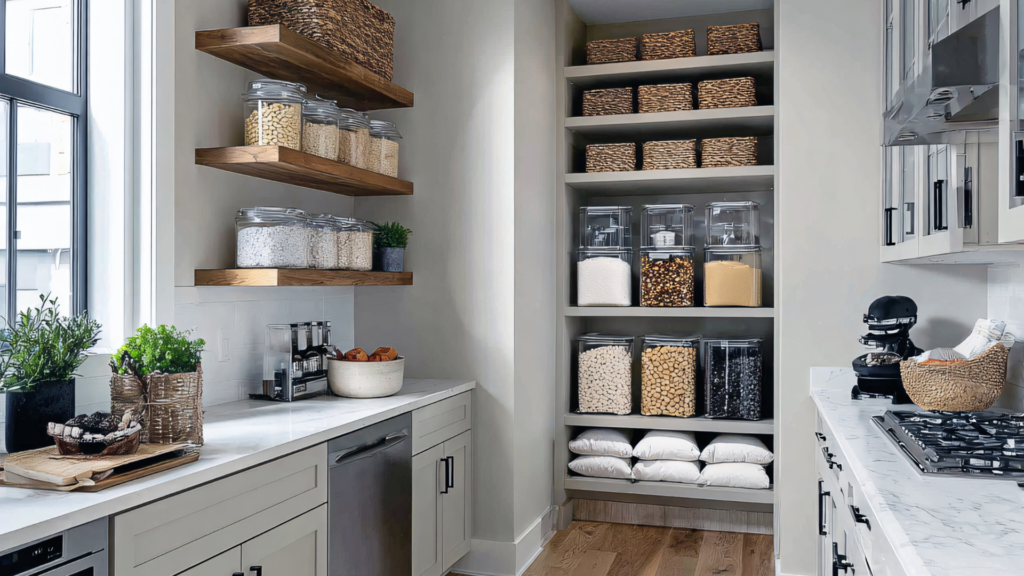
Organizing kitchen cabinets starts with categorizing items by frequency of use and type. Group similar items such as pots, pans, and spices together, placing everyday essentials within easy reach. Maximize space by using shelf organizers, clear containers, and drawer dividers to keep everything visible and accessible.
Assessing your storage needs and removing unused items helps create a more efficient layout. Labeling shelves and containers can maintain order over time and simplify meal preparation.
A well-organized cabinet not only saves time but also reduces kitchen stress. With the right approach, any kitchen can become functional and clutter-free.
Assessing Your Kitchen Cabinet Space
Analyzing the types and sizes of cabinets, measuring your storage areas precisely, and reviewing your current organization help create an effective plan. These steps provide a clear picture of what you have and what changes can improve cabinet efficiency.
Identifying Cabinet Types and Sizes
Begin by categorizing your cabinets into common types: base, wall, and tall units. Base cabinets support the countertop and usually hold heavy items like pots. Wall cabinets are mounted above counters, ideal for lighter items such as cups and plates. Tall cabinets often serve as a pantry or broom closet.
Note the depth and height of each cabinet type. Base cabinets typically measure 24 inches deep and 34.5 inches high, while wall cabinets vary from 12 to 24 inches deep with heights of 30 to 42 inches. Knowing these dimensions helps determine what can fit inside and guides placement.
Evaluate built-in features like pull-out shelves, lazy Susans, or dividers since these affect usable space. List cabinet features and sizes in a simple table for easy reference.
Measuring Storage Areas
Use a tape measure to record the width, height, and depth of each cabinet opening. Measure inside the cabinet, not just the frame, to capture the actual usable space. Check shelf heights and whether the shelves can be adjusted.
Measure door swing space and space around cabinets for clearance. Note any obstacles like plumbing or appliances that limit storage options.
Document measurements clearly. For example:
| Cabinet Location | Width (in) | Height (in) | Depth (in) | Adjustable Shelves (Y/N) |
| Base – Left | 30 | 34.5 | 24 | Yes |
| Wall – Center | 36 | 42 | 12 | No |
This information supports well-informed decisions about organizational solutions.
Evaluating Existing Cabinet Organization
Open each cabinet and assess how items are currently arranged. Identify cluttered areas and unused spaces. Separate items by category and frequency of use to understand whether the layout is practical.
Check if shelves are overcrowded or if items are stacked unsafely. Notice if some cabinets have redundant items or mismatched storage tools.
Look for storage inefficiencies like deep base cabinets packed with rarely used items at the back. Making note of these issues guides rearranging and adds value when selecting accessories like pull-out trays or baskets to optimize space.
Decluttering Kitchen Cabinets
Begin by identifying what you have and grouping similar items together. Make clear decisions about what to retain, donate, or dispose of. Finally, clean the cabinets thoroughly before reorganizing.
Sorting and Categorizing Items
Start by removing everything from your cabinets. Lay items out where you can see them clearly to avoid overlooking anything.
Group like items such as baking supplies, spices, canned goods, and cookware. Use containers or trays to keep smaller items together during sorting. This step helps you understand the volume of each category and prepares you for efficient storage.
Visual organization reduces clutter and improves accessibility. It also highlights duplicates or expired products.
Deciding What to Keep, Donate, or Discard
Check expiration dates on food and throw away any that are expired or spoiled. Examine kitchen tools and appliances to identify broken or unused items.
Keep only those items you use regularly or have a specific purpose for. Set aside usable items that you no longer need for donation.
Discard anything damaged beyond repair or that has been unused for years. Being selective helps maximize space and functionality.
Cleaning Cabinet Interiors
Once empty, wipe down all cabinet surfaces with a mild cleaner or vinegar solution. Pay attention to corners and shelves where crumbs and dust collect.
Dry thoroughly to prevent moisture damage. Consider lining shelves with shelf liners to protect against stains and make future cleaning easier.
Clean cabinets improve both hygiene and the longevity of your storage space.
Planning Cabinet Organization
Effective kitchen cabinet organization starts with a clear plan. Assigning specific areas for tasks, understanding how often items are used, and ensuring easy access are crucial to creating a functional space.
Designating Zones for Common Tasks
Divide cabinets based on kitchen activities such as cooking, baking, and cleaning. Store pots, pans, and cooking utensils near the stove for convenience. Baking supplies should be grouped near the preparation area.
Keep cleaning supplies close to the sink or dishwasher. This zoned layout minimizes movement and saves time during meal prep and cleanup. Use labels or color-coded bins to reinforce these zones visually.
Determining Frequency of Use
Place frequently used items in easily reachable spots. Everyday dishes, cutting boards, and spices should be stored at eye level or in drawers close to work areas.
Infrequent items like seasonal bakeware or specialty gadgets belong in higher or lower cabinets. Rotate items based on seasonal needs to keep the most relevant tools within easy reach.
Prioritizing Accessibility
Ensure heavy pots and appliances are stored in lower cabinets to prevent accidents. Lightweight items like plates and glasses are better suited for middle shelves.
Use pull-out shelves or organizers to improve visibility and access, especially in deep cabinets. Group similar items together to eliminate unnecessary searching and speed up kitchen tasks.
Selecting Organization Tools and Accessories
Choosing the right organization tools depends on the size, shape, and contents of your kitchen cabinets. Tools should maximize space, improve access, and keep items visible and stable.
Choosing Shelf Organizers
Shelf organizers help create extra layers, making use of vertical space. Adjustable risers can separate plates, cups, or canned goods efficiently.
Stackable shelves work best for small items and prevent stacking too high, which can cause clutter. Lazy Susans are ideal for corner cabinets, providing easy access without digging through layers.
When selecting materials, metal and sturdy plastic resist moisture and are easy to clean. Measure your cabinet’s height and depth before purchasing to ensure the organizer fits properly.
Utilizing Pull-Out Drawers and Baskets
Pull-out drawers turn deep cabinets into accessible storage without bending or reaching. They are useful for pots, pans, or pantry items.
Wire baskets work well for vegetables or snacks, keeping them visible and ventilated. Soft-close mechanisms prevent slamming and extend hardware life.
Installation may require professional help or a careful DIY approach. Check weight limits and slide extension lengths to make sure drawers can hold your intended items and fully extend for access.
Implementing Dividers and Racks
Dividers separate items like baking sheets, cutting boards, and lids into upright storage. This prevents stacking and damage from shifting.
Plate racks and stemware holders create dedicated spaces for delicate glassware and dishes. They keep fragile items secure while saving space.
Use adjustable dividers to customize your space as needs change. Look for options compatible with your cabinet dimensions to optimize organization without overcrowding.
Arranging Kitchen Essentials
Maximizing space and ease of access are key to an efficient kitchen. Grouping similar items logically helps maintain order and reduces clutter. Prioritize regular use items for easy reach and store less-used pieces higher or deeper inside the cabinets.
Organizing Pots and Pans
Store pots and pans near the stove to streamline cooking. Use cabinet pull-out racks or deep drawers to keep lids and pans visible and easy to grab. Nest pots by size to save space, but separate lids with a dedicated rack or organizer to prevent stacking mess.
Heavy cookware should be on lower shelves to avoid lifting injuries. Consider vertical storage racks for cutting boards or baking sheets alongside pots. Keeping frequently used items accessible improves workflow.
Storing Dishes and Glassware
Place everyday dishes on the middle shelves at eye level for quick access. Stack plates vertically or horizontally with padding to avoid scratches. Arrange glassware upright to prevent damage and keep it close to the dishwasher for faster unloading.
Delicate or seasonal items can be stored higher or in closed cabinets to reduce dust. Use shelf risers to double vertical space. Group glasses by type—wine glasses separate from everyday tumblers—to keep the cabinet organized.
Managing Food Storage Containers
Match containers with their lids before storing to avoid losing pieces. Store containers inside one another by size to minimize space use. Organize lids vertically in a dedicated bin or organizer near the containers.
Place frequently used containers within easy reach, such as at the front of shelves or in shallow drawers. Avoid mixing containers with different functions to maintain order. Label containers when possible to speed up kitchen tasks.
Maximizing Vertical and Hidden Spaces
Effective use of vertical and hidden spaces can significantly expand the storage capacity of kitchen cabinets. Installing additional storage solutions and utilizing areas often overlooked makes organization easier and keeps items more accessible.
Using Cabinet Doors for Extra Storage
Cabinet doors offer prime real estate for small and frequently used items. Installing racks or hooks on the inside of doors can hold spices, measuring spoons, cleaning supplies, or lids.
Magnetic strips or slim shelves mounted on doors keep items visible and within reach without occupying shelf space. This method uses otherwise wasted space and reduces clutter on the main shelves.
Focus on sturdy attachments and ensure the added storage doesn’t interfere with door movement. Adjustable hooks and racks allow customization based on changing storage needs.
Adding Stackable Solutions
Stackable containers and shelves multiply the vertical space inside cabinets. These can be clear plastic bins, tiered racks, or adjustable shelving inserts.
They help separate different food items, cookware, or accessories, maximizing height without stacking items unsafely. Use stackable solutions to create layers that are easy to access.
Label containers or shelves to maintain order and avoid confusion. Prioritize durable materials that can support weight and withstand kitchen conditions.
Utilizing Under-Shelf Baskets
Under-shelf baskets hang from existing cabinet shelves, creating extra compartments below. These are ideal for storing flat items like cutting boards, trays, or napkins.
They slide onto shelves without tools and increase usable space without requiring new furniture. Choose baskets made from metal or plastic coated to resist moisture.
Measure cabinet width carefully to select baskets that fit snugly and avoid sagging. Using multiple baskets can help organize items by category, improving overall cabinet tidiness.
Organizing Pantry Items in Cabinets
Effective pantry organization relies on grouping similar items, clear labeling, and keeping food visible to prevent waste. These strategies help maintain order and make meal preparation easier by quickly locating ingredients.
Grouping Canned Goods and Dry Ingredients
Separate canned goods from dry ingredients by designating specific shelves or cabinet sections for each. Stack cans in rows with labels facing outward, arranging them by type, such as vegetables, beans, or soups. Use tiered organizers or can racks to maximize space and increase accessibility.
Dry ingredients like flour, sugar, and pasta should be stored in airtight containers to preserve freshness. Group items by category—baking supplies, grains, snacks—to reduce clutter. Containers with uniform shapes improve shelf stability and storage efficiency.
Labeling Containers for Easy Identification
Use clear, durable labels on all food containers to avoid confusion. Include the item name and expiration date in a readable font. Waterproof labels or laminated tags resist smudging in humid kitchen environments.
Label placement is critical. Stick labels on the front or top of containers for quick recognition. Color-coding by category can add another layer of organization, such as red for baking ingredients and green for grains. Consistent labeling simplifies inventory checks and meal planning.
Maintaining Visibility of Food Items
Arrange pantry items so that frequently used foods remain at eye level or near the front. Use transparent containers or jars for dry goods to instantly identify contents and check quantities. Clear storage reduces the risk of buying duplicates or missing expired items.
For canned goods, consider pull-out baskets or lazy Susans that allow easy reach to items in the back. Avoid overcrowding shelves to ensure everything is visible at a glance. Rotating stock by placing newer items behind older ones helps maintain freshness.
Maintaining an Organized Kitchen Cabinet System
Keeping kitchen cabinets organized requires consistent effort, including regular inspections, evaluating changing needs, and updating storage methods. Staying attentive to how space is used helps prevent clutter and ensures efficiency.
Implementing Regular Cabinet Checks
Schedule a monthly or quarterly inspection of your cabinets. During these checks, look for expired items, unused appliances, or disorganized shelves. Remove anything unnecessary to free up space.
Use a checklist to track tasks like wiping shelves, realigning containers, and ensuring labels are visible. This practice keeps the system functional and avoids the buildup of clutter. Consistent monitoring allows you to catch issues before they become overwhelming.
Reassessing Storage Needs
Your kitchen habits and inventory change over time, so reevaluate your storage needs every few months. Identify items you rarely use and consider relocating or donating them. Shift frequently used items to easily accessible spots.
Take inventory of your cookware and ingredients to avoid duplicates and optimize space. Use storage bins or adjustable shelves to adapt to changing item sizes. Regular reassessment helps maintain order and tailor your setup to your current lifestyle.
Refreshing Organization Solutions
Introduce new organizing tools if existing ones no longer meet your needs. Consider drawer dividers, pull-out trays, or clear bins to improve visibility and access.
Replace worn or ineffective containers and update labels for clarity. Experiment with different layouts or storage methods based on what you learn from regular checks. Keeping organizational solutions dynamic prevents stagnation and supports continued use.
Common Mistakes to Avoid When Organizing Kitchen Cabinets
One common mistake is overcrowding cabinets. Stuffing too many items into one space makes it hard to find what you need and increases clutter.
Avoid placing frequently used items in hard-to-reach spots. This slows down your cooking and causes frustration. Keep essentials like spices and utensils within easy reach.
Ignoring zones is another frequent error. Mixing baking supplies with cleaning products or pots with pantry items disrupts workflow. Group items by function to make your kitchen more efficient.
Not using vertical space wastes storage potential. Installing shelf risers or stacking containers maximizes space and keeps items visible.
Using mismatched or non-transparent containers can cause confusion. Clear, labeled containers help easily identify contents and maintain order.
| Mistake | Why Avoid It | Suggested Fix |
| Overcrowding | Makes access difficult and messy | Declutter and store only essentials |
| Poor item placement | Slows workflow and wastes time | Use zones and keep frequent items accessible |
| Ignoring vertical space | Wastes potential storage | Use shelf risers or stack containers |
| Non-transparent storage | Causes confusion and disorganization | Use clear, labeled containers |