
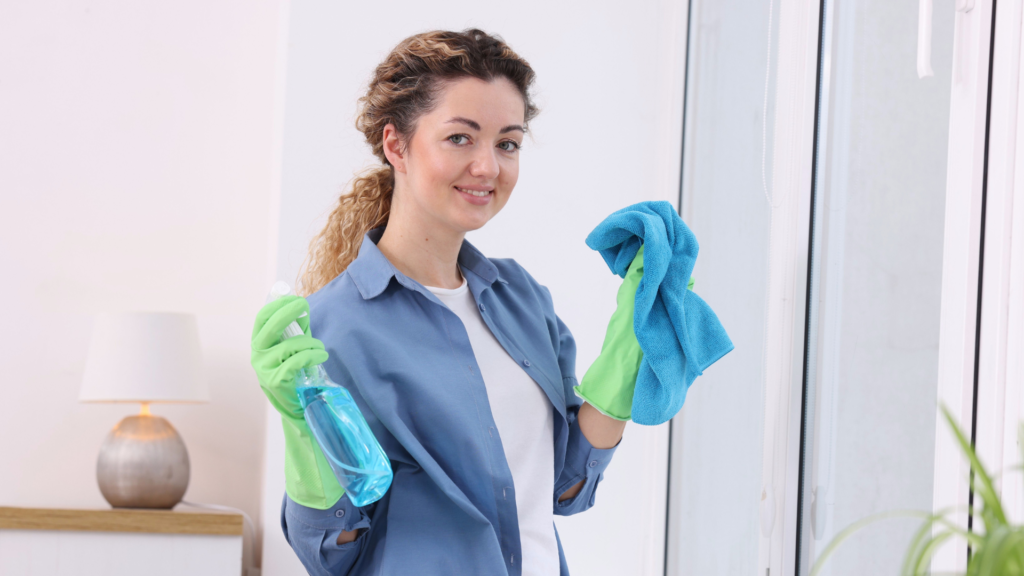
Starting a home cleaning routine can feel overwhelming, but it doesn’t have to be complicated. A simple, consistent schedule focusing on key areas each day makes maintaining a clean home manageable for beginners.
Breaking tasks into small, regular actions prevents buildup and reduces stress. Understanding which chores to prioritize helps save time and effort.
This post will guide you through easy steps to create an effective cleaning routine that fits your lifestyle without adding extra pressure.
Essential Cleaning Supplies for Beginners
Having the right tools and products simplifies cleaning tasks and improves efficiency. Selecting safe, effective items suited to your needs helps maintain a clean, healthy home.
Must-Have Tools for Every Household
Start with basic tools such as a broom, dustpan, and mop to handle floors efficiently. A vacuum cleaner is essential for carpets and upholstery, especially if you have pets.
Keep microfiber cloths and sponges handy for wiping surfaces without scratching. A sturdy bucket and scrub brushes will assist with tougher grime.
Consider a spray bottle for homemade solutions and disposable gloves to protect your skin. Investing in multi-purpose tools reduces clutter and simplifies storage.
Choosing the Right Cleaning Products
Focus on multi-surface cleaners that work on glass, wood, and tiles to avoid buying many specialty products. Choose pH-neutral cleaners for delicate surfaces like wood or natural stone to prevent damage.
Disinfectants with proven effectiveness against germs are crucial, especially for kitchens and bathrooms. Read labels carefully and avoid products with harsh chemicals like ammonia or bleach if sensitivities are a concern.
Natural alternatives such as vinegar, baking soda, and lemon juice offer effective cleaning with fewer toxic fumes. Always test new products on small areas first.
Safety Tips for Cleaning Supplies
Store cleaning products in a cool, dry area away from children and pets. Use gloves and ensure proper ventilation when applying strong cleaners to avoid skin irritation and respiratory issues.
Never mix cleaning chemicals, particularly bleach and ammonia, as this creates toxic gases. Follow manufacturer instructions for dilution and application to ensure safety and effectiveness.
Label homemade cleaning mixtures clearly to prevent accidental misuse. Dispose of expired or unused products according to local regulations to protect the environment.
Setting Up a Realistic Cleaning Schedule
Consistency is key when it comes to keeping your home clean without feeling overwhelmed. Breaking tasks into manageable daily, weekly, and monthly routines helps maintain order and prevents buildup.
Daily Cleaning Tasks
Focus on small but frequent actions that prevent mess from accumulating. Common daily tasks include wiping down kitchen counters, washing dishes, and tidying clutter from living areas.
Make your bed each morning and clean bathroom sinks and mirrors. These habits keep your space looking orderly without needing a lot of time.
Quick vacuuming or sweeping in high-traffic areas may be necessary, especially if you have pets or children. Aim for 15–30 minutes daily to maintain a tidy environment.
Weekly Cleaning Checklist
A weekly routine should address deeper cleaning that daily tasks don’t cover. This includes vacuuming all carpets, mopping floors, and dusting surfaces like shelves and blinds.
Bathrooms need more thorough cleaning weekly — scrub toilets, showers, and tubs. Change bed linens and wash towels to stay fresh.
Meal preparation areas require sanitizing, including wiping down refrigerator handles and cabinet fronts. Assign specific days for different rooms to balance workload.
Monthly Deep Clean Priorities
Monthly cleaning tackles areas that get overlooked. This involves scrubbing baseboards, cleaning under furniture, and dusting ceiling fans and air vents.
Appliances like ovens and refrigerators may need a detailed clean once a month. Check for expiration dates in pantry items during this time.
Focus also on decluttering storage spaces, such as closets or drawers, to keep your home organized long-term. Using a checklist can guide these less frequent tasks.
Room-by-Room Home Cleaning Guide
Maintaining a clean home requires focused efforts in key areas where dirt and clutter accumulate most. Targeting surfaces, organizing spaces, and using the right cleaning products help ensure efficiency and hygiene.
Kitchen Cleaning Fundamentals
Start by clearing countertops and washing dishes to create a clean workspace. Wipe down surfaces with a disinfectant, paying attention to areas around the sink and stove where grease builds up.
Clean appliances regularly—empty and wipe inside the microwave, fridge, and oven. Don’t forget to sweep and mop the floor, especially near cabinets and under appliances where crumbs collect.
Use a garbage disposal cleaner if applicable, and replace sponges often to avoid bacterial growth. For quick daily upkeep, a damp cloth on counters and wiping spills right away prevents messes from hardening.
Bathroom Cleaning Made Easy
Focus on high-touch areas like faucets, handles, and toilet flush buttons. Use a disinfectant spray or wipes on these spots to reduce germs effectively.
Scrub the toilet bowl with toilet cleaner and a brush, including under the rim. Clean the sink and shower with mildew-resistant products to prevent buildup and stains.
Replace or wash shower curtains and mats regularly. Ventilate the bathroom after cleaning to reduce moisture and mold risks. Keeping cleaning supplies in the bathroom encourages quick spot cleaning.
Living Room and Bedroom Care
Dust all surfaces, including furniture, shelves, and electronics, to reduce allergens. Vacuum floors and upholstered furniture, paying extra attention to corners and under cushions.
Declutter frequently by organizing items into storage bins or drawers. Change bed linens weekly for freshness and vacuum mattresses to remove dust mites.
Wipe windows and mirrors with glass cleaner for a clear appearance. Air out rooms daily to maintain a fresh atmosphere with minimal odor buildup.
Quick Cleaning Routines for Busy Beginners
Managing cleaning in small, focused bursts helps maintain order without eating into your schedule. Prioritizing high-use spots and forming simple daily habits saves time and effort in the long run.
5-Minute Daily Habits
Spend five minutes each day on tasks like wiping kitchen counters, clearing clutter from dining tables, and doing a quick sweep or vacuum in busy areas. These habits prevent dirt buildup and maintain tidiness without requiring a large time commitment.
Set a timer to stay on track and focus on one room per day if needed. Small tasks such as wiping mirrors, putting laundry away, or emptying trash bins can easily fit into this short window.
Consistency is key. Daily maintenance reduces the need for longer, more exhausting cleaning sessions later.
Speed Cleaning Tips for High-Traffic Areas
Focus on the entryway, kitchen, and living room, where messes accumulate quickly. Use a checklist targeting these areas to speed up cleaning. Prioritize visible surfaces like tables, floors, and frequently touched objects.
Keep cleaning supplies handy in these rooms to avoid delays. Use multi-surface sprays and microfiber cloths to clean quickly and effectively.
A few strategic moves save time:
- Pick up misplaced items immediately
- Wipe down door handles and light switches
- Spot-clean floors using a cordless vacuum or mop
This routine helps maintain a clean and welcoming space even on busy days.
Decluttering Before You Clean
Clearing clutter first creates a more effective cleaning environment. It reduces obstacles and makes surfaces accessible for thorough wiping, sweeping, or vacuuming.
Simple Decluttering Strategies
Start by setting a timer for 10-15 minutes to avoid overwhelm. Focus on one area at a time, such as a tabletop or floor section. Use three boxes or bags labeled Keep, Donate, and Trash to sort items quickly.
Remove items that don’t belong in the room; put them in a basket to return later. Deal with obvious trash immediately to clear space. Prioritize flat surfaces because they collect the most clutter and impact the room’s visual neatness.
Small, consistent efforts prevent clutter buildup. Clear horizontal surfaces daily to maintain order and reduce cleaning preparation time.
Organizing Essentials for Beginners
Use clear containers or baskets to group similar items. Label each container to make retrieval and returning items easier. For example, group remote controls, chargers, and manuals in one box near the living area.
Invest in vertical storage like shelves or hooks to maximize space. Keep frequently used items within reach and store seasonal or rarely used items elsewhere.
Create zones for activities (reading, crafting, work) with dedicated spots for related supplies. This reduces mix-ups and loss of items, streamlining both decluttering and cleaning processes.
Staying Motivated and Consistent
Maintaining a cleaning routine requires practical strategies to stay on track and handle setbacks effectively. Focusing on measurable achievements and preparing for common obstacles can help keep momentum steady.
Tracking Progress and Setting Goals
Start by setting specific, achievable cleaning goals. For example, aim to vacuum the living room twice a week or clean the bathroom every Saturday. Break larger tasks into smaller steps, like dusting shelves first, then wiping surfaces.
Use a calendar or cleaning app to mark completed tasks. Visual progress encourages consistency and highlights accomplishments. A simple checklist can work just as well.
Reward yourself after reaching milestones. It might be a relaxing break or a favorite treat, reinforcing positive behavior. Tracking also helps identify patterns, such as which tasks are frequently missed, so adjustments can be made.
Overcoming Common Cleaning Challenges
Distractions and fatigue often interfere with cleaning routines. To counter this, set a timer for short intervals, such as 15 minutes, to focus on one area. Pause when the timer stops, then decide if more time is needed.
Avoid feeling overwhelmed by prioritizing tasks based on importance and frequency. High-traffic areas may need daily attention, while less-used rooms can be cleaned weekly.
If motivation dips, revisit your reasons for cleaning, like creating a comfortable living space or reducing allergens. Keeping cleaning supplies accessible and organized also minimizes excuses and saves time.
Eco-Friendly Home Cleaning Habits
Adopting eco-friendly cleaning habits helps reduce environmental impact and promote a healthier home. This involves choosing safer products and minimizing waste in daily routines.
Sustainable Product Alternatives
Opt for biodegradable and non-toxic cleaning supplies made from natural ingredients. Examples include vinegar, baking soda, lemon juice, and castile soap, which effectively clean without harmful chemicals.
Look for certifications like EPA Safer Choice or Green Seal to ensure products meet environmental standards. Refillable containers and concentrated formulas also reduce plastic use and packaging waste.
Avoid single-use wipes and harsh chemical cleaners. Instead, use reusable microfiber cloths and homemade solutions to cut down on toxic residues and plastic disposal.
Reducing Waste While Cleaning
Use reusable cleaning tools such as washable mop pads, sponges, and rags instead of disposable ones. This cuts down on landfill contributions.
Recycle or compost packaging whenever possible. Sort waste carefully by material type to maximize recycling efficiency.
Adjust your cleaning quantities to what is necessary; avoid overusing products to reduce both waste and potential harm to surfaces and indoor air quality.
Keeping a controlled stock of supplies prevents excess purchases that might expire or be discarded. Regularly check and use products before they expire.